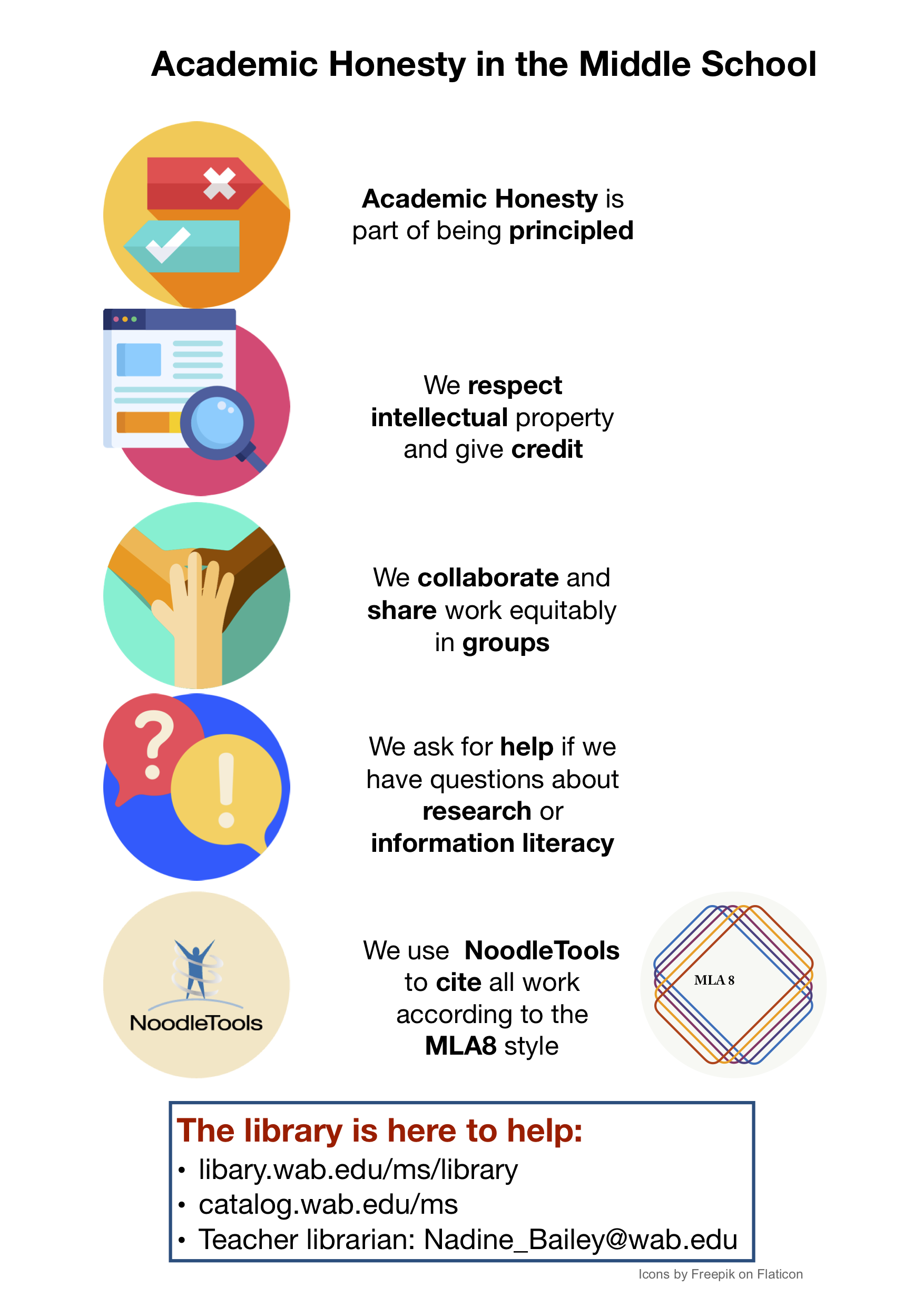
All aboard? information literacy – citations

At times people will write to me and ask about things in library-land where they assume that somehow I or the (highly regarded) school I’m at have managed to “get it right” and they, poor normal human shouldn’t be struggling as there is a magic formula or secret sauce that could help. Alas we’re all human and all schools are the same in having struggles, perhaps the only difference being in what they struggle with and how good their marketing and communications departments are in convincing that it is otherwise.

A couple of weeks ago someone asked me about implementing NoodleTools as a citation tool in a school and how to do it. I promised a blog article as I said it wasn’t a simple thing. Ironically just yesterday I had to sincerely offer my apologies to a colleague as I had put zeal in front of our relationship around just that topic. So this is as much a “how to” as a “proceed with caution.

In the information literacy landscape, citations are a sub-topic of academic integrity. Any student who has passed through my hands in the last in the last 10 years will tell you I use the “brushing teeth” analogy with citations. As in – “you don’t just brush your teeth before you go to the dentist” you need to brush them regularly / daily. And I tell them about when I was grading Masters’ students at university how many had an absolute crisis just before submission as they didn’t have a works cited list. Heck I’ve known adult PhD students in a similar situation (and even out of perhaps misplaced righteousness refused to be paid to do it for them). It’s a nice analogy – especially when you add the idea of decayed teeth! It’s also a nice analogy because citations are what Herzberg (1959) would refer to as “hygiene factors” – ie. related to ‘the need to avoid unpleasantness’.

Now to take this a step further – parents and caregivers generally start helping very young children brush their teeth before they even have teeth, with special rubber gadgets they put on their fingers, and it’s even suggested to start early visits to the dentist to acclimatise kids to the idea of having dental checkups. Bear with me. Citations are not just a sub-topic of academic integrity, they’re part of the threshold concept in information literacy of “scholarly discourse”. Now in many areas of life, we learn how to “do” before we learn or understand “why” we do. When my kids were in Chinese Bilingual school aged 6-8 years, they learnt the San Zi Jing (三字經) and some of the three hundred Tang dynasty poems by heart without any comprehension of what they really meant – occasionally to my horror when I saw the translations of filial and patriarchal piety. Not being the kind of person or parent who ever takes things for granted I spent a lot of time trying to understand the mechanisms and reasons for this “learning by heart” and the best I could conclude was just like the English “Grammar” stage of the “Trivium” the ideas is that memorisation is best done at an early age so that logic and rhetoric (analysis and synthesis) can happen later.

So to bring this back to citations – the idea is to initially use a citation tool with pre-selected types and qualities of resources, and the students learn the steps of citing correctly and at a certain point this is expanded to understand what how these resources were selected, what scholarly discourse means along with the other threshold concepts.

Our school has chosen NoodleTools as the citation tool – you can see a set of slides I made on “5 reasons why to use it) including the ability to create inboxes for teachers to follow the process and it’s pedagogical merits of guiding students to make sure they have all the bits and pieces of a good citation. Now do all teachers and students love using it. No. Definitely not. There are a lot of things in education that are absolutely no fun initially but still somehow need to occur. The “hygiene” stuff I’d posit we want to create friction around initially so that they avoid the “unpleasantness” later. Under that heading I’d place things like times-tables, handwriting, spelling, vocabulary, learning facts etc. Now a funny thing about these things is that students will always grumble and grouse about them, but when they master the skills they are so disproportionally happy and proud of it. I notice that in the corridor talk. When in G6 they first encounter citations and NoodleTools they’re all jokey and will call me “Ms NoodleTools” in the hallway. After a couple of times, if teachers consistently use it in their research projects and I’m in the lessons refining and reminding – or rather getting them to do that – they’ll stop me – particularly the boys – and say “Ms, I did it, right? I could tell everyone in the class how to put a book/video/ website into NoodleTools!”

Why is NoodleTools suboptimal so much for so many people? Well, it’s what I’d call an MS-DOS tool. The UX (user experience) is just not what our typical Generation Alpha students or Millennial teachers are used to (or deserve). 12 point font and having to find the right box to click and bits hidden behind drop down menus are not the rizz. PalmPilot back in the 90’s already knew that users didn’t want to have to click several times in order to get to where they wanted to go.

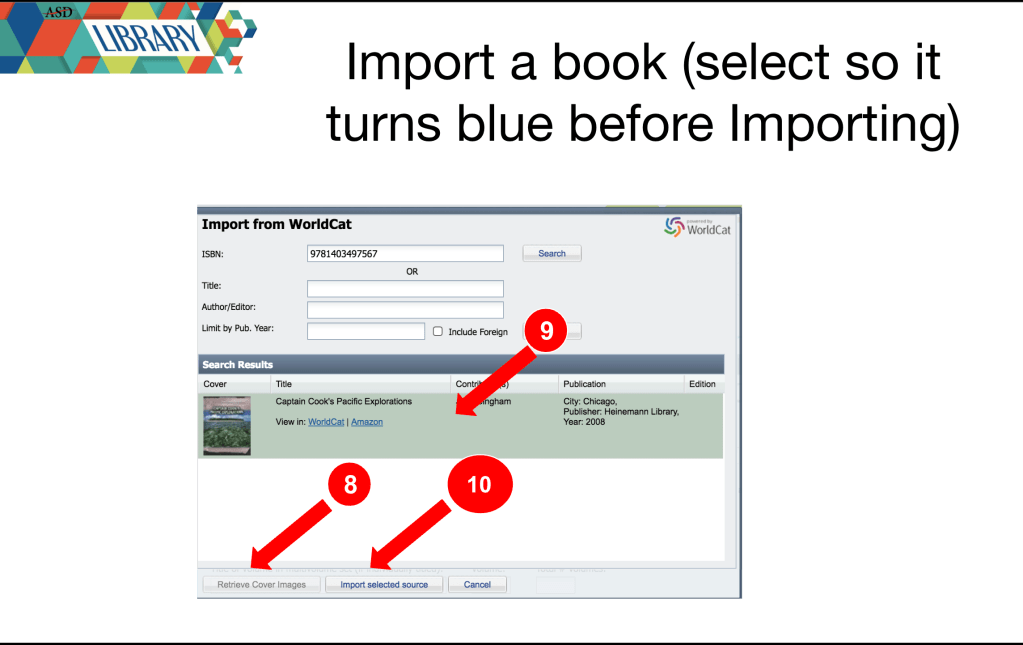
Compare MyBib.com interface and adding a book below – two steps, both visible:
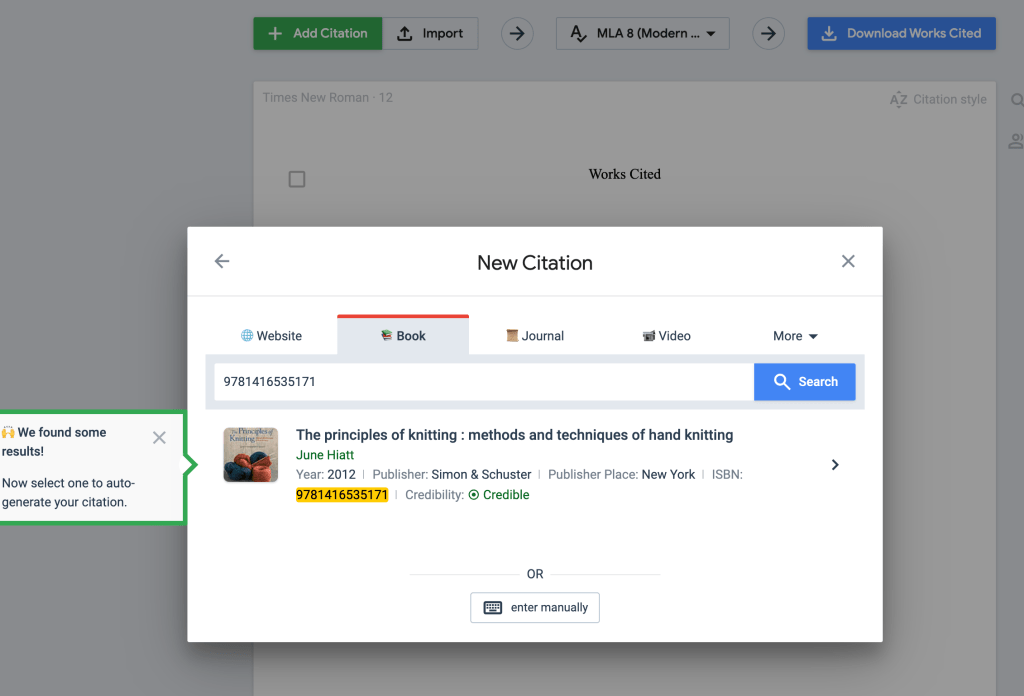
to NoodleTools – twelve steps in 7 consecutive screens (is it any wonder my kids are so proud of remembering it all and getting it right!) – see more here:

Of course there are a myriad of other citation tools, but these are the two more common ones in the secondary school landscape that are not predatory / try to sell you an essay along with your citations or steal your data / information?

So why not go for my.bib – and rather choose Noodletools IMHO? Well:

  • it’s not great with identify the Author and Date of sources – all these tools scrape the metadata from the sites you’re using and lazy webmasters and programmers won’t necessarily bother putting these in, or won’t identify them correctly with the correct tags.
  • It doesn’t play nice with databases, you need to export the citation in RIS or BibTex format and import it into your MyBib bibliography – where as NoodleTools have managed to integrate themselves into most of the common databases we use, including Credo, Gale, Infobase, JSTOR etc.
  • It doesn’t have the same level of pedagogical step-by-step guidance and error identification (for example capitalisation which is very easy to get wrong)
  • Teachers can’t follow the research process through a shared “inbox” (and the great thing is in trans-disciplinary assignments the same project can be shared with two different teachers with different class groupings.
  • It doesn’t have a notecard / outline function
  • It doesn’t have the collaborative features of NoodleTools where you can also see exactly which student contributed which citations / notecards to a project – a great feature when it comes to the “not fair” arguments on work division
  • It doesn’t have the “history” feature which allows teachers to see the unfolding of the research and the instances of “immaculate conception” of perfect research papers and notecards
  • Although my.bib is free, NoodleTools is only a couple of hundred dollars for nearly 1,000 students i.e incredibly cheap for the extra features
  • You actually WANT to create friction in the research process – a source needs to be relevant and credible to merit inclusion in the research and if there are speed-bumps in putting the source in students may be less inclined to go down the WWW (world wild web) route of random googling and more inclined to use our databases and sources in our Libguides.

So how to implement / “sell” the system
Basically it’s a push-me pull-you gig. It helps to have it as part of your information literacy scope and sequence as “the only tool recognised”. If we are student centred it is important that adults set aside some of their preferences and independence so that one system is used and students can become competent and not be confused.

Some of it is persuading departments to adopt it for the above-mentioned reasons, despite it’s ugly UX and multi-step process. Offering to set up inboxes for teachers for research projects helps. As does creating project templates with outlines and tailored notecard headings.

Students need to be taught step by step how to use the tool, and it has to be re-iterated for each assignment and the librarian needs to be prepared to be on hand to help out as there is a very long tail of students becoming competent in its use. And simultaneous to the “doing” skill, the work in the “understanding” has to begin. Why does it matter if something has n.d (no date) or n.a (no author)? How does that correlate to credibility and reliability?

So there was the very long answer to what may have seemed like a simple question. It’s great for Grade 5 to Grade 12. And what do I use personally? Well, if I’m doing an academic paper or helping an adult (or Extended Essay student) sort out their research life I still go for Zotero. I pay for the extra storage even now I’m not a student anymore and I love the integration of in-text citations and Bibliography/Works Cited in Word and GoogleDocs.

Nonfiction in the middle

Mediating between curiosity and research, curriculum and pleasure By Nadine Bailey and Katie Day

In the summer of 2024 we asked International School Middle School librarians to tell us the story of nonfiction in their libraries. We wanted to know their ambitions, frustrations, organisation and display as well as their collection development and usage plans. All books recommended in this article can be found tagged in our LibraryThing Shelf (https://www.librarything.com/catalog/middleNF). 

Curriculum and Research

Educators and librarians who have been around for a while know and recognise the pendulum of ideas and practice that upend things first in one direction and then another. Nonfiction is one of those things where some of the momentum is now moving back to the practice of reading subject matter in physical form. Many librarians responded that in a post-covid learning environment both they and the teachers they work with were moving back to giving information in print form – mainly books where they were available, but also printing out articles from online sites such as Britannica and Newsela in order to encourage deep reading, avoid distractions and teach nonfiction reading skills that could be later transferred to online reading. 

Schools following the IBO (International Baccalaureate Organisation) programmes (PYP/MYP) had particular interest in “transdisciplinary” and cross curricula books that would offer broader perspectives on curriculum or unit themes. Many librarians were investing in books that would support inquiry into aspects of the United Nations SDGs (Sustainable Development Goals). There was also a keen interest to ensure that sufficient “local” (country where the school is located) and “diverse” (countries of students’ origins) content was available in the library.

Many librarians have quite heavily weeded their nonfiction sections and are now looking to re-stock them based on this renewed interest in physical books. But it appears that publishers are not necessarily aware of what is happening on the ground and are not always updating and bringing out new editions of popular texts. 

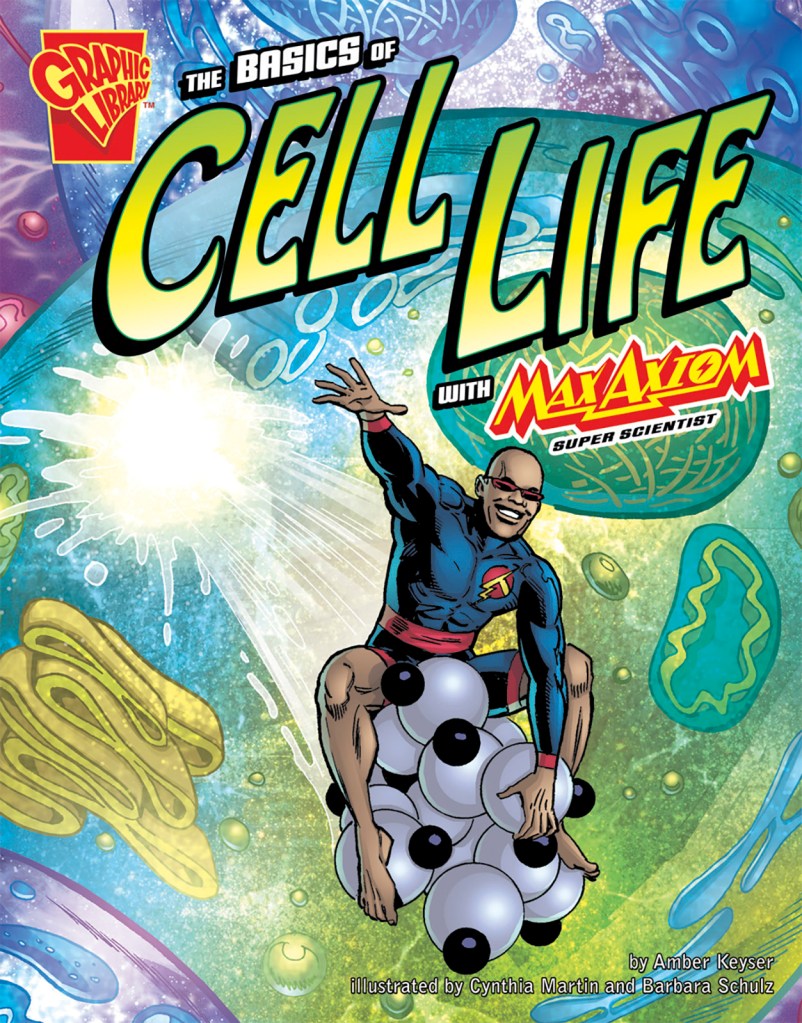
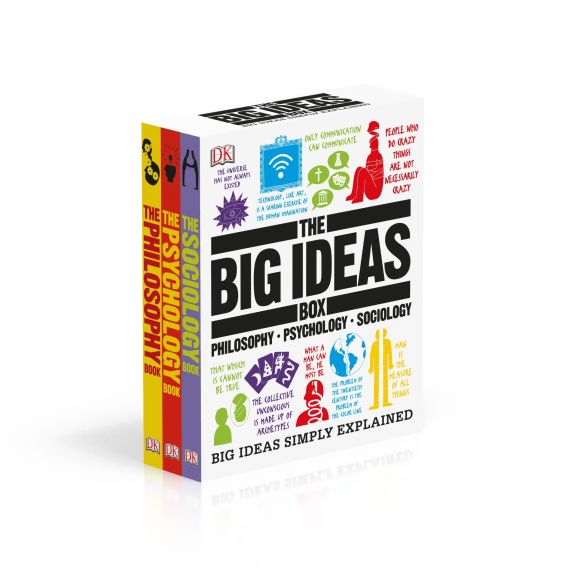
On the other hand, most respondents remarked on how much progress had been made in the last few years on the design, layout and illustrations in recent nonfiction texts. There was also a shoutout for the increase in different formats including “Oversize books” (see the books of “Big Picture Press – Welcome to the Museum”); Graphic and Manga imprints (series such HowToons; Cells at Work; and authors such as Don Brown and Jim Ottaviani); infographics (Infographic guides; ) Subject Summaries (The Big Fat Notebook series), Picture books (see this 2024 SLJ list) and Subject Overviews or introductions (DK Eyewitness, and DK Big Ideas).

Where curriculum and research is concerned, students can now often choose their favourite medium of access through a variety of formats.

Foster the flame of curiosity

Somewhere on the way to middle school, students amend their passions to fit in with their peers and ensure a sense of belonging. So out go the dinosaurs and big trucks to be replaced with their favourite sports personalities, music stars, books about their sports (soccer and basketball seem to be hits). Puberty hits this group hard and fast and strategic placement of sensitive materials can put paid to rumours and myths. It is also a time of self-absorption and worry about their physical and mental health – books on health and well being, relaxation, anxiety, meditation as well as psychology, are popular and an area of growth in most libraries. 

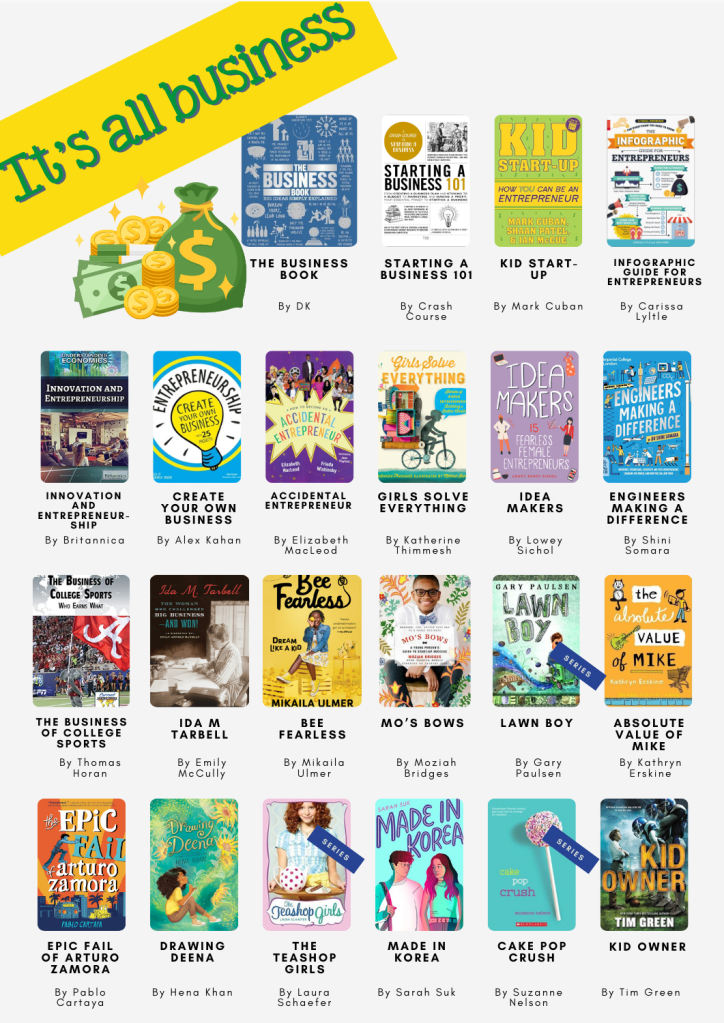
Given the demographics of our schools, students of this age are already taking a keen interest in finance, aspects of wealth and investment as well as entrepreneurship. They’re also interested in personally exploring hobbies and activities they may see online such as cooking, sewing and knitting or other crafts. 

History – particularly the world wars and more recent conflicts continue to fascinate and appal in equal measure – often mediated by historical fiction texts students may encounter in their literature studies or English classrooms and what they see on the news or social media. 

Shelving, organisation and display

In order to make nonfiction appealing and accessible, quite a few of our respondents mentioned they either had or were in the process of rethinking the way that nonfiction was shelved, organised and displayed in their libraries. There is a continuum from pure DDC (Dewey Decimal Classification) to a range of Book Shop or genrified models. Librarians were more interested in getting books seen and read than in a hypothetical need for their audience to be able to navigate a university library later. One of our respondents coined the lovely phrase of “emotional accessibility” in this respect. 

Of course most libraries have already taken the first step of putting “literature” or novels out of a straight Dewey 800 section into a fiction collection – genrified or or not. Other common “extractions” from the main Dewey structure include:

  • Taking Biographies, collective biographies and memoirs out of 910/920 and putting them in a separate section. Some libraries put collective biographies at the start of the section they pertain to (i.e. famous musicians go to 780).
  • Travel Books
  • Poetry
  • Drama and playscripts
  • Graphic Novels and Manga 
  • Narrative nonfiction
  • Myths, Legends and Fairytales
  • Parenting 
  • Well Being
  • Professional Development 
  • Sports 
  • Country specific collections
  • A specific nonfiction series that’s popular
Photo: American School of Dubai MSHS Sport Section

In the absence of permanently pulling out a section – many librarians make use of rotating “dynamic shelving” or temporary topical displays. The guideline here appears to be to follow the needs and interests of the community – teenagers want to be able to independently navigate the library without adult intervention that may be embarrassing. 

Related to that – signage and signposting was an area that nearly all librarians were investing in. Many mentioned significant weeding that had resulted in more space for forward facing displays and carving out sections of interest. 

Recommendations

To support the discovery of nonfiction titles for middle school, we’ve curated a shelf of 389 (and growing) books on Librarything that we consider to be worth investing in. It’s an ongoing labour of love, so not every book has been tagged at this point yet.

Examples of Some of the tagging we’ve employed are (not an exhaustive list):

  • Narrative nonfiction
  • Manga
  • Graphic
  • Topic_
    • WW2
    • Women
    • Science
    • Mathematics
    • Religion
    • History
    • Climate
    • SDGxx
    • Activism
    • Wellbeing
    • War
    • Technology
    • Sustainability
    • Sports
    • Space
    • Social Media
  • Geo_
    • Southeast Asia
    • China
    • USA
    • Europe
    • UK
    • Australia
  • Edition
    • Young Reader

Since such lists can quickly go out of date, we’d also like to generalise with some series, authors, titles and publishers that we recommend.

Great AUTHORS 

  • Marc Aronson
  • Don Brown
  • Marc Favreau
  • Candace Fleming
  • ​​Russell Freedman
  • Yuval Noah Harari
  • Deborah Hopkinson
  • Tanya Lloyd Kyi (Canadian)
  • Randall Munroe
  • Jim Ottaviani
  • Elizabeth Partridge
  • Gillian Richardson
  • Steve Sheinkin
  • Cory Silverberg (Puberty)
  • Dashka Slater
  • Tanya Lee Stone
  • Pamela S. Turner

Great PUBLISHERS

  • Annick Press (Canada)
  • DK (Eyewitness; Big Ideas; Children’s Timelines; How Things Work; How Stuff Works)
  • First Second (MacMillan)
  • National Geographic for Kids
  • Usborne (UK)
  • Crabtree Publishing Company
  • Flying Eye Books

Great SERIES

  • DK Eyewitness
  • DK Big Ideas
  • DK Children’s Timelines
  • DK How Things Work / How Stuff Works
  • From Playground to Pitch
  • HowToons
  • Hazardous Tales (Nathan Hale)
  • Little Histories 
  • World Citizen Comics
  • UN sustainable development goals

Great TITLES

There’s been a recent shift toward publishing a Young Adult version of popular nonfiction titles either simultaneously or shortly after the Adult version. These can be found by searching for “Young Readers” or “Young Reader’s edition” / “Young Reader’s Adaptation”.

Blogs and nonfiction websites

Nonfiction Book Awards

Pairing Nonfiction and Fiction

Last but not least, pairing a nonfiction book with a novel can enhance both texts.

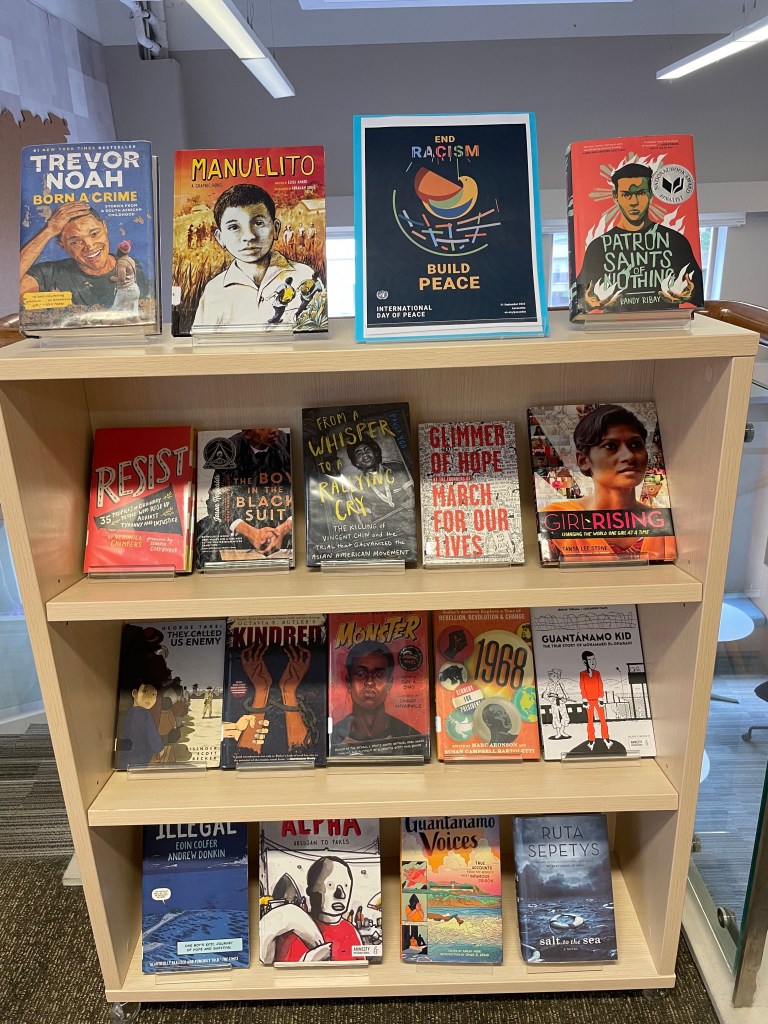
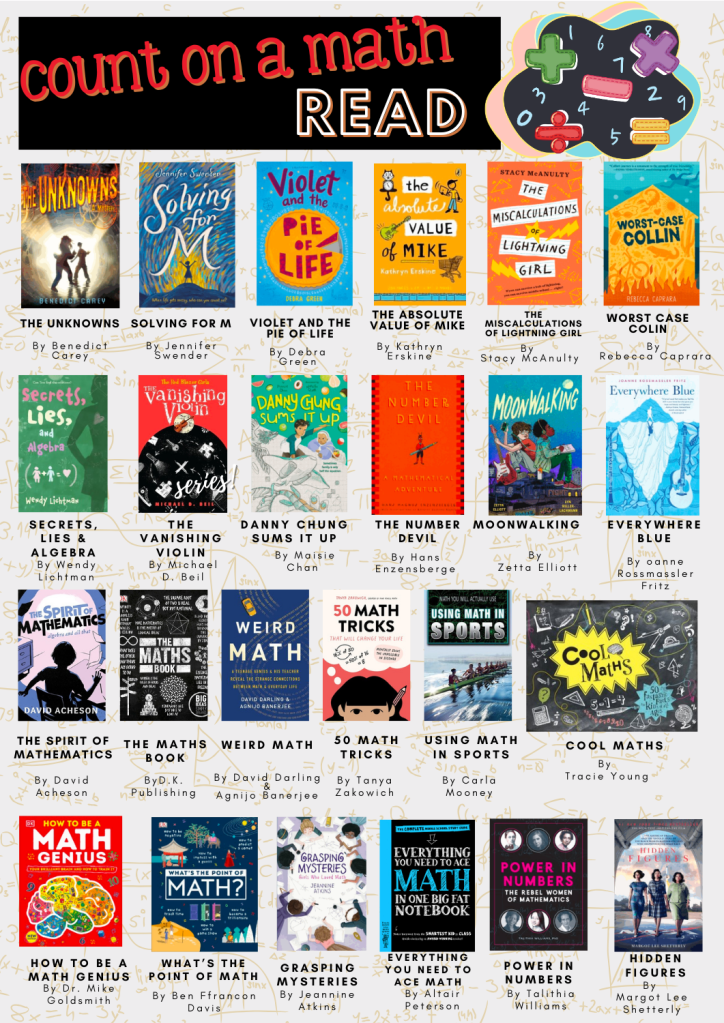
I initially started putting a fiction book on this libguide followed by suggestions of nonfiction, https://asdubai.libguides.com/ms/reading/nonfiction. I’ve now moved away from that somewhat and have started curating “Read Around the Curriculum” posters where either a curriculum topic is highlighted with fiction and nonfiction, or an “If you like / want to know more” poster is made of one of our book club fiction books with suggestions for finding out more about the context with other fiction/nonfiction books on the topic.

Katie Day and I would love to hear your suggestions for more nonfiction books, and perhaps we can expand the list to High School. Many of the books suggested in our list are suitable for High School and upper elementary as well.

Comments and suggestions much appreciated.

NOTE: Since the publication of this post we have been approached by commercial entities about using the list. While we cannot prevent the list from being used commercially this is our wish:

This list was created in order to freely help librarians all around the world. It was a labour of love which took a lot of our personal vacation time to create. If you are part of a commercial organization and you will be using the list commercially we would request that you attribute us and make a suitable donation in our names to “Biblioteca di Lampedusa” which serves refugees from around the world in their Silent Book initiative, https://www.facebook.com/BiblioLampedusa/ or the “IBBY Children in Crisis Fund”: https://www.ibby.org/awards-activities/ibby-children-in-crisis-fund.
Thanks. Nadine & Katie

How long will it take to rethink online learning?

Tomorrow marks 74 days since we saw our students face-to-face. Since we had the luxury of physical indoor and outdoor spaces. A library. Fields to play in. Classrooms. We’re at the point of the year now where we’ve started talking about assessments and report cards and student led conferences. Where there are fewer days left until the end of the school year (67 days) than we’ve been doing online learning. And everyone I speak to is so very tired. Students, parents, teachers.

If this becomes our new normal, even in some kind of hybrid online/off-line model as articles such as this from the Atlantic Get Used to It: This Lockdown Won’t Be the Last  suggest that we may be moving between the two for a while to come, then we’re going to have to rethink online learning in a major way.

I listened to an interesting podcast with Sam Harris and Matt Mullenweg little over a week ago, on the New Future of Work wanted to blog on it but then had to do some more thinking and revisiting the points, but it was nearly a 2 hour podcast and I didn’t have the time to re-listen to it (even on my usual double speed), and there was no transcript – so the hack I employed was to open a word document and activate dictate, play the podcast in the background and use Microsoft’s pretty impressive assistive technologies help me.  I can read way faster than I can listen which is why video-based education always annoys the heck out of me. Podcasts are ok as I can do them while walking, cleaning, cooking etc.

Levels of Online Work:

Getting back to the point. Mullenweg identified five levels of online working. And I think this is probably true of online learning.  He also had a great little anecdote about the early days of radio drama in the 1920’s when people didn’t take advantage of the medium and tried to recreate plays including costume etc and then broadcast it. Online everything is a bit like that – we take the physical and try to recreate it but online, not fully adapting to the medium.

The levels are:

Level 1: Occasional at home work for example due to emergencies / illness using basic equipment like phones / internet

Level 2: Attempt to recreate the office environment at home without taking advantage of the medium – i.e. synchronous, mandated online hours, surveillance by company, little freedom and agency.

Level 3: Take more advantage of the medium – e.g. shared documents, real-time editing for example during meetings for clarification and shared understanding, better home equipment, companies investing in hiring people with really good written communication skills.

Level 4: Going asynchronous giving agency to people to design their day and productivity. Performance is judged on production / output not on how it’s produced. The baton is passed on over time zones. Decisions take longer but allow for longer and better contemplation, less power dynamics and give space for introverts and people for whom English is a second language.

Level 5: Nirvana with better work and more fun. Environment is designed around health including mental health and wellness. People operated at a higher level being “heroicly productive”. A sense of a world of “infinite abundance” and where there is a noticeable divergence between peers in terms of their deliverables/output. The biases of online environments such as dress / self-presentation / image disappear.

In their “The Remote Playbook from the largest All-Remote company in the world” Gitlab have their own levels:

  • No remote
  • Remote-allowed
  • Hybrid-remote
  • Remote, biased towards one time zone
  • All-remote, asynchronous across time zones

Document everything

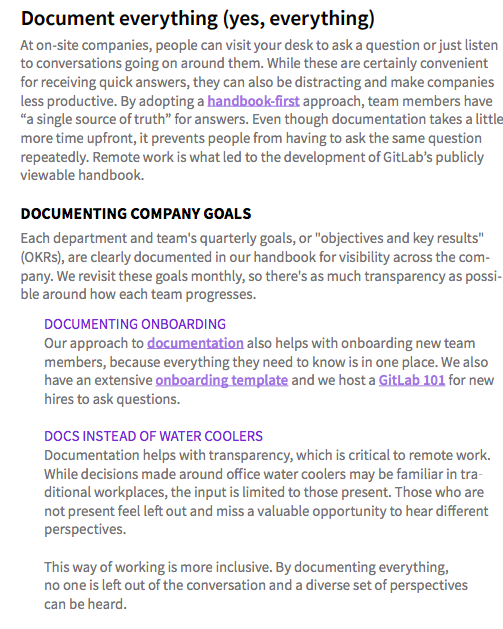
I really like some of their suggestions – including the one about documenting everything and having a single source of truth. Honestly that was one of the most time-consuming things I did initially and it remains tough to keep it updated and relevant, but our Middle School online learning guide (7,745 views) and the more detailed Teachers guide (5,476 views) remain the best time-investment I’ve made so far.

Document Everything
From: The Remote Playbook by Gitlab – see more here: https://about.gitlab.com/handbook/handbook-usage/#why-handbook-first

Get off email

The most impressive statement Mullenweg made was:

“sometimes I .. get under 5 emails per month, well and some months it might just be one or two basically all I get with email is like private HR stuff things that need to be one to one private communication everything else happens on these internal” (discussion boards / forums)

One of the most stressful parts of online learning I think for everyone has been the continual flow of single-purpose single-person emails all asking / saying the same thing. From the EdTech / IT side of things we’ve taken a load off with Libguides. I don’t get the feeling that’s happening so much in the various subjects. We’re not at Nirvana yet – or even close because there is still some pride in saying how many emails you have / have sent / how many hours you’ve been working. I had a really bad day on Friday. I’d been up late giving online PD to some educators in North America, followed by finishing off some points that had arisen from the PD plus internal stresses as our permission to stay is becoming an issue as we can’t return to China and my son and I were creating home-made application photos and filling in forms (in French – thank you Google translate) into the next morning. Then up early to do the first grocery shop in 3 weeks at 7.30am before the shops got busy. And then I was dead. I checked the most important emails and dealt with them – often just pointing people to our knowledge base. I left a bunch. And by the end of the day got “don’t worry I managed to solve it” from a few. The more robust our knowledge base can be, the easier this is going to become. I also need to make a huge investment in getting everything to ASK.wab.edu and then pointing to individual pages / boxes.

That’s going to take a huge investment not just in putting it all in “ask”, but also in getting our whole community to check there first as a habit. 

Rethinking it all

But I diverge from the real point of this blog and that is the increasing realisation that perhaps we need to rethink teaching and learning. I attended a Zoom webinar with around 50 MYP educators last week, led by the indomitable Lenny Dutton and the consensus seemed to be converging around the fact that huge scaling down of the curriculum and content expectations was occurring – with 50% being the most common number suggested. (Side note, it also made me incredibly proud of the leadership, foresight and guidance of WAB as we’ve been asynchronous from the start).  Perhaps it’s my A-type personality, or perhaps it was the question from my son “will all this result in the IB changing its exams next year to take account that we’re missing so much this year” that made me wonder what the heck we’re doing? Yes I’m not uncaring and I know all about Maslow vs. Bloom etc. I also know that there is less room for anxiety, worry and endless media scrolling when there’s useful and engaging work to be done.

I have to keep wondering if there is a different way, besides the asynchronous and slower pace to do this. My colleagues know I have two phrases of our greatest enemy in education that I repeat all the time “continual partial attention” and “switching costs“. I think education does particularly badly in helping students to find their flow or in adhering to Daniel Pinks’ tenants of motivation “autonomy, mastery and purpose”

I’m a veteran of (adult) distance learning, having done two back-to-back masters’ degrees remotely over four plus years. It was hard. Really hard. And it took a while (at least 3 subjects, lots of tears and feedback) before I managed to work out the best way to organise myself and my work flow and to find the balance between (part-time) work, full-time motherhood with a spouse who was on the road a lot and being a student.

The sweet spot for me was only two subjects per semester, and only working on one subject at a time each day.

Granted these were masters level subjects with an enormous course load and tons of academic reading to do. But then again I’m a highly literate adult, with hopefully more defined study skills and work habits. So if we’re asking students to do 8 or more subjects and teachers to be teaching 5 block – sometimes of different grades/subjects (middle school) is it any wonder we may be over-reaching? (The poor completion record of MOOCs is also something at the back of my mind).

004-teamsAs you know, I’ve also been grappling with that beast called Teams, and I’m trying to think out of the box and learn from all the questions and webinars and videos out there. One completely out of the box idea I had was perhaps we’re thinking of it the wrong way around – this is in particular to my thoughts about student agency, self-directed learning, portfolios and evidence of learning/mastery.  What if instead of having class/subject teams, each STUDENT had a team they were owner of. They’d have channels for their various subjects, and they’d choose which two or three subjects they’d focus on at any time and when they’d do it. Subject groups would have department teams with all the teachers, the curriculum and curriculum content that then could be pushed down to students and mentors would help guide students in their choices. Instead of semesters, for this age group we’d probably have to look at shorter periods of time to ensure that the “forgetting” curve didn’t kick in – especially in continual practice type subjects (I’m in dire danger with my Chinese according to my memrise app, not to mention muscle loss on the fitness side of things).

combating-the-forgetting-curve

What are you thinking?

In a conversation with a fellow educator last week, he said “Well WAB is just so far ahead in thinking about these things, we’re probably at least two or three years behind even putting theses discussions out in the open” and perhaps that is so with our Flow21 initiatives. I’m also wondering how far away we are from becoming a global rather than location based entity – for example some of our students were at one point enrolled in local schools where they were based and have now returned to the fold – what’s stopping us from enrolling other poorly served students into our programmes?

I’m thinking the IBO is also going to need to be far more proactive to fit the new reality. Personally I was not impressed with the timeline of action (exam cancellation and alternatives proposed) only coming after it was apparent that this wasn’t just a China problem. Value based leadership is essential in these times and that includes checking bias.

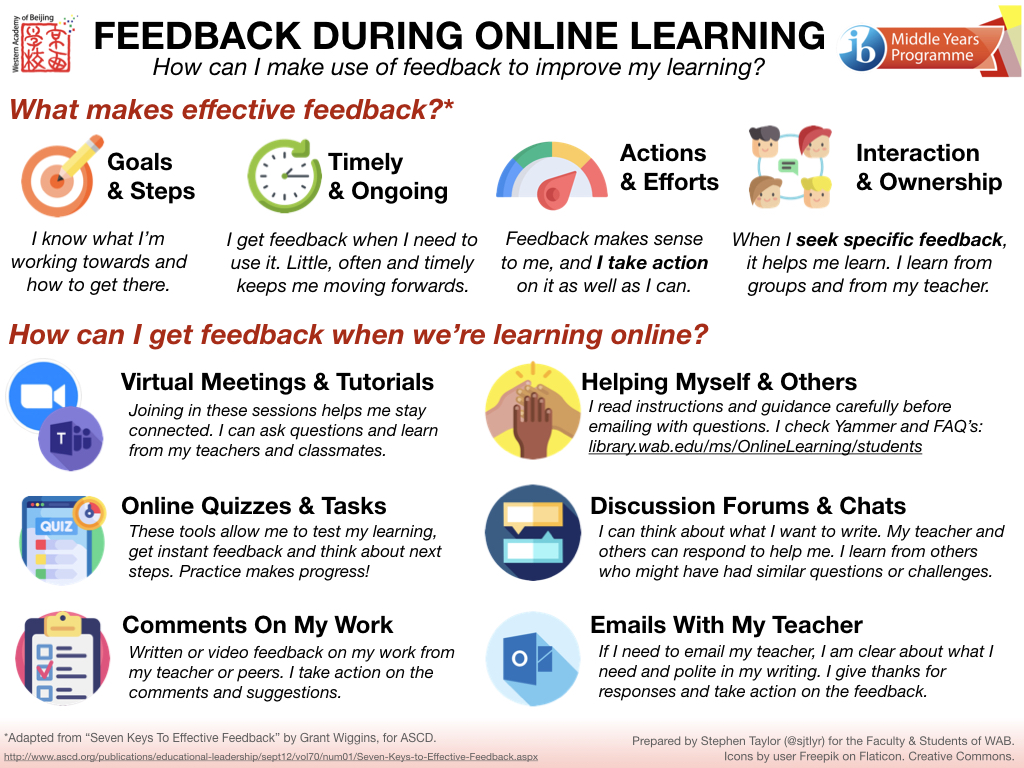
FeedbackOnlineMYP.001

I do think the IBO focus on ATLs (Approaches to Learning), particularly communication would remain foremost – again from Mullenweg:

“and writing quality, clarity, and skill becomes more and more valuable I think in all organizations but the more distributed you are for sure. This is going to be a windfall for all the humanities degrees. Absolutely we screened for it very heavily in hiring process. Like I actually don’t care where you went to college or anything like that but we do a lot to screen for writing ability both in the how you apply how we interact will hire many many people without ever actually talking to them in real time or on voice we do it entirely through slack and tickets and other things because that’s how we work”

If we were to explode education what would it look like? Please comment.

___________________________________________________________________________________________

Feedback during Online Learning by Stephen Taylor
Photo by Glen Carrie on Unsplash
Copy

Seek and Find – breakout

In the interests of trying new things myself, and also making library orientation and searching the catalog / tracing items from the catalog to the physical copy more fun, I decided to create a library breakout.

I’d watched the “Breakout” phenomenon ebb and flow about 3-4 years ago and had always put it in the “fun, but how?” box, and this year finally decided to get into action. Our HS Edtech person had purchased the official “Breakout box” so I could have a look at that and the resources in the official site, and our ES Edtech person had deconstructed the idea and had a bunch of Stanley boxes, suitcases with locks and locks, so I had a lot to play around with. The first port of call was the official Breakout Site. Like all great ideas, this seems to be one that had its hey-day around 2015 and many of the potentially interesting links to library orientation were either broken, or the video instruction didn’t work or there were other issues, so, I left, muttering “maintenance” . I found a few good breakout description online (Library Media TechTalk; The Bright Ideas Library; LibraryStew; Ms. Kochel’s book blog;) and then, after getting an idea of how it could work, sat down and thought of what my aims would be.

  1. I wanted to highlight the “Panda” books – the annual students’ choice books that are on a huge display in the library but often get overlooked by students and teachers alike – we order 5/6 copies of each book each year and students vote on their favourite in March.
  2. I wanted students to be familiar with the library guides and bookmark the front page.
  3. I wanted to make sure students could log onto the library catalog, search for a book and then find the physical copy in the library
  4. I wanted each student to know how to use the “self-checkout” station
  5. I wanted the students to search the catalog to find more obscure items (in titles, in descriptions of books, number of books in a series etc)

With my “ISTE educator” hat on, I wanted to ensure I could work on the role of “Facilitator”:

Educators facilitate learning with technology to support student achievement of the 2016 ISTE Standards for Students. Educators:
a. Foster a culture where students take ownership of their learning goals and outcomes in both independent and group settings.
b. Manage the use of technology and student learning strategies in digital platforms, virtual environments, hands-on makerspaces or in the field.
c. Create learning opportunities that challenge students to use a design process and computational thinking to innovate and solve problems.

In this case they would be “Knowledge constructors”

3. Knowledge Constructor
Students critically curate a variety of resources using digital tools to construct knowledge, produce creative artifacts and make meaningful learning experiences for themselves and others. Students:
a. plan and employ effective research strategies to locate information and other resources for their intellectual or creative pursuits.

ATLS (approaches to learning):

  • Thinking – Creative thinking / problem solving
  • Self Management – Affective – show resilience; Demonstrate persistence and perseverance
  • Social – Collaborative – share responsibility and roles with others

Universal design for learning:

  • Multiple means of Engagement: Provide options for Sustaining Effort & Persistence
  • Multiple means of Action and Expression: Provide options for Physical Action

The guide for the breakout can be found here with the clues. Students could access this guide through a QR code on the box.  Most of them didn’t examine the box for the QR code but went straight for the printed instructions.

The activity needed at least 50-60 minutes – with some classes we had that, and generally those were the more successful classes who managed to complete all locks.

Some teams / classes didn’t complete for various reasons, and they didn’t get anything. Nothing. No compensatory prizes, no consolation prizes. The teams who did succeed could trade in their “key for success” cards in the box for boxes of “smarties” or chocolates – and the feeling of success.

Main takeaways:

  •  Students need to be carefully guided to read the instructions completely and carefully
  • Their enthusiasm and “let’s run here” inclinations needs to be tempered with “hey guys, how about stopping and thinking about …”
  • Where an activity led them to need to get a next clue from the library staff, our staff was instructed that they only proceeded if they were politely addressed and asked (part of the hidden agenda that my staff are people with feelings who need to be treated respectfully)
  • Students (and teachers) often don’t see displays and look over them – their attention needs to be brought to things deliberately
  • Don’t assume anything – some 14 year olds have never done puzzles or have any idea of what a cipher wheel is!


How to lie and cheat …

Teaching academic honesty is always a tricky one. Last year, my involvement was limited to showing a tool (Noodletools) to large groups of students, howling in protest that they preferred the predatory alternative EasyBib, too late in the year and being a second opinion on whether submitted work was honest or not.

This year, I’m more of a “known factor” and when I offered to start the year with a more general discussion on honesty rather than just getting into the nitty gritty of citation, a fellow teacher offered to lend a hand in a Day 9 session.

In order to get more than three nerds to sign up, I billeted it as “How to lie and cheat your way to academic success” and an unprecedented 30 students signed up for the session – the maximum allowed. During the planning we set out to find out a little more about the motivations of students and to ensure we engaged MYP ATLs, and I wanted to make sure we covered the ISTE student standards of Digital Citizen and the UDL (Universal Design for Learning) standard of “Multiple means of Engagement”. 

ATLs (Approaches to Learning)

Thinking skills

  • Critical Thinking
  • Creative Thinking

Research Skills

  • Information Literacy

ISTE Student:

2. Digital Citizen
Students recognize the rights, responsibilities and opportunities of living, learning and working in an interconnected digital world, and they act and model in ways that are safe, legal and ethical. Students:

b. engage in positive, safe, legal and ethical behavior when using technology, including social interactions online or when using networked devices.
c. demonstrate an understanding of and respect for the rights and obligations of using and sharing intellectual property.

My co-teacher Jo had some valuable day-to-day insights from the classroom of where students had a lack of understanding or were mis-understanding the topic which helped guide our planning and thinking about the session.

We started with a quick survey using Mentimeter to get an understanding where any potential plagiarism could arise. The questions were adapted from the “Symptoms of Plagiarism” by Dianne MacKenzie, further discussed here. We explained that all answers were anonymous and it wasn’t any reflection on them but rather feedback to us as teachers. We zoomed in on discussing “must do well” to better understand whether the pressure was internal (self) or external (parental) or a mixture and found it was pretty evenly spread. As teachers and creators of assignments the 25% who said they “didn’t understand the assignment” gave further pause for thought on how we set and word assessments and assessment rubrics, and also credence to our new MYP coordinator’s emphasis on ensuring teachers and students are familiar with the MYP command terms (Libguide by Stephen Taylor).


After this, we showed them their homework diaries, where at the back we’d included a graphic of our Middle School Academic Honesty Policy, and an adapted summary of Turnitin’s spectrum of plagiarism. Yet another example of not assuming “if you put it there they will notice” since none of them had noticed what was at the back of their homework agenda! Following the Turnitin spectrum we discussed the various types with real life examples. They didn’t have any idea there were so many variations, and in particular were interested in the fact that reusing your own work was not ethical if you

Academic honesty

didn’t cite yourself. As was making up data for lab reports or “client requests” for design. 

Then they played a matching game of plagiarised text to type of plagiarism. And successfully matched all types.

In four groups they were given a moral compass and allocated 10-12 “Got Ethics” cards to discuss and place on the compass based on group consensus. And when they were finished they could rank the cards in the “wrong” sector by increasing level of “wrongness”  Interestingly here, one of the groups of girls were critical of the cards themselves saying the clothing of the girls images (exposed stomachs) was sexist and not gender neutral!

The final 15 minutes were spent on a Kahoot where we wrapped up all the elements of the session with a quiz where we explained that some of the questions had no right answer or a few options, and we’d pause every now and again to discuss things like what the difference was between copying a story and writing fan-fiction and fractured fairytales. 

We felt it was 70 minutes well spent with engaged and interested students throughout and will probably run the session again.

Collaboration is air to us

And we need it to survive.

I meant to write this post a little while back, but then school started, and whoosh there went all my potential blogging time.

On one of the FB groups I follow someone was asking about teaching academic integrity / honesty. Naturally the librarians in the group responded with “ask your librarian”. To which the poster responded “I took it on. Go me!”

There are so many things wrong with this response it’s hard to know where to begin. And yet it is pretty common. Even in IBO programs. Maybe especially in IBO programs? You see a lot of IB educators (PYP, MYP, IBDP) are really smart people. Often they’re subject specialists. They’ve had additional post-graduate training specific to the IB, and often also have post-graduate degrees.

So what can be so hard for a person like that to teach information literacy / academic honesty etc? Why on earth should they involve their teacher-librarian (assuming that one still survives in their organisation and hasn’t been replaced by a (unqualified) parent volunteer or the principal’s wife?

In the first instance it’s not quite as easy and clear cut as people presume it is. Heck there are people like Mike Caulfield make it their life’s work to seriously consider information literacy and over the years boil it down to its most useful essence – perhaps in response to the “go me!” attitude of educators.

I’ve walked into classrooms where teachers have been talking old-fashioned nonsense that was relevant in the time they studied and had to go back to micro-fiches or dig through unfederated databases. Classrooms where teachers are mixing up APA in-text citations with MLA7 works cited lists in an environment where MLA8 is the norm. Classrooms where teachers have unattributed images or texts in use…

But worse than all of that, they have a black and white view of plagiarism. One that is unsubtle and non-nuanced. One that makes students “good or evil” and neglects the approach that academic honesty is a community effort. That it’s too late to make it a quick add on to a lesson. I’ve written on this in the past – plagiarism is not a simple matter, but mired in assumptions, teaching, culture and ignorance. And that’s the exact reason why it should be addressed centrally with common language, common understanding and be phased in over years with teachers and the rest of the community as role models.

Academic honesty is not just about consistent, correct citations. It is an integral part of how we look at research and inquiry. It’s not just a once off lesson taught in isolation, it’s part of us helping students to develop as researchers (please read this post on citations helping research in backward design). But if the teacher librarian is left out of the equation, it is not part of a progression, not part of ongoing development. And then we get teachers grumbling about how students are lazy and just copying and pasting, and having no integrity blah blah blah.

So don’t “go you” – unless you’re going to your teacher librarian (TL). And if you haven’t bothered to talk to, or collaborated with your TL, do yourself, and your students a favour and do so. Yes you’re smart and all that. But the TL is a specialist in this stuff (remember the two masters degrees they need?). And if they’re not used, you’ll be left with a bunch of apps and ignorance. And the problem will not go away with some nifty templates from teachers-pay-teachers or your mates on FaceBook.

——-

Photo by Fedor GoldBerg from Pexels

When to read what how

First a shout-out – if you’re an international librarian and reading this – please join the International Librarians Lead (inTLlead) moodle – it aims to bring together a repository of resources, ideas and discussions on everything to do with being a 21C librarian in a global setting. We have 195 members and growing.

Further to my post about the difficulty in getting the right pitch in nonfiction reading in middle school, the discussion continued with science teachers about what students read (or don’t – thanks youtube) and how scientific time at school is used. And this is something I find incredibly weird as a non-science teacher, non science-curriculum creator, but as a parent of two kids having gone through science in PYP, iGCSE and MYP and DP. They spend a LOT of time and energy on lab-reports. Which often, no matter how heavily it’s scaffolded (and believe me I’m yet to see a lab report assignment that’s not heavily scaffolded) but they don’t spend any time until the IB reading a scientific journal article. And then probably only if they’re doing an EE (extended essay) on a scientific topic. And the skills required may or may not be explicitly taught depending on whether the librarian gets a look in, and depending on the supervisor and how much time they have.

Does anyone else find this strange? I’m wondering if we could somehow create a phased cross-walk between popular science articles in various areas to the original research that gave rise to those media interpretations (or misinterpretations as the case may be). Phased as in the sense of starting with the LCD of the abstract and conclusion and working up to sample size, statistics chosen and interpreted, hypothesis, methodology, experiment (link to the dreaded lab report) etc.

Am I talking nonsense? I’m thinking something very graphic so it’s pretty obvious. Or they create the graphic. By the time they get to the IB or university they don’t have the time to both do the writing needed and learning the decoding skills surely we should start earlier?

Trust me I’m a …

I’ve had this vague feeling ever since I started in the middle school that I’m just not serving my population well on the research side of things. I’ve tried putting my finger on it in the past but the unease has been growing. It started with being dissatisfied with nonfiction and that we’re not doing enough to uncover what research really looks like. I’ve not blogged much this year – partly due to having a lot on my plate with moving schools and school section, but also by choice since there’s just been so much to process and I’m not sure if writing it would be the best option.

It’s now near the end of May and my unease has not abated. A few things are going much better – I’m slowing getting some more collaboration going between the library and the various subjects. Which in some ways leads to more soul searching on how to best serve our students. I think I’m beginning to better understand the problem, not that I’m any closer to a solution. danah boyd gave yet another amazing talk recently and here is the transcript: “Agnotology and Epistemological Fragmentation” – bigger words than I’m accustomed to blogging on, but please indulge me and read the link, as it’s a good, albeit scary read. In particular what struck me was her discussion of the “data void” because that is exactly the description for what I’m experiencing as a middle school librarian.

In primary life was relatively easy – students had their passions – dinosaurs and trucks and kittens and ocean life and their inquiries, the rainforest, energy, etc. and I had a plethora of resources, mainly print books that could explain things in a simple yet clear and age appropriate way.

My latest existential crisis is the result of a rather good collaboration with G8 Biology, where we’re trying to take some biological understanding of cells and make it relevant to your average 13/14 year old in the throes of puberty where everything is more interesting than cellular details. So the idea was to try and help them examine what’s going on at a cellular basis when they indulge in typical teen behaviour – eating, drinking, going to the spa, putting on sunscreen, using makeup, experimenting with alcohol or smoking/vaping, dyeing their hair etc. I’m gathering some basic background information in a Libguide so that they don’t get bogged down in a google blackhole.

But that pulls me into the rabbit hole instead as I try to find scientific information. With the teachers we’d already decided that any books we had were largely irrelevant content detailed and superceded by better online models and information. But what we needed now was good information tailored to the unit.

I started with what I thought would be something relatively simple – deodorants – nothing could be further from the truth. On the one hand you have Dr. Mercola, and his ilk, countless hysterical “health” bloggers; Huffington post and on the other, the 200 page report on the matter from the EU scientific commission. Then there was the Doctor in the Harvard review (via Credo) answering questions posed by her daughter and her daughter’s friends and her mother and neighbour. With some pretty definitive answers, but not a citation or reference to back up her views. I don’t think so. So I had to eliminate that as a potential source – Harvard or not, Doctor or not.

As boyd so perfectly puts it “One of the best ways to seed agnotology is to make sure that doubtful and conspiratorial content is easier to reach than scientific material. YouTube is the primary search engine for people under 25. It’s where high school and college students go to do research. Digital Public Library of America works with many phenomenal partners who are all working to curate and make available their archives. Yet, how much of that work is available on YouTube?

I had a similar problem when I was trying to find some nonfiction books on vaping and e-cigarettes – the books were merely adequate. In particular I was interested in at least one chapter, or even a page that dealt with the science of nicotine / of what’s going on in the lungs, the science. A few good images that didn’t just include pictures of the hardware of vaping! But there isn’t anything.

Where does that leave us as teachers and teacher librarians? Caulfield, who I highly respect for his work on information literacy, has come up with an alternative to CRAAP – SIFT

  • (S)TOP
  • (I)nvestigate the Source
  • (F)ind better coverage
  • (T)race claims, quotes, and media back to the original context

It makes sense, I liked it, but it sat a little uneasily with me, and after reading boyd, I understand why. What happens when you’re going through SIFT and you get to the F and find that there is no better coverage? This can be due to a number of reasons –

  • The gap between what is accessible at your level of understanding / education / language /
  • the preferred mode of access gap (see the comment on YouTube earlier)
  • the void between what I would call the “Goop press” (see this, and this) and science journals.
  • The chasm between what student friendly sources publish and what students are actually researching – anyone find anything really good on micro-plastics recently? – Not in any of the databases my school subscribes to…
  • The fact that even the most intelligent and well meaning teacher in my environment is loath to consider allowing students to use wikipedia (that will be a whole blog post on its own)

You will not achieve an informed public simply by making sure that high quality content is publicly available and presuming that credibility is enough while you wait for people to come find it. You have to understand the networked nature of the information war we’re in, actively be there when people are looking, and blanket the information ecosystem with the information people need to make informed decisions (boyd).

In the mean time, I’m encouraging my teachers and students to use Beers & Probst’s Notice and Note for Nonfiction. At the very least I’m hoping that using it will give them a sense of unease. Of uncertainty, of wondering if what they are reading can be believed, and if not that if not now, at some point they’ll continue to mull over the topic and eventually be able to research it further, and if necessary change their minds or opinions on what they learnt back when they were in G8.

Does Activism require Power?

One of my most popular blog posts was “Advocacy is not enough we need power” and I still stand by that. Ironically enough in my new role I am teacher librarian slash Edtech integrator, and I like to joke with my colleagues who need anything from data to access to fixing an issue to equipment that “I have the power”. But some stuff fluttering around twitter recently has made me wonder about librarians and power and about power in general.

In particular I think something amazing is happening in university librarian land with the ending of negotiations with Elsevier by UC – and the person in the cape is a librarian! But here is the strange thing – @Jmmason is getting three likes (plus mine) and two retweets on his guide for transitioning journals to open access.

Is this a case of “if a tree falls in a forest”? Where are all the OA activist librarians? Where even are all the “whinging about costs” librarians?

I like to follow a wide variety of people and Chris Bourg is one of my “go to” activist librarians. We need so much more of this ilk. But then I wondered about whether activism could exist in a vacuum of power. At the same time I know that power can both be given or assumed.

Most librarian groups now seem to have migrated to Facebook. Which is ironical because if we were better librarians and better curators we would not base the existence of our professional learning networks on a platform where groups are closed, information gets lost and the same questions are repeated ad-infinitum (see rant here). And judging by the posts we’re pretty good at complaining and most of the complaints (I’m talking the K-12 sector) are about budgets, job loss (or more accurately position loss as in “an unqualified teacher will do the library next year), or lack of acknowledgement. These are not the bleatings of people with real or perceived power.

The question is who can become activists? On the one hand you have people like Bill and Melinda Gates (see their annual letter, and particularly the bit about data can be sexist) who have the power. On the other you have people with next to nothing to lose. And then there are all the rest of us status quo huggers.

I say “us” deliberately, because I’m complicit. I think of a few things that we need to get activist about – some in the cost sphere, some in the service sphere (FollettDestiny are you listening) where we need to get organised, we need to share cost and pricing data but we don’t. Is it time? Is it being contractually bound to silence? Is it not wanting to be the tall poppy? Definitely in the diverse and relevant resource sphere as international school librarians we need to be in a constant state of outrage. And then there is the whole literature / translation thing going on – or not. Thanks to GLLI it’s moving in the right direction – albeit slowly and again why don’t they have tens of thousands of followers?

So we are librarians, a marginalised group within a sector in most countries (and in particular in many parts of the mighty trend setting US or A) that is marginalised economically, is it strange that you don’t encounter many activist librarians?

No use me merely complaining – What would my suggestions be to become an activist librarian?

  • Uncompromising values and standards
  • Unite, collaborate, be present
  • Champion diversity

Uncompromising values and standards

This is both personal and global. If you’re a qualified librarian be amazing at what you do and if you’re mediocre work on becoming better. If you’re amazing become even better and make sure you’re sharing and mentoring other librarians – and not just in your local network – we need more mentoring programs for regions where library science is under-represented.

And let’s not start on the levels above – the funding for library positions in schools and for university library programs. Who gets admitted into the library programs – are they taking the best of the best? Or the ones who want to get out of teaching for an “easy ride”?

It’s a bit the Finland / Singapore argument (to dig up an old trope) – well paid professions attract professionals.

Unite, collaborate, be present

Unite here not just to complain but unite in action. Collaborate and if necessary collude on matters that matter for knowledge, deep education, and investigation. Be present in the discussions and arguments. If you are not the leader be the first or subsequent follower.

If you’re a librarian in an international school join IntlLead a platform run by and for librarians not affiliated to any organisation.

Find examples of activism in other fields / areas that you can learn from or latch onto or use as examples.

Champion Diversity

I’m not just talking about #WeNeedDiverseBooks (see Meting out Diversity?). We also need diverse knowledge. Is that an oxymoron? And we need to personally be critical about what passes as knowledge and pass that critical stance on to our students. AT ALL LEVELS – not just when they’re in High School or doing TOK. Our G5 students need to know the information they consume for their PYP Exhibition is biased and deficient and that they can and should be adding to this from their cultural or geographical or linguistic perspective. We need to help publish. We need to interrogate the authors we invite to our schools on what they are doing to mentor and encourage no-name-brand authors in our locale, theirs, where they are appropriating stories for their books or elsewhere (and not just those who can afford expensive workshops). We need to invite speakers who do not repeat what we think we know but who challenge our assumptions.

Knowledge is biased

Look at this. As librarians are we passing on our outrage to our students? Do we follow sites like @WhoseKnowledge and tell our students to check the origins of what they’re reading? And that they whole darn point of learning and research is to make your own contribution to the world of knowledge and end this microscopic world view?

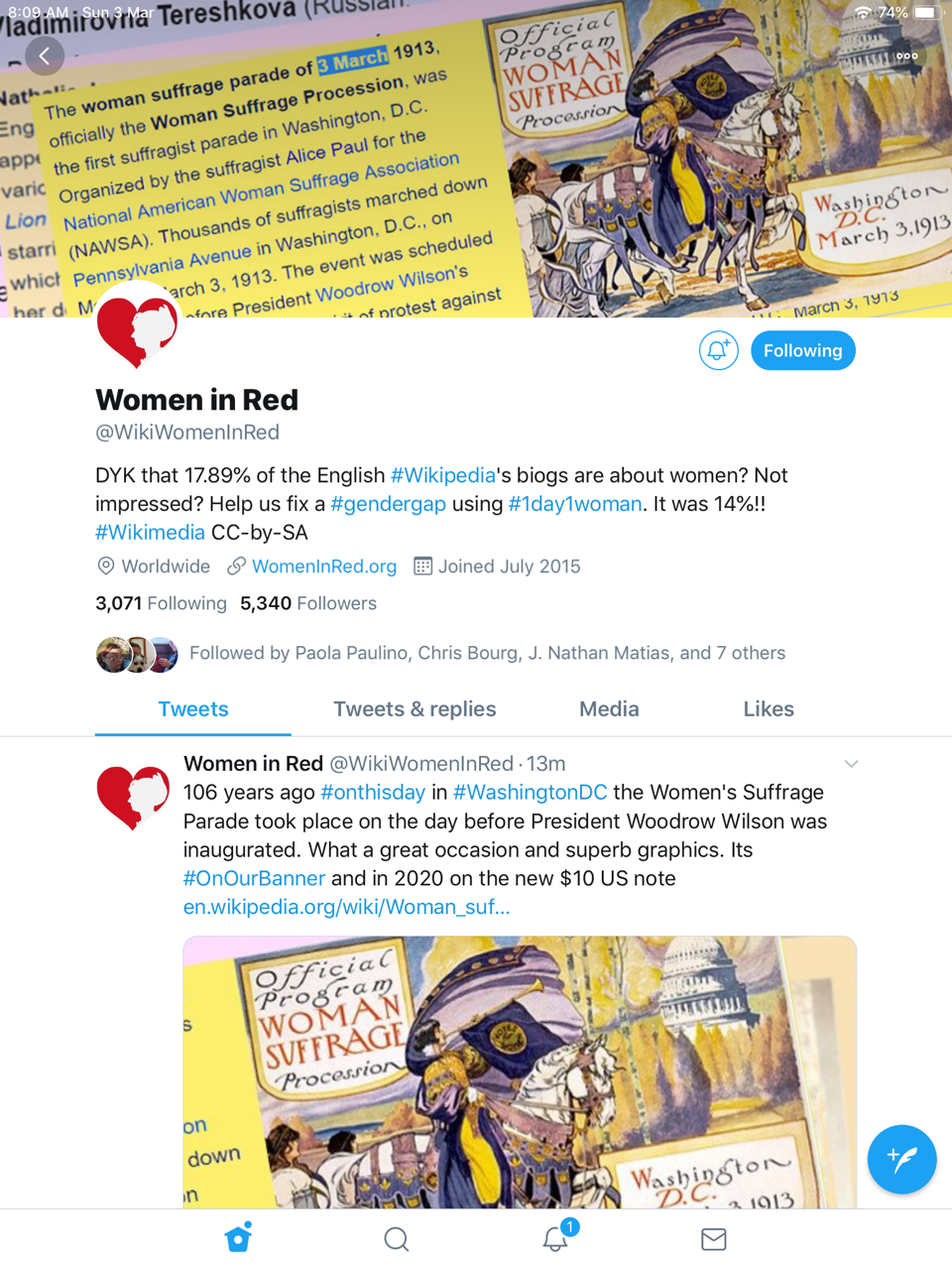
Here’s another one worth letting your students and fellow librarians know about – @WikiWomeninRed 

I don’t know how to end this. Just keep on being angry or outraged. And do something positive with that anger.

Facts getting in the way of a good story

It’s been a while – quite a stressful last few weeks of term – make that a stressful first half of the year. And now the last day of the vacation. Here’s a somewhat lighter post on two movies we saw that I’d like to comment on.

The first was Bohemian Rhapsody. The whole family is a fan of Queen, and given that Freddy Mercury has a special place in Montreux, our holiday stamping ground, we went to see it there. It’s a great movie – the music of course is amazing – it couldn’t not be, and you walk out with a whole nostalgic good feelings afterwards with a little sadness that he is not more.

But then my husband, who’d listened to Live Aid on the day from the Netherlands (I was living in South Africa which had a cultural ban still going at the time), disputed the play order of the songs, and my daughter, who studied Bohemian Rhapsody as part of her GCSE questioned the inclusion of some song in the “wrong” timeline so we set about googling the movie. And found the plenty on the inaccuracies in the movie. It seems yet again the problem of not letting the facts get in the way of a good story. But as I’ve stated before in my occasional review of historical fiction – one has a duty of care with the facts as not many people fact check what they’ve read or seen, and that becomes the new “reality” for them.

The next movie I watched with my son – he’s a big EDM fan and so we watched Avicii, True Stories, together (now available on Netflix). I’ll admit I asked about 20 times “where’s his mother” as things continued to spiral out of control more and more – but she didn’t feature besides one phone call. My son was more interested in naming the music, expensive watches and brand clothing … I was interested in the fact that so much of his life had been documented. And then my son said “you know he’s dead?” which led to another round of googling. Yes, in fact he did commit suicide, in April 2018, after the movie was made. This movie was more “factual” as it was a documentary – there was no hindsight as was finished before his death, and was more as an explanation as to why he wanted to stop performing than why he’d want to take his life.

In some ways the movies were very similar, each showing an extremely talented person spiralling out of control, and becoming victims of their own success and the manipulations of those around them whole fed at the same trough. Each also showed the story they wanted to show and left out some of the 18+ details (sex and drugs). I didn’t think that the Avicii movie was any less engrossing for the fact that it was a documentary.

In this interview, Rosenberg argues:

“I myself am a victim to narrative,” says Alex Rosenberg, a Duke University philosophy professor whose new book hopes to convince readers that narratives — and especially narrative history — are flawed as tools of knowledge.

Some more from Duke – this time the dispute between an author and the professor of History and Public Policy.

In the UK, Antony Beevor raises his concerns – this time it’s personal – concerning his Great-great-grandmother. And I remember another article – but can’t for the life of me find it – where a history professor complained that students coming into history programmes at university level have no idea that the latest Hilary Mantel or Philippa Gregory book is not a primary or even secondary source of historical information!

I love the fact that movies and books bring the past to life and that powerful storytelling is being used. I do think that we need to “immunise” our children and students so they can take the extra step of fact-checking and maintain a healthy scepticism of the “speculative” elements.