And that’s how fast 2 years go by

A couple of days ago my “quarantini” group sprung to life again with one of the members asking if anyone still had access to the Shanghai quarantine group WeChat – thankfully it is totally defunct, but I mentioned I’d blogged on our antics at the time and got a rather nice review on my writing, which made me wonder what on earth had happened that I hadn’t blogged for nearly 2 full years now.

To be honest, although I came through Covid healthy, and in fact only got it for the first time in December 2022, the whole hoopla around doing EdTech during the covid period left me feeling quite burnt out and at least in 22-23 extremely reluctant to even touch my computer out of school hours. Which is perhaps not a bad thing. I scaled down from working all the time to only working when I was at school. Not taking my school laptop home and leaving my home laptop shut away in my desk. I also have been trying to be much more zen about letting things go and not being too obsessive about every tiny detail and focusing on “good enough”.

Of course, only having to do one job – middle school teacher librarian, rather than having the EdTech plus Library role has been huge. That’s not to say that I didn’t learn an enormous amount in the 4 years that I combined the roles, and I have to give credit to an amazing team of library assistants I had at WAB that made up for the times that I was doing the one job rather than the other, but it’s nice to have focus rather than what I refer to as “continual partial attention“.

For the last 2 years I’ve been in Dubai and at an American School. After always having been in the IB system it’s been quite a culture shock, especially after 16 years in Asia, but there are fortunately enough commonalities that not everything is new. I’m still “in the middle” i.e Middle School and we have an amazing library and it’s nice to share a space and office with the High School Librarian who I’ve known “online” for many years.

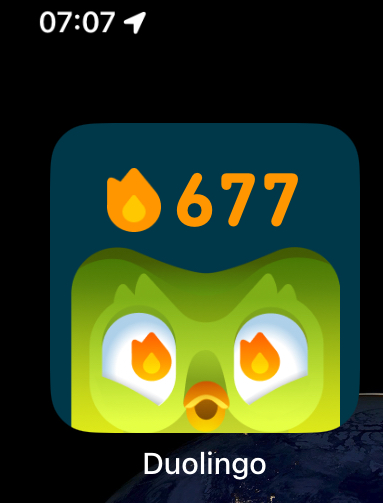
In the next few days I’m going to share a few of the library things I’ve been up to and give access to files that may be of interest to the rest of the library world and I’m going to try and have my blogging streak look at bit more like my DuoLingo streak – 677 continuous days. I bravely started in Arabic, but after a few months and managing to read a bit phonetically (mainly the names of the shops on our strip) switched to French as Switzerland is my home of the heart and I need it there.

Nonfiction’s right to exist (2)

This post as promised, I’ll write a little about physical nonfiction’s right to exist. I had a surprisingly large and positive response to my last post – which is a great incentive to carry on writing.

There are quite a few barriers in creating and maintaining a robust nonfiction section in a school library. Perhaps the two greatest are cost and perception.

In the school I’m just transitioning from, it’s taken 4 years and a lot of money to move up the average age of the nonfiction collection, and it still wasn’t quite where I wanted it to be – not through lack of trying. The simple fact of demand and supply is that some very good nonfiction books and series have just not been re-edited and updated since around 2009. Probably because of the surge in libraries decommissioning their nonfiction collection in favour of either eBooks or “the internet” or databases. That part had to do as much as with cost as with perception. Everyone got on the bandwagon of “Library 2.0” which, between many many great things and a thrust to bring school and public libraries into the new millennium also threw a lot of babies out with the bathwater.

The perception of a lot of teachers is also that it’s not necessary for them to use nonfiction books in the classroom and the perception of many students is that nonfiction books are “hard” or “boring”. Nothing can be further from the truth – particularly for nonfiction books created in recent years that are visually appealing, with great illustrations and design.

Steps to update a nonfiction collection

  1. Run reports per section on any books that haven’t been used in the last 5 or 6 years that were published more than 10 years ago.
  2. Section by section pull out those books and check if they have either
    • Relevance to the curriculum
    • Are high interest (e.g. cooking, art, craft, music, sport)
    • Are “browsable books” i.e. they get looked at in the library but not borrowed (e.g. big photobooks, dictionaries, atlases etc)
  3. Page through the books – even if they are relevant and perhaps interesting if they have a very high text density, the photos are old fashioned and the book layout and design is fatigued the chances that anyone except your most devoted students will bother them is close to zero.
  4. For books that are essential to the curriculum check if there is a replacement version, more up to date edition – order them
  5. Weed ruthlessly and don’t be afraid of gaps / empty spaces – use them to build a case for a transitional budget and to better show-case the great books you do have
  6. Update your DDC and your displays
  7. Repeat process, this time for books published more than 6 years ago etc.

This sound simple but it takes a lot of time. The best thing is to tackle on section at a time and to involve the relevant department. So for example if you’re looking at the 500’s involve the math and science department. Have a look at the curriculum and the available books – including checking science topics that may have meandered to other sections – for example we found a lot of the “energy” books in the 300’s and a lot of human reproduction in the 600’s. Some of the older books I wanted to weed the teachers wanted to keep in the classroom library as aspects were still relevant but not worth saving in the library – so they were weeded and given to the teacher so we didn’t have to worry about them disappearing. Some of the “little” books at a simpler level that were topical were given to learning support or ELA department as they tend to get “lost” in shelves. The maths section was beefed up with with more general interest books (see this post). With our G6 team I spent a lot of effort in decolonising our biographies and memoir section.

For other blog posts on weeding nonfiction from other librarians look at

Relevance of a nonfiction collection

Now we have some practicalities out of the way let’s talk about the relevance of a physical nonfiction collection. I notice when I first arrived I wrote a post asking if nonfiction was still relevant in middle school and I think four years later I’m in a place where I’m ready to argue that it is.

The first reason is the one most often used for the opposition of physical books – “the internet” and “databases”. Well let me tell you they’re both a combination of a terrible time-suck, expensive and generally useless. I do have some choice vocabulary that I’ll avoid using to keep things polite.

The internet – by which most people just mean googling can waste an inordinate amount of time as most students and even teachers do not really know how to search effectively. In addition it’s not the google most grew up with (and that delightful idea of “do no evil” – see this super interesting Atlantic article) it’s now a case of optimisation and pay for view and largely results in articles with a lot of bias, adverts, pop-ups or all of the above. That said, curated lists of sites and links can work (which is why I love Libguides).

Databases – just don’t get me started on how badly designed the UX of most databases geared at middle and high school students are. Britannica, Gale and Infobase are not too bad in their interface, but most of its information is very white British or North American and could do with a good decolonisation clear-out and update. Forget about getting much in the way of perspective if you’re in Asia or Africa.

Then we have the likes of EBSCO who pretend with their Explora interface that they’re nice and friendly and then bite you in the butt with the fact that it all resolves to tiny font and irrelevant articles. Not to mention their eBook collection that is generally old and where you can’t even select on Lexile, age or grade level relevance … for heavens sake how basic a request is that?

Without being particularly extravagant in a digital subscription well resourced library you can be spending over US$100k PER YEAR plus the “taken for granted you’ll accept it” 5-10% cost increases annually (grrr). That will buy a LOT of books – and most of them will remain relevant for at least 4-6 years.

What to buy

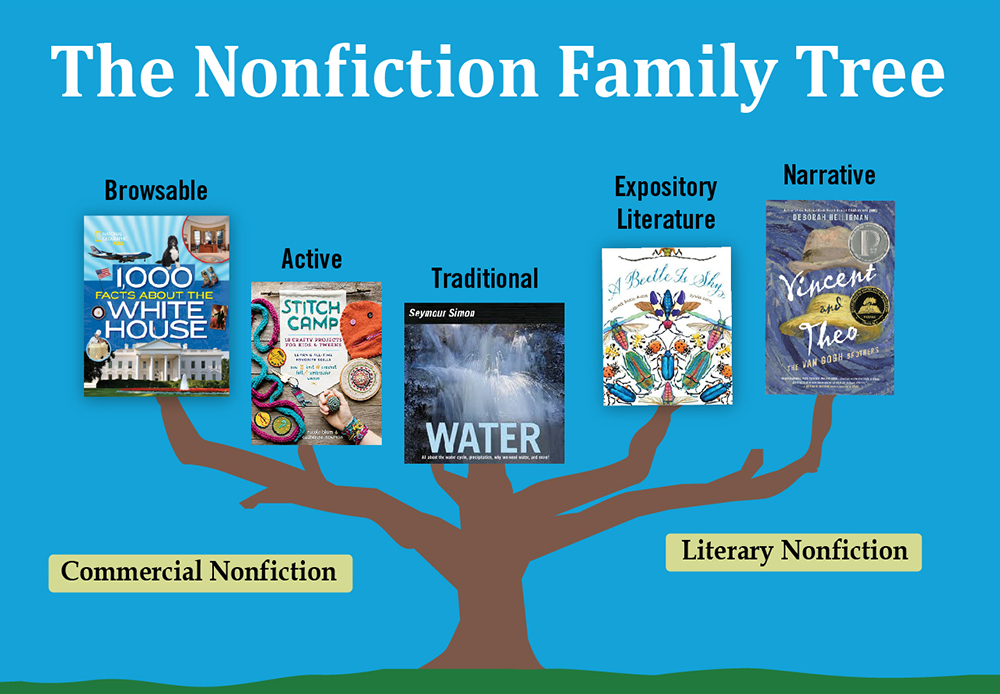
If you’re not yet familiar with the work of Melissa Stewart, it’s worth looking into her writings on the types of nonfiction. Starting in 2014 with 7 types of nonfiction, she’s now the author of 5 Kinds of Nonfiction : Enriching Reading and Writing Instruction with Children’s Books and rightfully says that a well-balanced library includes books in each category.

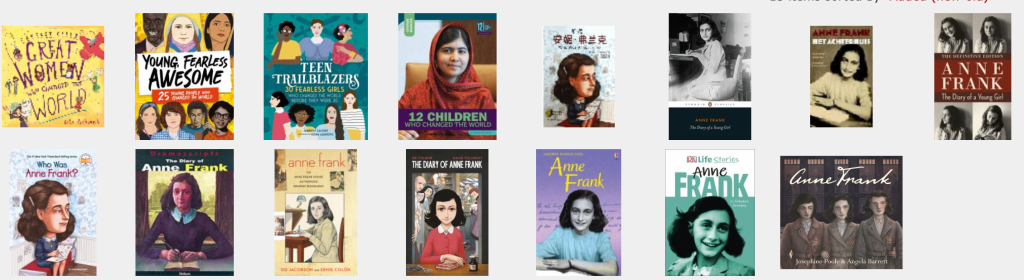
In fact in my library I like to have one topic covered in different ways by the different types. When I show off our books to students I like to show students that they can have a topic in any which way, just like how they order their eggs in a fancy breakfast buffet. I usually use “The Diary of Anne Frank” as an example. As you can see below I can offer them 15 different “servings” ranging from a page in a collective biography, to a graphic novel, the biography as a picture book, as a playscript, various formats and reading levels and in various languages (only Chinese & Dutch shown here but we have it in others too).

Anne Frank every which way

Besides books that are interest to the curriculum I also will buy anything of high interest – cookbooks were a hot favourite during our last Parent-Student-Teacher conference and my display led to a lot of lovely conversations with families about books and cooking/baking. We have knitting and crochet activities at school so I have quite a few books on different stitches, how to and patterns. We have some future beat-box stars who could guide me to the right books to stock for their passion.

Our student and staff are welcome to request specific books or subjects they’d like to see more of and that often results in some great suggestions.

And then of course picture book nonfiction and memoir and stories based on historical events – yes even for middle school – there is nothing better to introduce a topic – particularly a difficult one, like say “conflict” than some of the amazing sophisticated picture books. They’re like seedlings – you read a story like “The whispering town by Jennifer Elvgren” out loud to a class of G6’s and years later they’re still remembering it and asking for more information about that era in history.

How to find good nonfiction

Now this is surprisingly difficult. I posted the question on both Twitter and our International Librarian Facebook page and besides a good reply from Global Literature in Libraries Initiative (which I knew about) the response was pretty much a combination of “tell us when you find out / it’s hard”.

So GLLI has a #worldkidlit Wednesday / Weekend in their blog where you can find the occasional nonfiction book like “Out of Balance“; “Women Discoverers” and “Do animals fall in love” plus their seriously excellent series of posts edited by Katie Day related to books around the SDGs (read it if you haven’t already, with your order list at hand). I must admit it’s not the place to filter by nonfiction AND world kid lit – something worth getting onto librarythings perhaps and the ability to multi-select tags?

Then there’s the NonFiction Detectives blog which I subscribe to that often comes up with some great titles, many very diverse, albeit with a more North American bent. Again the labeling of blogs doesn’t allow for “AND” searches.

And Melissa Stewart’s blog “Celebrate Science” where in the flipcard view you can find titles related to the various types of nonfiction as well as mentor texts. Unfortunately the subscribe options of the blog are very limited (yahoo? RSS feed?). She suggests the following (in a push out box … I’ve added the links for ease of discovery – and you may notice a trend – they’re all USA based – which is not to say that they do not also represent some amazing and very diverse nonfiction, but they do have a certain world view if you know what I mean).

I also scrounge through SLJ nonfiction section and Kirkus review, Reading Middle Grade, School Reading List and anything IBBY or USBBY

So after seeing the list above which is largely (completely) USA based, I decided to try and find some other nonfiction awards around the world.

Of course the best source for me is my wonderful PLN via facebook and Twitter as well as in person – you know who you are and I love raving about our latest finds when we are together.

Please type a comment to this blog if you have other suggestions.

This blog is getting really long and I’m sure you’re getting to the TWDR point. It’s going to need a 3rd post or it will be another week before I can finish it! Next week – What to do with your nonfiction?

Waves of attention: nonfiction

A lot has gone down this year, and with it my ability to write and document my professional life as a librarian. Someone approached me yesterday with a request to weigh in on an aspect of teacher-librarianship and I gave her my professional opinion and referred back to a blog-post I’d written in 2017 and was astounded at how much more certain and engaged I’d been. So I’m challenging myself to write a few articles about things that have garnered attention and time and effort in the past year. The first of which is the library’s nonfiction section.

Nonfiction has come under scrutiny lately for two main reasons – the first a type of existential crisis – is there any place for nonfiction in the modern school library at all, given the rate at which nonfiction ages and the ubiquity of finding information on the internet? The other an identity crisis – libraries and librarians using the DDC (Dewey Decimal Classification) system are becoming more aware of the inherent bias and flaws baked into a system created by a misogynistic white American male in the early 1900s. I’ll address each of these in turn with some practical steps I’ve taken in my Middle School Library to ameliorate the issues.

Physical nonfiction’s right to exist:

To be written about in the next post.

Personalising DDC:

I’d very much like to begin by crediting Kelsey Bogan’s thought leadership in this area (please read her 3 blog posts one; two; three on “Ditching Dewey”). While many aspects of the DDC bugged me from my start in librarianship – try explaining to a bunch of 8 year olds why puppies and kittens aren’t in the same section as wolves and cheetahs – I’d spent the first few years in school libraries just tweaking around the edges so that it made sense to a primary school audience without taking a stance.

When I moved to Middle School librarianship the problems just continued to irk me more – and funnily enough, before I’d started reading Kelsey’s blog – my journey was more or less similar. Being in an MYP school doing inquiry units, it was a pain to find all our books on the middle ages (How Dark were the Dark Ages) scattered between the 300’s, 600’s and 900’s. And if we had a problem tracking them all down – imagine how well the average G7 student was doing – well they weren’t – they just went and did a google search at worst, or looked at the libguide at best. So we sought them all out and put them into 940.1. And we also put them in the libguide linked to the catalogue via “Library Things for Libraries” AND pulled them all when the unit came around and put them on display to lower the threshold even further.

The next step was the “Forces of Nature” unit dealing with natural disasters. Those all now have a shelf to themselves in the Maths & Science section under Earth Science 551.

We also have separate sections completely for Memoirs, Biographies, Theatre, and Poetry, and our fiction collection is genrified. Our Nonfiction Graphic Novels are shelved with their non-graphic equivalent otherwise they got neglected.

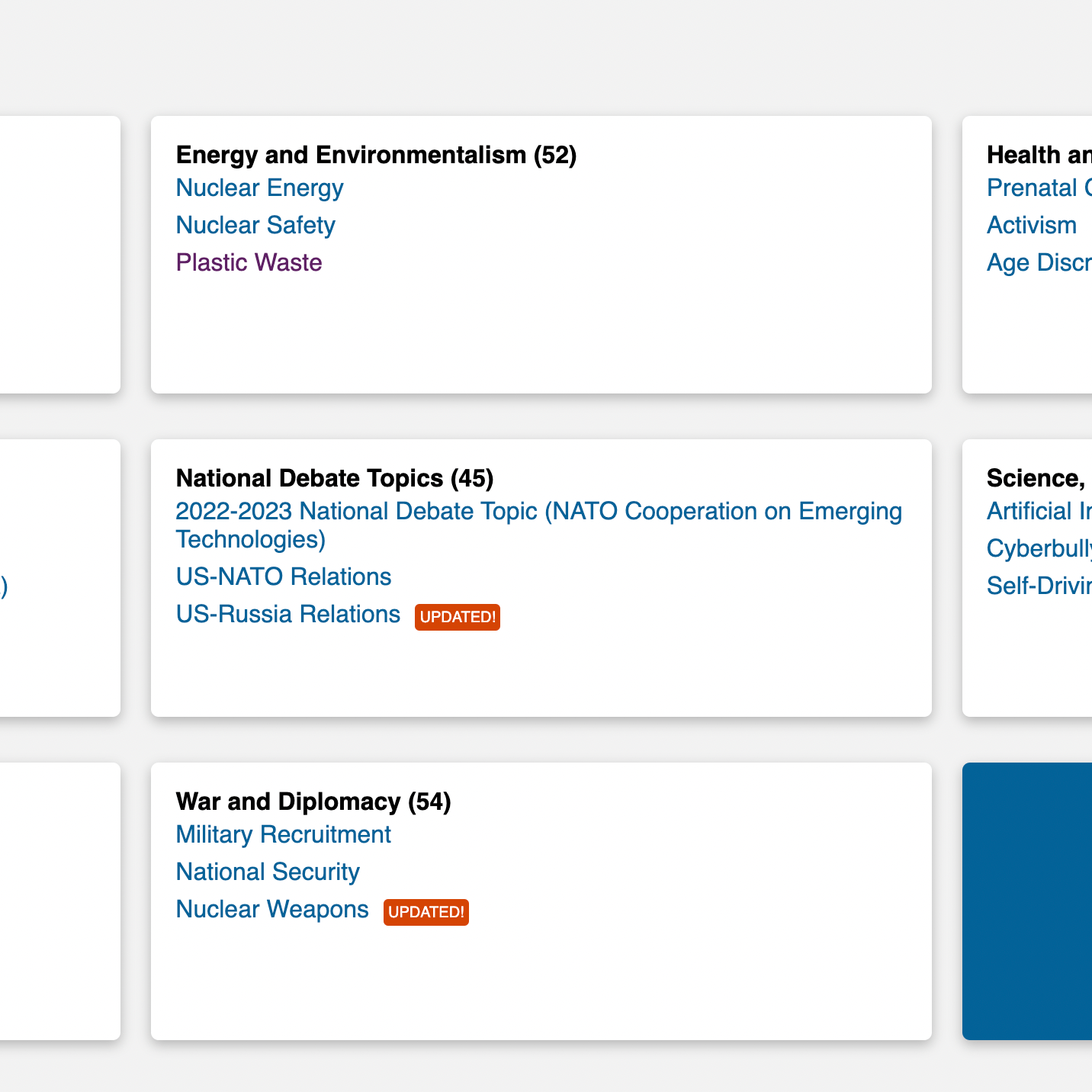
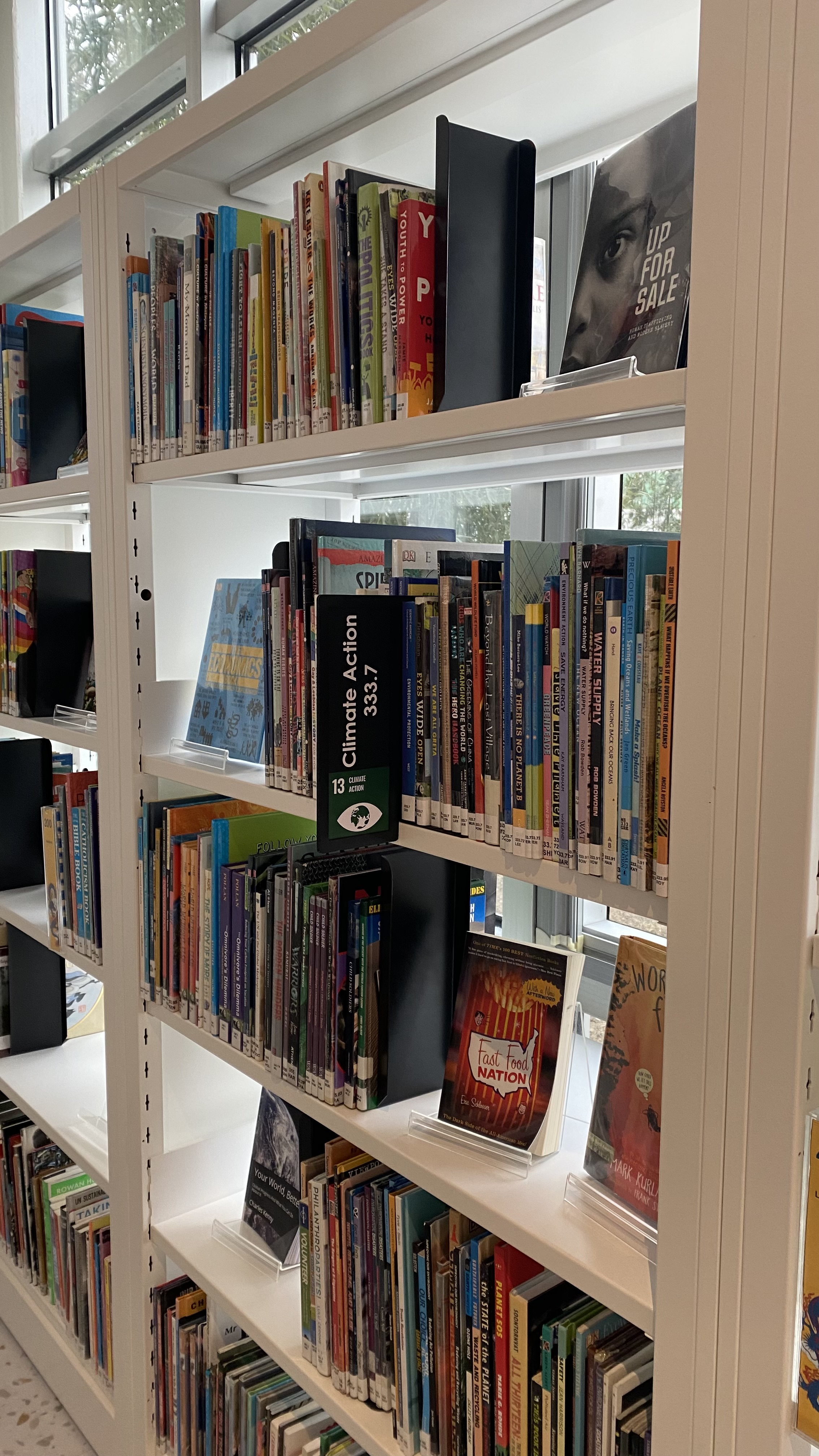
But for us the most important part of our nonfiction besides tying into the curriculum is that as a school we support the values of the United Nations SDGs (Sustainable Development Goals – or Global Goals) and it was always really hard to find the many many books we have related to the goals, because once again, they were everywhere except where you expected to find them.

And in order not to traumatise any future librarians taking over my library (I’m leaving in June) and to soften the hysteria of any traditionalists in love with DDC we decided to try and match the 17 Goals as closely as possible to existing DDC numbers which meant locating them in the 300’s section.

Of course DDC predates the 17 goals by quite a lot and so the numbers of the goals and those of the classification are a bit higgledy-piggledy so this is where we landed up:

  • GOAL 1: No Poverty – 362.5 Poverty
  • GOAL 2: Zero Hunger – 363.8 Hunger
  • GOAL 3: Good Health and Well-being – 305 Health & Well Being (including subject headings for meditation, mindfulness, emotions & feelings, healthy living, physical fitness and 305.1 Puberty & Sex Education)
  • GOAL 4: Quality Education – 370 Education
  • GOAL 5: Gender Equality – 305.3 Gender equality & feminism
  • GOAL 6: Clean Water and Sanitation – 333.91 – Clean Water & Sanitation
  • GOAL 7: Affordable and Clean Energy – 333.79 – Clean Energy
  • GOAL 8: Decent Work and Economic Growth – 331 Labour Economics
  • GOAL 9: Industry, Innovation and Infrastructure – 339 Industry, Innovation and Infrastructure
  • GOAL 10: Reduced Inequality – 305.9 Inequalities within and among countries
  • GOAL 11: Sustainable Cities and Communities – 307 Sustainable cities & communities
  • GOAL 12: Responsible Consumption and Production – 339 Responsible consumption & production
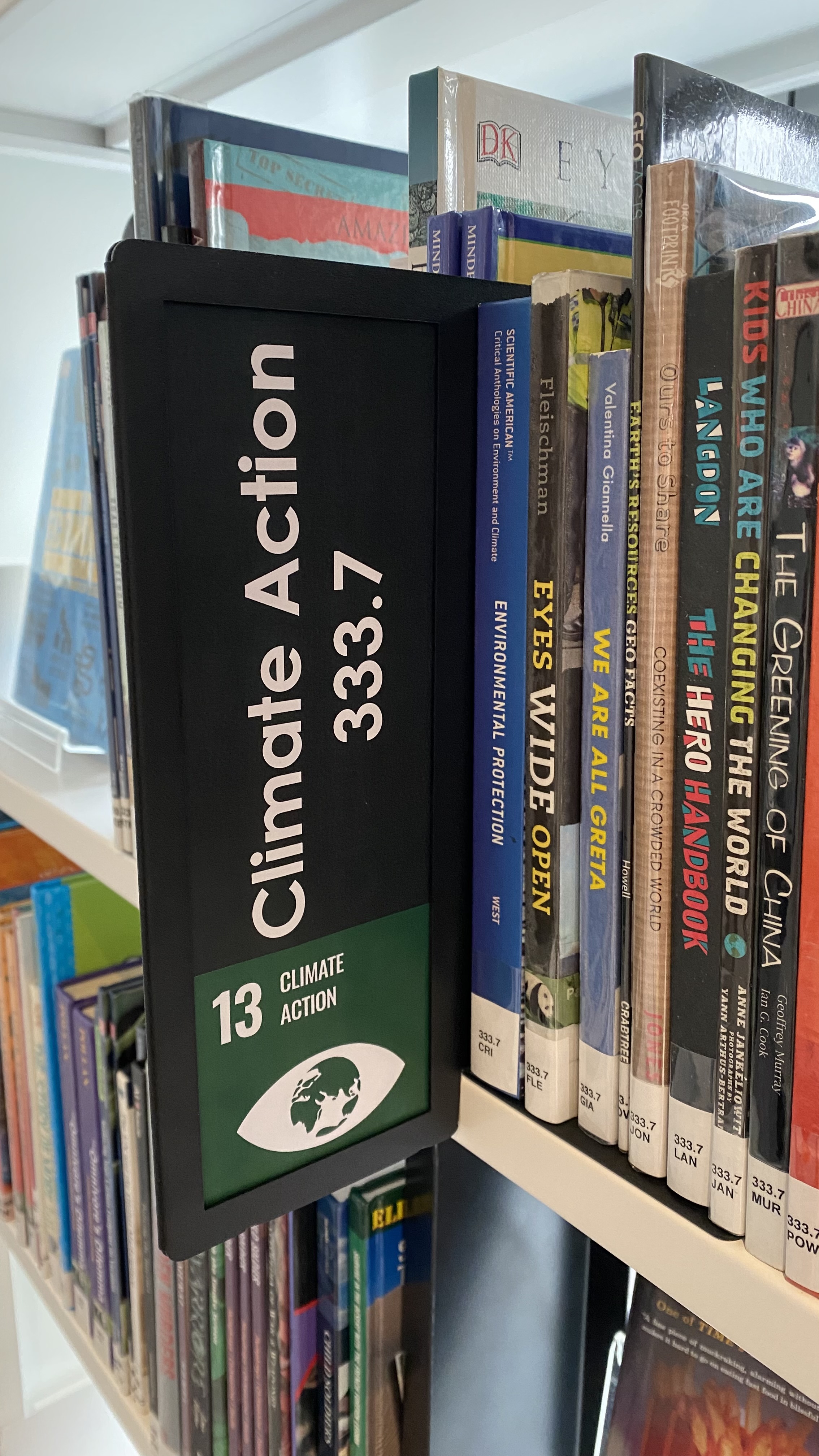
  • GOAL 13: Climate Action – 363.7 – Climate Action environmental problems, including waste/trash/recycling, pollution, global warming
  • GOAL 14: Life Below Water – 363.73 WATER Environmental problems related to biological resources (water)
  • GOAL 15: Life on Land – 363.73 LAND Environmental problems related to natural resources (land)
  • GOAL 16: Peace and Justice Strong Institutions – 325 Refugees / immigration civil war, genocides, child soldiers, SDG: peace, justice and strong institutions
  • GOAL 17: Partnerships to achieve the Goal – 327 International Relations

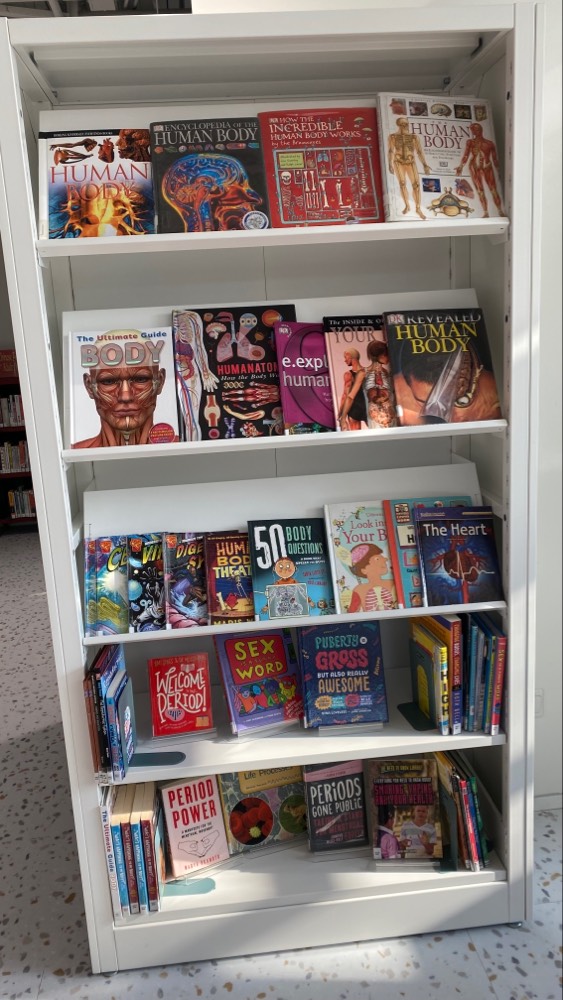
A couple of things that were difficult to separate out were things like whether to put the scientific solutions to energy / climate / environmental problems in with the related goal DDC which mainly dealt with the sociological and problematic issues or to put them with the related scientific section – in the end, because our Individuals & Societies curriculum deals with the problems and our Science Department with the Science (although through IDUs and collaboration they often are combined) we decided to separate the more “science” books from the more “social” books. We also do some units on Human Body systems – biological – including reproduction so we put the puberty from a biological standpoint in with Biology (572) and the social emotional aspects in Health and Well-being (305.1)

Another section that really bugged me was Myths and Legends and Fairytales – since our G6’s were doing a beautiful new unit Stories worth Sharing “Creating and sharing stories teaches us about our relationship with the natural world and our role as lifelong caretakers of our planet.” that was an impetus to pull out the whole section and give it its own area in the library and split the section and subsections to better reflect the international nature of the stories and with a separate number in each instance for China (not just under Asia) as that’s where we’re located:

  • 390 Customs, etiquette, folklore
    • 393 Death Customs
    • 394 Chinese traditions
  • 398 Myths, legends and fairy tales
    • 398.2 Myths and legends
    • 398.21 Myths of Asia
    • 398.22 Myths of China
    • 398.23 Myths of Europe
    • 398.24 Myths of Greek
    • 398.25 Myths of Americas
    • 398.26 Myths of Africas
    • 398.27 Myths of Australia / New Zealand
    • 398.28 Myths of Others (mix)
  • 398.3 World fairy tales (famous tales)
    • 398.31 Grimm fairy tales
    • 398.32 Andersen fairy tales
    • 398.33 European tales
    • 398.34 Asian fairy tales
    • 398.35 Chinese fairy tales
    • 398.36 Americas fairy tales
    • 398.37 African fairy tales
    • 398.38 Australia/New Zealand fairy tales
    • 398.39 Other tales (world tales)

A few of the other things we did were to put domestic animals in with mammals (599) and to keep the 600’s for applied sciences – including engineering, inventions and innovations (another of our units) and our very nice collection of cook-books. They’re now getting much more attention.

We’ve also created a master document of the changes we made and in each instance also put in the suggested subject headings that would go with the classifications – because otherwise with all different people and systems doing cataloguing your subject headings tend to just expand and expand. Looking back at Kelsey’s latest post this aligns a bit with what she was writing about in Dewey Ditch #3: Trying a BISAC Hybrid except her post came up after we’d completed our massive undertaking!

Our purchasing department got us some very nice signage where we can make our own inserts.

Of course as we went along we found gaps in the collection and we also did a HUGE weeding exercise so now the collection is tighter and more relevant both to our curriculum and to the interests of our students.

This is not an exercise for the faint of heart – it took all our staff every spare minute they had when not cataloging or processing or doing their general library tasks plus a lot of discussion and thinking. But it will breathe a new lease of life into your nonfiction collection and increase circulation and interest.

I’m fascinated to know what choices other MYP librarians in particular have made, and also any schools that do a lot of education around the SDGs.

Megatrends shift and response

The below quote is the first thing I read this morning. I must admit to feelings of sadness and anger and frustration this past week as I completed my last 7 days in quarantine in home isolation. Received beautiful pictures of my daughter who I haven’t seen for more than a year now. Was subjected to the most invasive nasal covid test I’ve had in the last month. Waited an additional day for my codes to go green to be released. 695 hours in some form of quarantine or another this month. (warning no pictures!)

“The best thing for being sad… is to learn something. That is the only thing that never fails. You may grow old and trembling in your anatomies, you may lie awake at night listening to the disorder of your veins, you may miss your only love, you may see the world about you devastated by evil lunatics, or know your honor trampled in the sewers of baser minds. There is only one thing for it then — to learn. Learn why the world wags and what wags it. That is the only thing which the mind can never exhaust, never alienate, never be tortured by, never fear or distrust, and never dream of regretting.” T.H. White The Once and Future King (From James Clear 3-2-1 newsletter)

But, I try not to blog when I’m sad, but turn to learning as suggested in the quote above. And this morning’s learning and a meeting last week got me thinking and inspired again.

As the teacher elected representative of our school board, I was privileged to attend some EARCOS Board Governance training with Marc Frankel and Abigail DeLessio this Saturday and last. In addition last week I attended the Charles Sturt Course Advisory Committee meeting of which I’m also a member. Both touched on the changing nature and environment of education / International education, the latter in particular on the role of educating future librarians in this changing environment.

The last time I’ve felt quite so impassioned about something to do with my profession, is when I wrote the blog post “Advocacy is not enough we need power” to date, still one of the most popular of my posts (save that on online learning not being new shiny things mid Covid) Today I want to talk about the Mega Trends in International Education and what those mean for us in the role of Teacher Librarian and make some suggestions on what potential responses could look like.

DeLessio and Frankel identified 6 shifts:

  • from expats to locals
  • from Anglophone to everything else
  • from West to East
  • from Monism to Pluralism
  • increasingly diverse student population
  • post 2020 new normal (VUCA – volatility, uncertainty, complexity, and ambiguity)

and as an antidotes to the megatrends “Need for more culturally literate and savvy school leaders and teachers”

I’d suggest that cultural literate and savvy is not nearly enough, we need more diversity in school leaders and teachers, but that’s just part of the solution.

What do these shifts mean for us as teacher-librarians? Our profession, like so much in education is overwhelmingly white, female and English speaking (present company included). If we are to remain relevant generally as a profession and specifically in our own school contexts, where chopping the role of the librarian or combining it with an Edtech, curriculum coordinator or english-teacher role is a familiar pattern, we need to be part of the solution. And an indispensable part at that. I see us doing this in four initial ways

  • Language – English
  • Language – other
  • Center of belonging
  • Mentoring & creating the future

Language – English

As an expat parent newly enrolling her offspring into their first international school 15 years ago, one of the most sensible things someone said to me to adjust my expectations was “you’re not paying for the best education for your children, you’re paying for and English language education for your children in a non-English language environment”. It’s something I’ve had to revisit and remind myself – particularly when my eldest decided that wasn’t enough for her aged 16 and 7 international schools later, and found for herself the “best education” suited for her interests and ambitions and set off for boarding school.

How can we pivot that for schools in general and for libraries in particular?

🎓 Well, we have got to prepare to give the first two elements of the shift (more local students and more non-anglophone students) the best possible experience in adjusting, learning and thriving in an English language environment. We need to have the best possible EAL/EAP (English as an additional language; English for academic purposes) programmes and teachers. We also need to make sure that we don’t just pay lip-service to the creed “every teacher is a language teacher”. All our teachers in every subject need to have a game plan for catering for 20-80% of a class who may not be able to follow what they’re saying / writing / asking for. Is our language education philosophy, pedagogy and professional development keeping pace with our admissions policy?

📚 In the library we need to make sure we have very robust book collections that do not in any way patronise language learners. That do not confuse language learners with learners and readers with reading deficits. And in the international context, sensitively purchase collections that suit our populations – I can comfortably say that they are generally not “USA-inner city youth with drug, sex and broken family issues protagonist” that are the trope of the average hi-lo book. We also need to respect the fact that the person in front of us already masters at least one if not more other languages. So we need to have a robust selection of books in languages other than English or ideas on how to access them (LOTE is the term that used to be used – here is my rather old article on building a LOTE collection). We also need to provide access to other resources in a multi-modal (visual, spoken, video, written) and multi-level entry point.

👨‍👩‍👧‍👧 We also need to really educate our parents and guardians from our youngest learners and every year upwards on language acquisition and the importance of home language in the development of additional languages such as English (apologies I could only find a very “beige” family icon for this). You need to help If you search this blog for “language or bilingualism” you will find countless of my posts over the years on this subject. We also need to have them as our collaborators in the library and reading space so that reading for pleasure and research is valued as much as math worksheets.

Language – other

🎓 As the parent of bilingual kids in a bilingual household I have some very big opinions (backed up by both extensive research and personal experience) on support for home or additional languages in International schools. While I respect all languages, and have done my own best effort in learning the language of each of the countries I’ve lived in, I do have to question why Chinese, Spanish and French remain the stalwart of international school’s language offerings when (at least in China, Hong Kong and Singapore where I’ve taught / lived ) Chinese (Putonghua or Cantonese), Korean, Japanese, and Hindi are probably the most common home languages. Yes demographics change – (witness the huge collection of Finnish and Swedish books in my school library) but I wonder three things –

  • why don’t we offer the languages of our majority minority students instead of these European languages?
  • Why in the IB (except for the host country language) does “self-taught” language start only in the last two years?
  • And why does it have to be in Literature and not Language and Literature and taught at a first language level, rather, than, as is the case for many of our students as language acquisition or “heritage” language level? Is anyone giving the IB any pushback on this?

📚 Learning another language is mentally and emotionally draining. Our English language learners need to be able to retreat back into their home languages, and we need to be able to support them. Given budget constraints this may have to occur in creative ways besides having a large collection of books such as

  • curating resources such as podcasts, videos, TV shows or movies in that language (bonus you’ll need to engage parents who speak the language to do so, and in so doing will increase community sense of belonging)
  • finding and facilitating access to libraries and eBooks in their home country or countries where this is the dominant language
  • acting as a bridge between students in different sections of the school who speak that language – role models of older students are incredibly powerful

👨‍👩‍👧‍👧 Showing parents we value their language (particularly “low status” languages – a whole minefield) will hopefully contribute to them having less anxiety about ditching the language at the alter of high status languages such as English. A solid base of home language will support language acquisition.

Center of belonging

🎓 I had several “sense of belonging” conversations in the past 3 days. Mainly from people who felt left-out or not part of larger wholes where they should have been nurtured and made to feel welcome.

We’ve just welcomed a whole cohort of ex-elementary school students into the middle school plus those very special and scarce species – new students and teachers who have run the gamut of international travel and quarantine. But how can we make sure they feel they belong? There are still pockets of monism in the pluralism and diversity of students. And as Danau Tanu explains in her book “Growing up in Transit” belonging is complex and political in International Schools. From what I see, affinity has not yet broken out of language or national boundaries to common interests or passions. That’s a slow process that needs – what? I don’t have any easy answers for that.

📚 In my work with the “Blokes with Books Club” in my previous school, I experienced the huge importance of social belonging in reading and learning. Can we generalise and use what we know about belonging to ensure that’s central to our culture in the library. I’m currently toying with the idea of riffing off the work I did there in primary and creating a “Belonging with Books” club that is non-gender specific. My annotated bibliography from that research can be found here.

👨‍👩‍👧‍👧 Previously one could have parents at school, and in the past I’ve run very popular and successful parent workshops on everything from learning to read, reading to learn, supporting bilingualism, research, information literacy etc. How do we maintain that positive sense of community and belonging when parents are not physically present at school?

Mentoring & creating the future

To misquote Toni Morrison’s “If there’s a book that you want to read, but it hasn’t been written yet, then you must write it. If we cannot find, we must create. I don’t think we can continue to hide behind the difficulty in finding diverse faculty and librarians. I think we must proactively create them, and the sooner the better.

🎓 One of the mentioned significant challenges mentioned in the training this morning was recruiting staff and getting them visas. Very often international schools have excellent teaching assistants, often with postgraduate degrees. Considerable barriers stand in the way of them being “allowed” to teach. These include parental perception and bias; dual compensation and benefit structures; recognition of qualifications; language fluency and the lack of any defined pathway. I know of at least two instances of fantastic teachers who left China to work at international schools abroad and then came back to China after a gap of a few years and were snapped up by top tier international schools. This avenue is not one that is easily accessed given the covid situation and perhaps even family circumstances / appetite for travel and risk. So we need to ask ourselves how could we create pathways for local and diverse faculty? What lobbying efforts can occur to make the list of “English speaking countries” include countries such as the Philippines and India?

📚 I’ve had an “interesting” year of prolonged physical absence from my role this year. A lot of the “on the spot” work has been done by my library assistants and technicians under my remote guidance. Personally I benefitted greatly from the initial – during my studies – and continued mentorship of Katie Day. Some library networks have Job-alikes for library assistants. Some have programmes of continuing education. Unfortunately the path to becoming a librarian still is an extremely expensive one, particularly if you’re not in a country that has subsidised places in an accredited library programme. And like all “protected” professions we’d prefer that our jobs are not taken by unaccredited para-professionals. And yet, I still think we need to do our utmost to identify and mentor high potential diverse colleagues of the future. And lobby for affordable accreditation pathways.

What do you think? I’d love to hear some more thoughts on this and to have a real discussion!

It’s still not over…

Quarantine D24 (14+7+3)

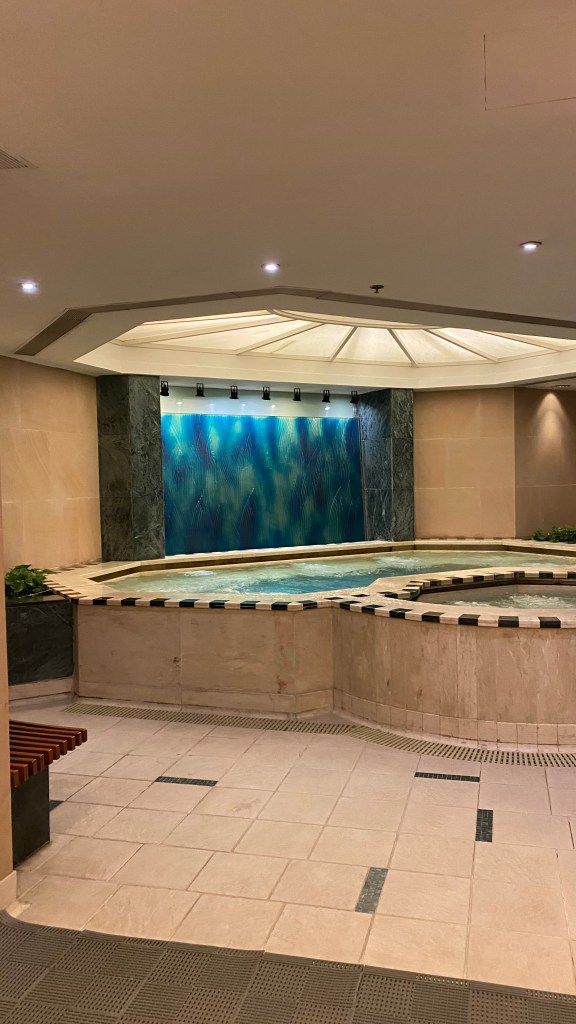
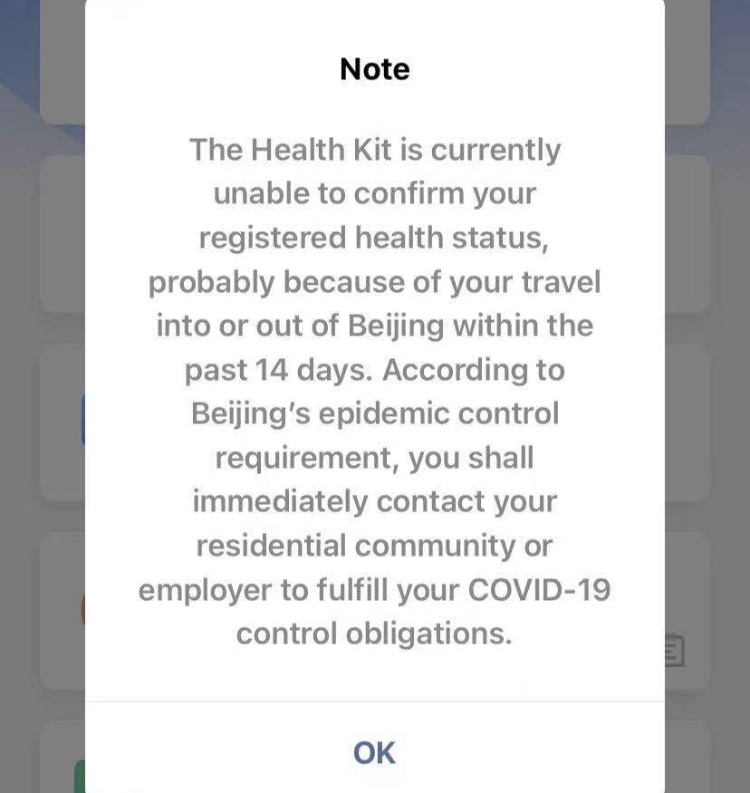
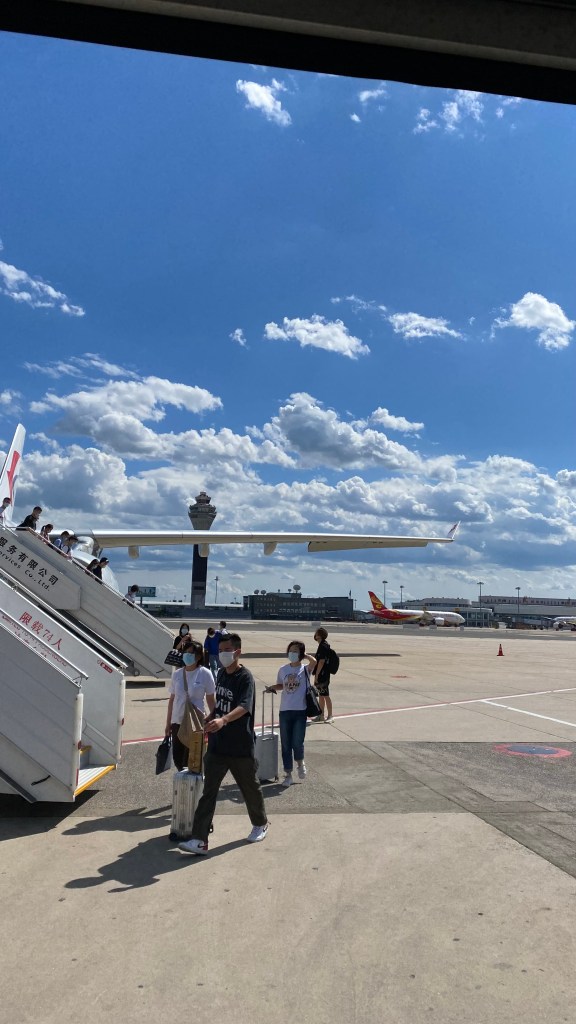
So I took a break from blogging and broke my streak. It was a combination of not having much to say as I was pretty much just working, and the fact that things turned quite pear-shaped on D21 when my otherwise perfect trifecta of health-codes hit a wobble as my Beijing Health Kit refused to work. I’d half expected this, as it happened to a colleague who lives in the same housing complex as I do. For some reason they’re deeply into the lock-down mentality. So this entailed booking an extra night hotel (at 40% more expensive as I was just too tired and fed up to move hotels) and rebooking a flight for the next day – 50% surcharge as I was not prepared to go to the airport at 9pm with my luggage and try to check in and be refused just to get a piece of paper to say I’d been refused boarding so that the rebooking was “involuntary” Oh and I did get to use the jacuzzi and freezing plunge pool at the hotel thanks to a late night swimsuit mission with a friend. Felt very Wim Hof-ish briefly, before feeling pissed and hard-done by..

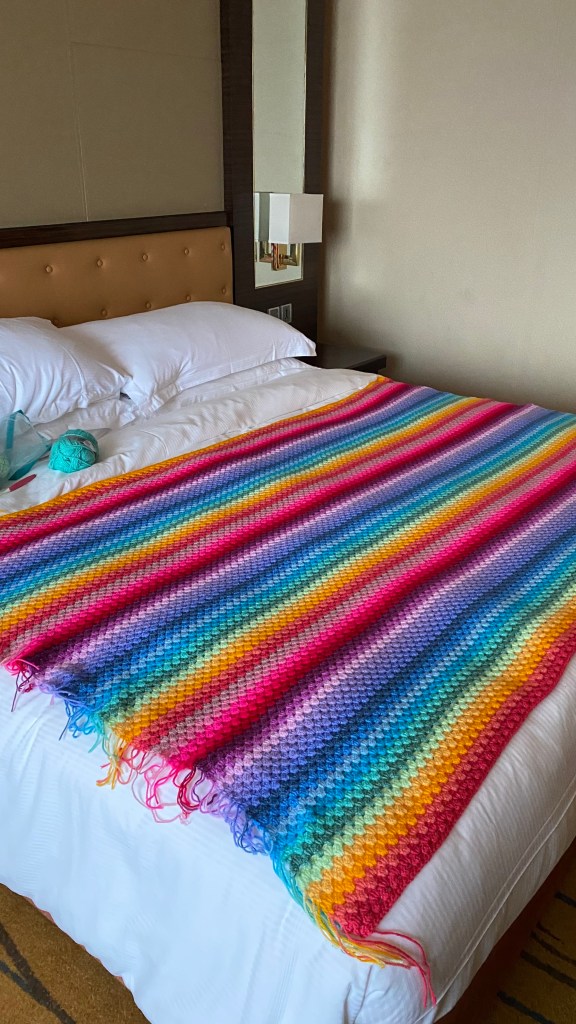
Anyway, the streak of bad luck continued with yet another (about the 4th) flight change / cancellation, needing to pay excess luggage (which didn’t happen to any of my colleagues) and that I need to be locked up in my own home for a further 7 days with a magnetic lock that gives an alarm if I open the door. And another 2 covid tests in store. I do not have covid. I have never had covid. There is ZERO chance of me getting covid. and my right hand is bugging me – I think a combination of crochet and too much computer use again without my standing desk.

Positive things? Friends who popped by and spoke to me through the window. And brought me batteries since all my aircon remote batteries had died and none of my old aircon’s work manually. The fact that I impulsively bought a 2nd hand treadmill just before I left for the summer so I can at least do some walking. And my home is at least my home – albeit missing people.

Weekend in Shanghai

Quarantine +7 Day 3&4

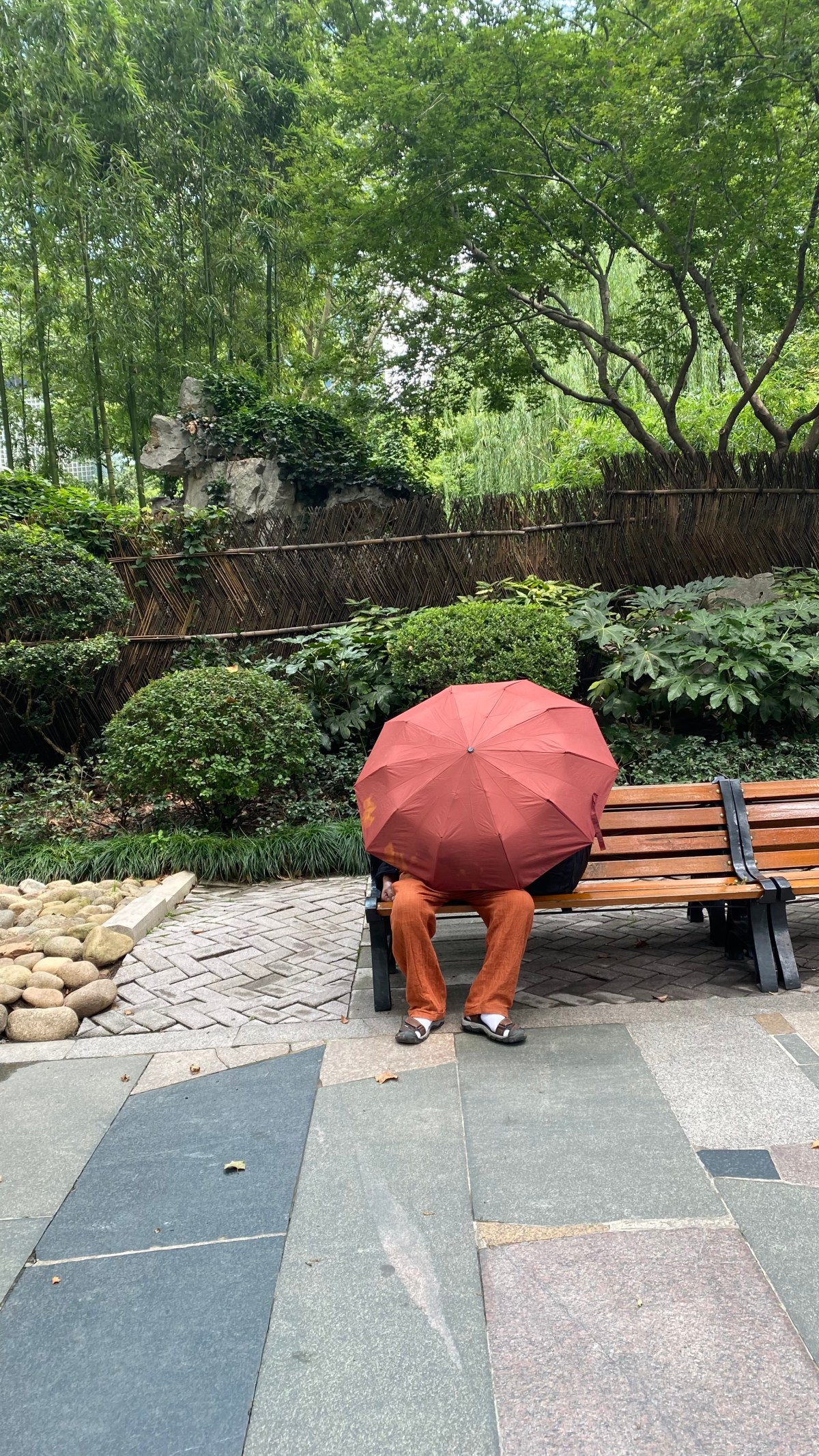
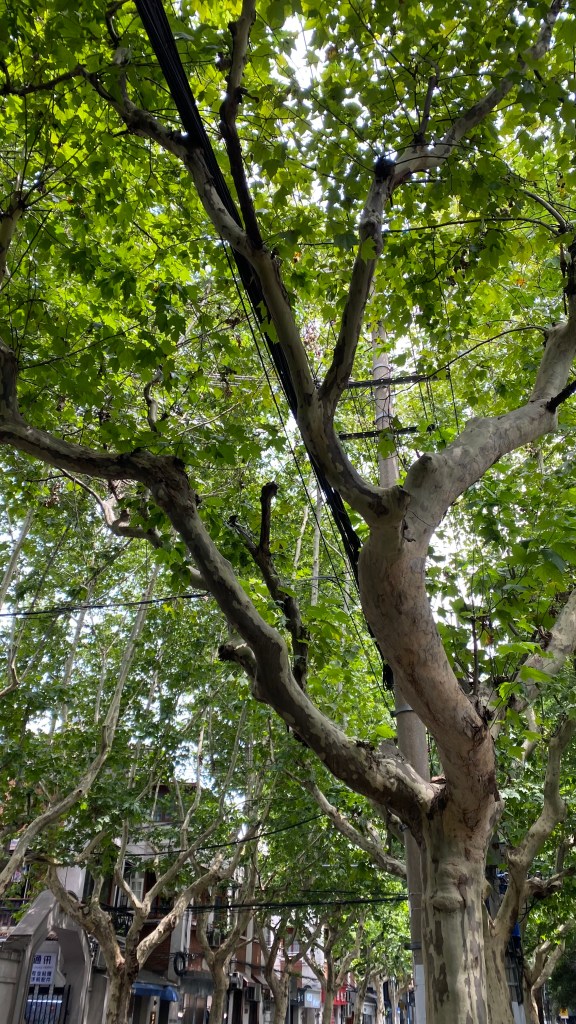
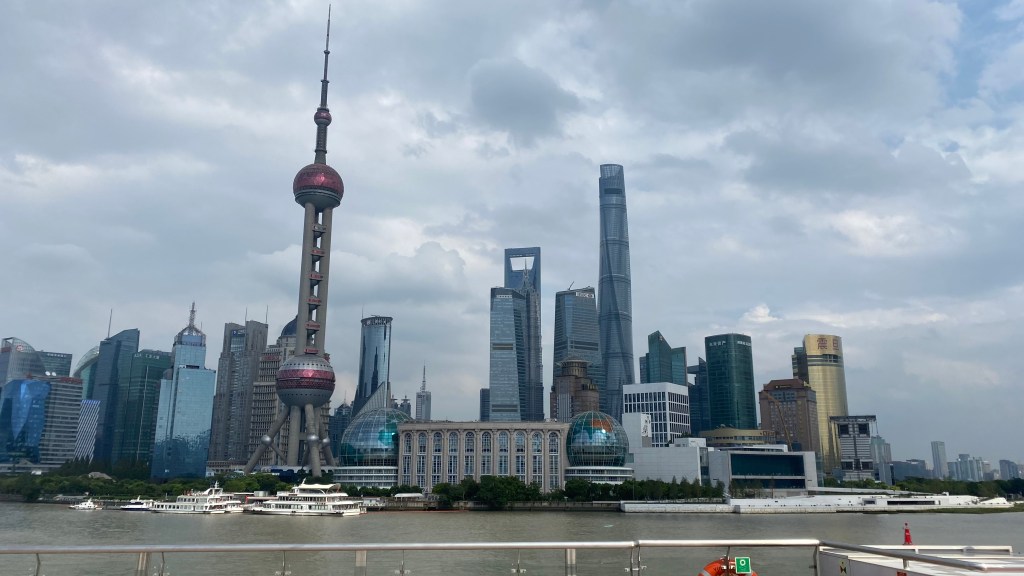
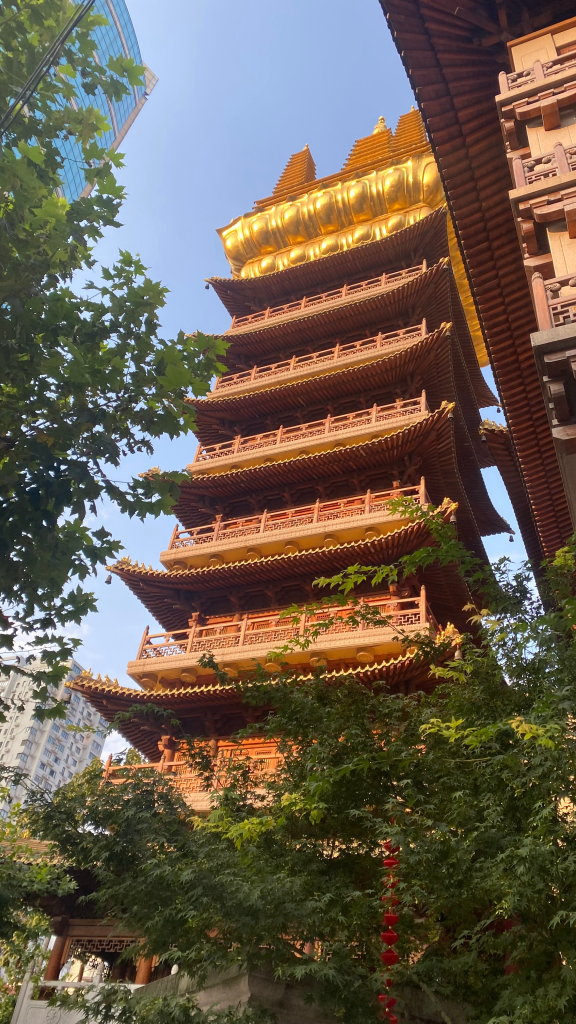
I managed to limit work to a few hours this weekend, and do a bit of sightseeing. I’m cognisant of the fact that it may be a while before I return given the current restrictions on travel. Saturday saw me depart for a long walk from my hotel to the Bund, taking in all the sights and sounds along the way. It was hot and humid and a lot of the architecture and ambiance reminded me of a flatter, bigger Hong Kong.

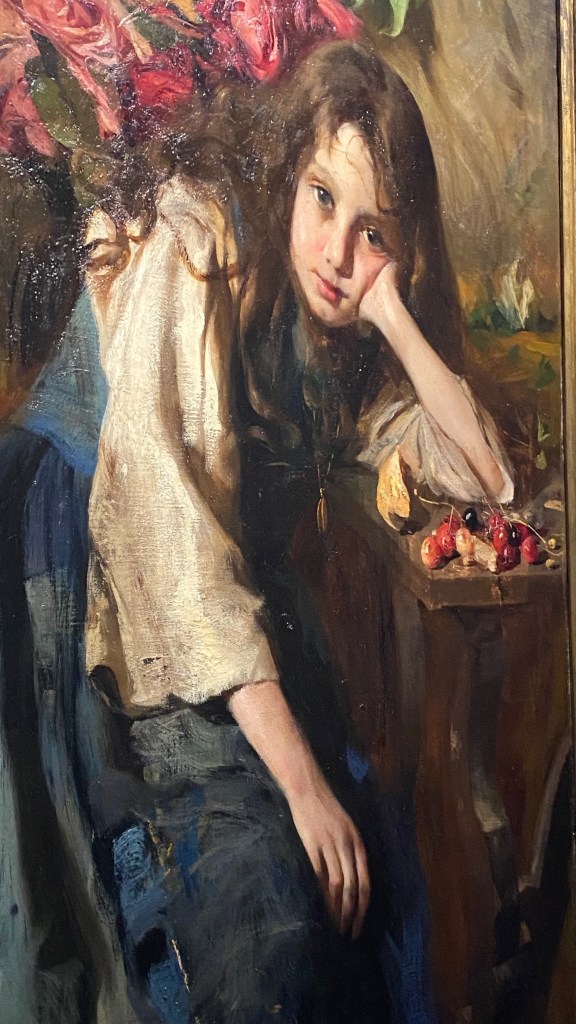
Finally when I could barely take any more, I stumbled on a Raphael exhibition and much enjoyed cooling down while looking at the spectacular art – which was more a quick overview of art from the renaissance, baroque, and romantic ages. There’s something to be said for a small exhibition, well curated and labeled. Having spent a lot of time in the museums of Europe, it all does become super overwhelming and you lose the trees for the wood.

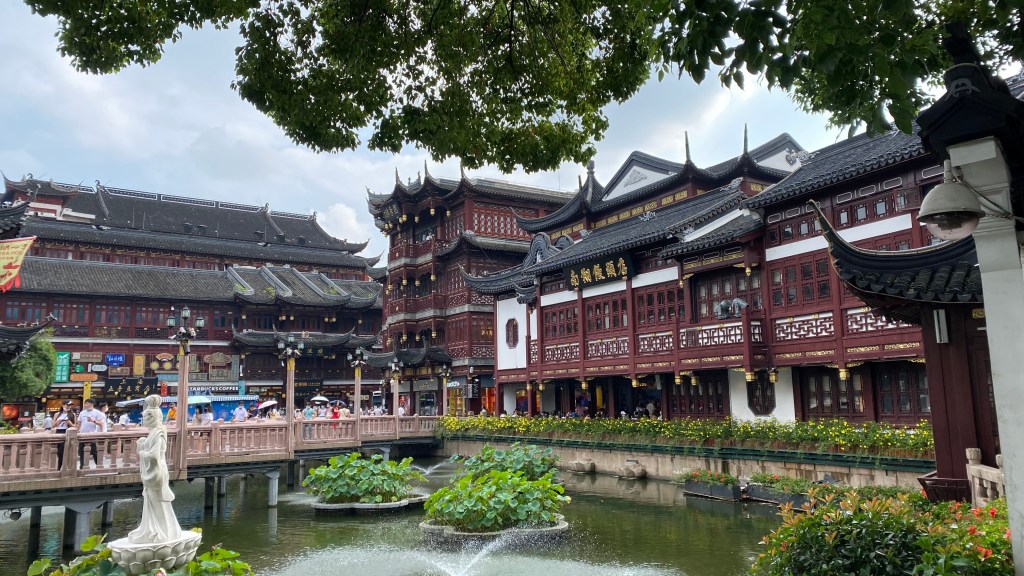
Next up was a boat trip on the bund, followed by a stroll around the Yu Yuan “ancient” market which very much resembles the “ancient” markets in many other historic / touristic cities.

More walking around the historic centre and then dinner with 5 of my fellow quarantinis – all interesting and fun people.

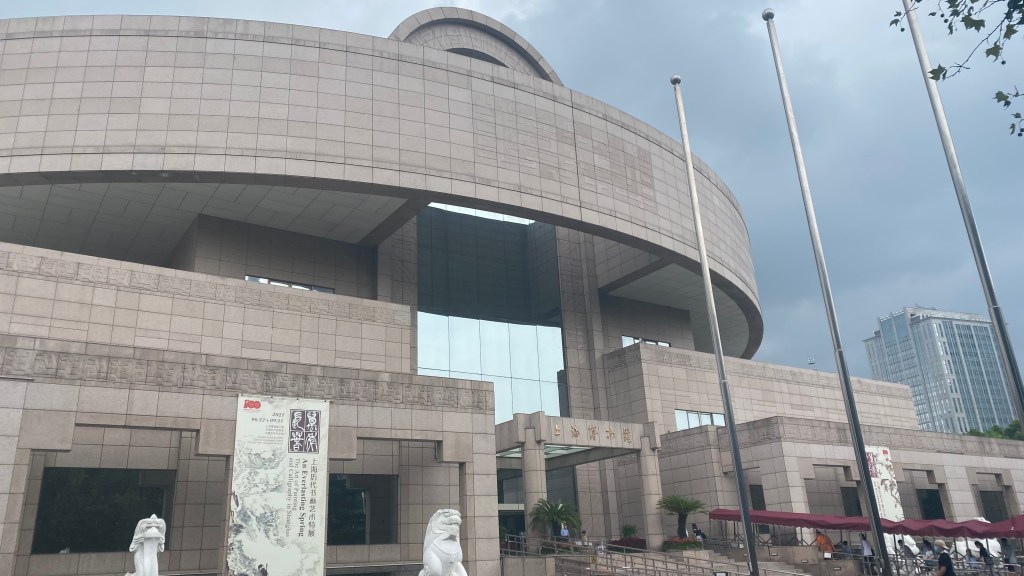
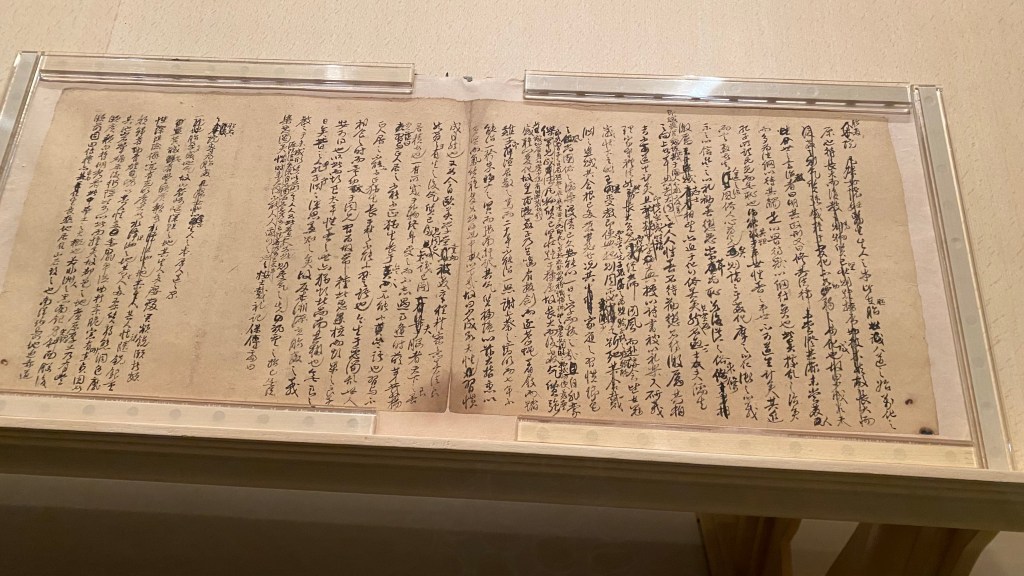
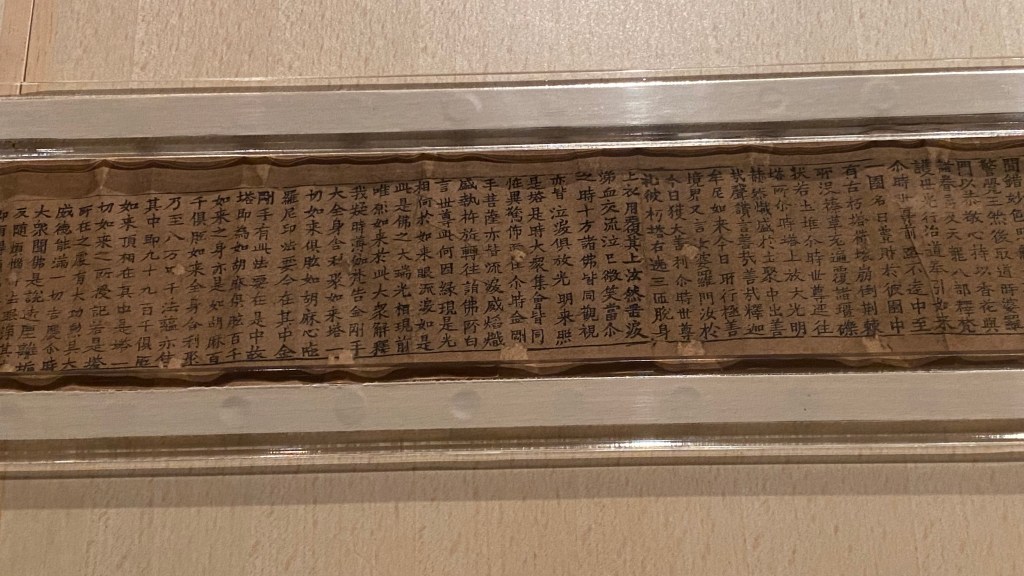
Today was the turn of getting into the Shanghai Museum as yesterday I couldn’t get in without a reservation. Some gorgeous calligraphy and brush paintings – such a contrast between the idea of what constitutes a portrait in Western vs. Chinese art. And of course that amazing feeling you get when you see a scroll from 975 and can read (some of) the characters. And envy the penmanship.

Can Shanghai redeem itself?

Quarantine +7 Day 2

Today was one of those days. I’d walked past a recommended clinic on Thursday to check where to have my D16 covid test and was referred to a local hospital. So I left nice and early at 7am to get it done before work. It was walking distance so I was keen to get a few steps in.

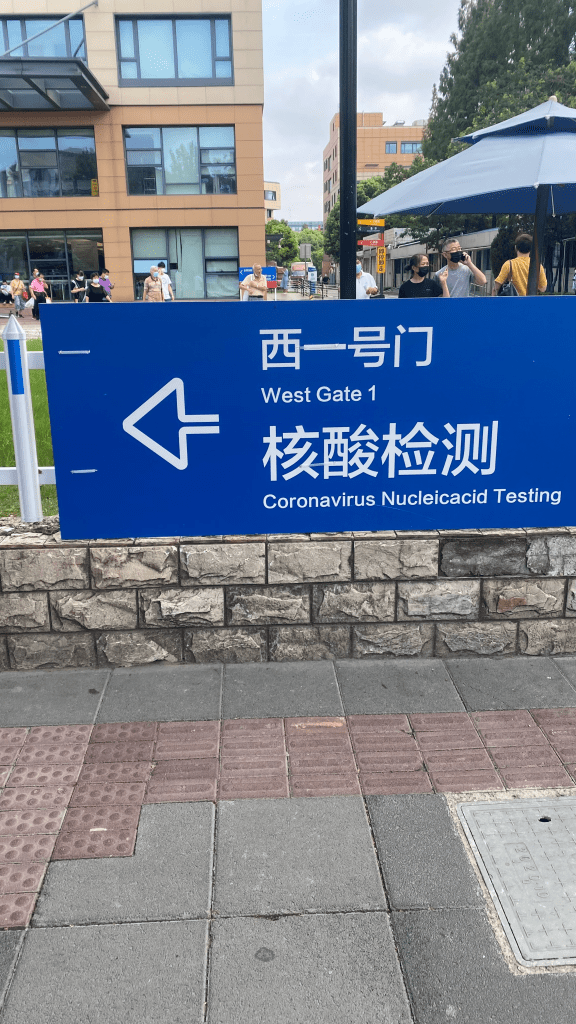
Then the comedy of errors began. I went to the test prefab (they’re all in prefabs not in the main hospital), no I needed a red card, I had to go and register. Then for the next hour I went up and down stairs – up to pay – no you need to go down to get a slip of paper first, down to 1st floor to get the paper, then up to register, then down to get a red card, then up to pay, then down to get a code. Now this all seems fairly straight forward except people in Shanghai (let’s not generalise and just say, people in Shanghai at that hospital early in the morning) are incredibly rude and pushy but the standards I’ve become used to in Beijing. Queues are non-existent – there is the illusion of them but people just butt in and stand in front of you! Even if you’re at the front of the queue, talking to someone, and they have your papers and passport in front of them, someone else will come up from the side, push their papers on top of yours and talk over you. And this didn’t just happen once – it happened the whole time. Fierce stare and strong “对不起!got more than adequate practice. So then feeling a tiny big smug having navigated all of that, off I went back outside to the prefab. They took my red card, gave me a QR code for the test and I sat down on the testing chair. She got the nose pricker ready. Looked at my card, looked and my passport and said – “no, you go”. Go where? – “go back inside for testing”. So I went back inside, back into virtual queues, found someone who found someone else who told me the hospital didn’t test people like me on their D16 test. So back to the rigamarole to get reimbursed because they weren’t going to let me leave without getting my Y80 back. So, where to go? You must go to xxx hospital. It was also walking distances, so off I went. Luckily they didn’t even let me join the queue and said they didn’t test my type at that hospital.

At which point, I contacted a colleague who’d had a test done at a place 30 minutes away from where I was, and got the details and hopped into a didi. Joined a huge queue and practiced my newly acquired Shanghai skills by jumping the queue, not immensely, just about 1/3 closer to the entry than I should have. No-one complained. Another hour later (all the while, as I’m at T+2 hours, in a meeting that had begun learning about child safety on my phone) I was tested with the most gentle possible way. In fact the most gentle test I’ve had since this escapade began.

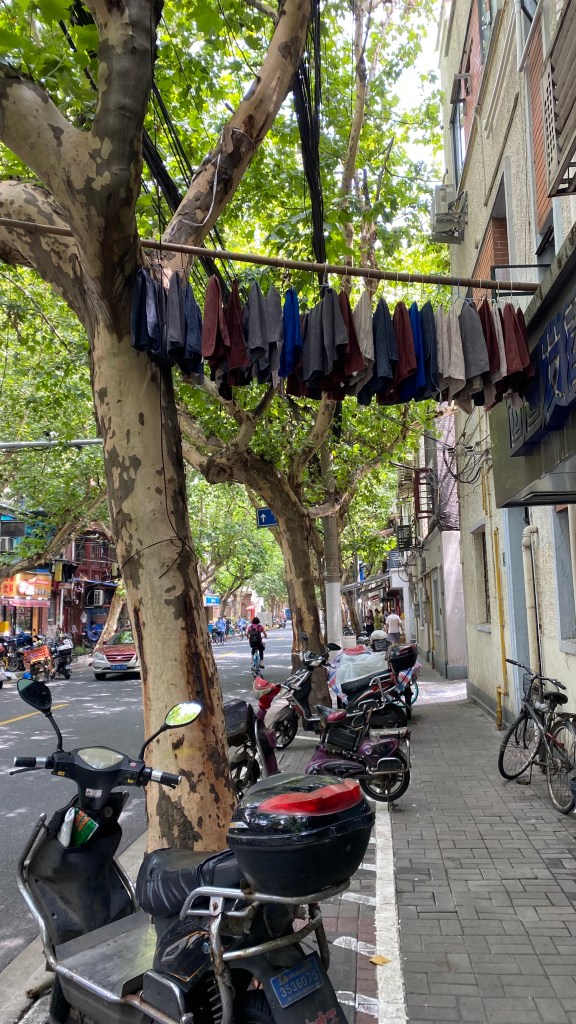
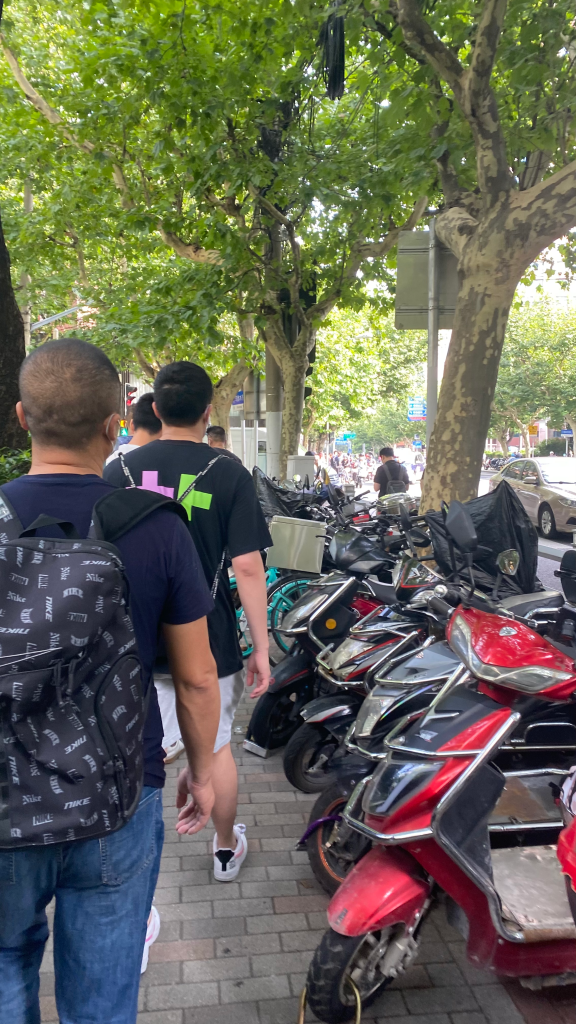
The other thing I’ve noticed – they’ve eliminated walking space on the pavements here – they’re all taken up by bicycles and motorbikes. That’s all well and good if you’re fairly even-footed and nimble – but outside a hospital it’s pure chaos as people on crutches and in wheelchairs are incapable of getting from point A to B without considerable assistance, and then at a very slow pace. And there is construction everywhere. Really everywhere.

The whole testing thing took a total of nearly 4 hours! Luckily I could attend my training virtually.

The rest of the day was pretty busy with start of year stuff and in the evening I walked to dinner with a bunch of people I’d never met. That is one nice thing about social media and friends of friends. I’d gotten in contact with an ex-Beijing member of our knitting group who now lives in Shanghai, and she invited me to dinner with 14 other people. It was a 40 minute walk from my hotel, and as you all have guessed if there’s one thing I need to do, it’s get some steps outside in.

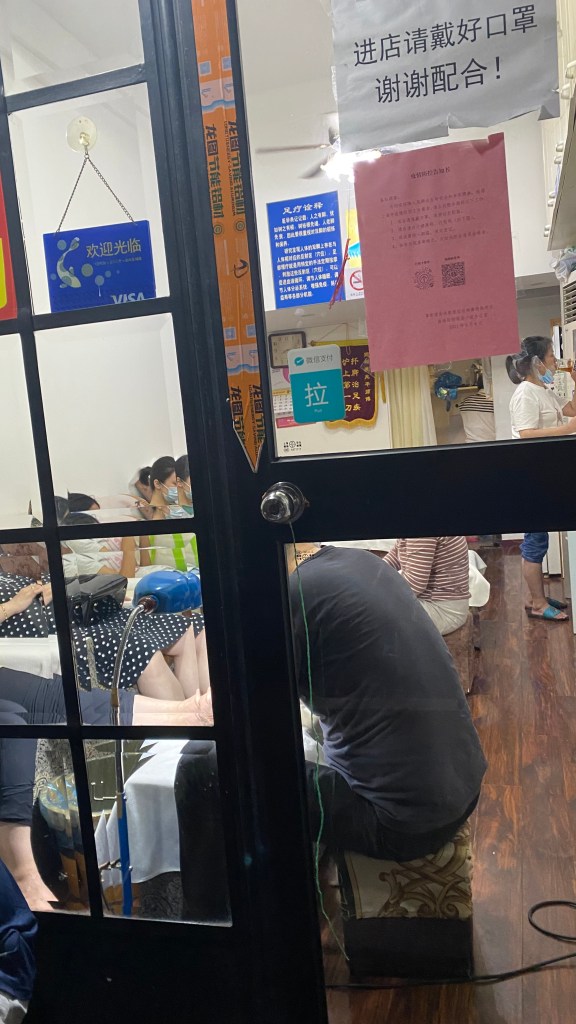
I had a great walk through the neighbourhood, stumbled on a “hole in the wall” place that gave me a fantastic foot massage, and my first experience of hearing 上海话。Something I’d learnt about in one of the chapters of my first chinese text book 16 years. It was literally a case of 听不懂。But a good opportunity to practice my chinese asking the masseuse if it was 上海话 and that’s the reason I didn’t understand anything. Foot massage is WAY cheaper here at Y70 for an hour, as opposed to the Y120++ in Beijing. And she gave a great one.

Dinner was fun, meeting a bunch of young people with some interesting stories, including one with the most fabulous steam punk tattoos (tempting!), and a passion for climbing volcanoes in the area which is currently on hold due to you know what. Did you know China has volcanoes?

So Shanghai started to redeem itself. We’ll see today and tomorrow when I actually have some time (even if I could / should do more work I’m talking the weekend off) to walk around and enjoy.

It ain’t over…

Quarantine +7 Day 1

Freedom is a relative term – today I was surprised in the middle of a meeting by someone who actually wanted to come in and clean my room! After so many weeks of isolation it felt weird. And I could go out for a quick walk at lunch time …

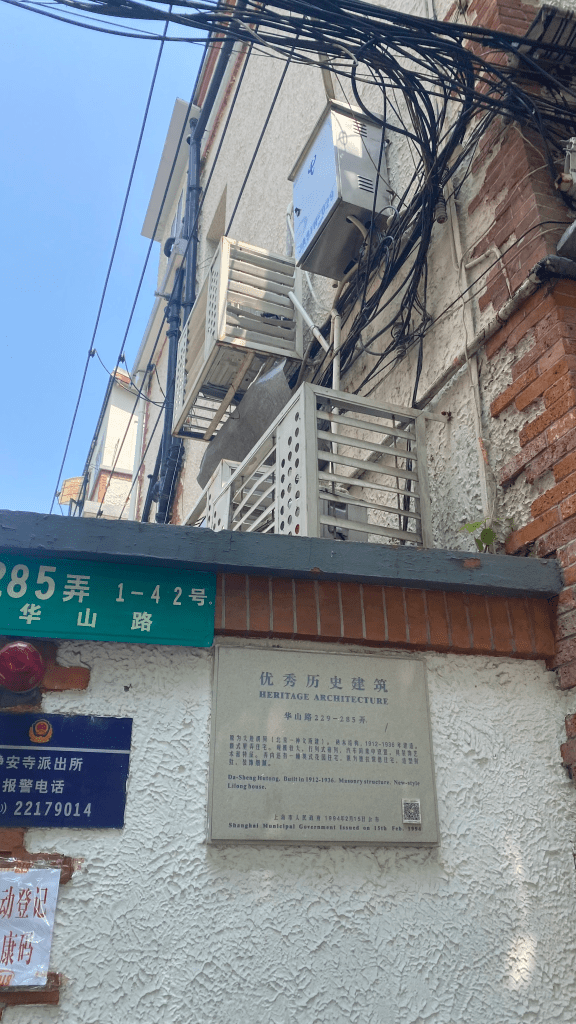
So some pictures – its kind of fun being in the city, but I’m not sure I’d like to live here – so busy, so much traffic. But quite pretty and a lot of preservation of historic buildings.

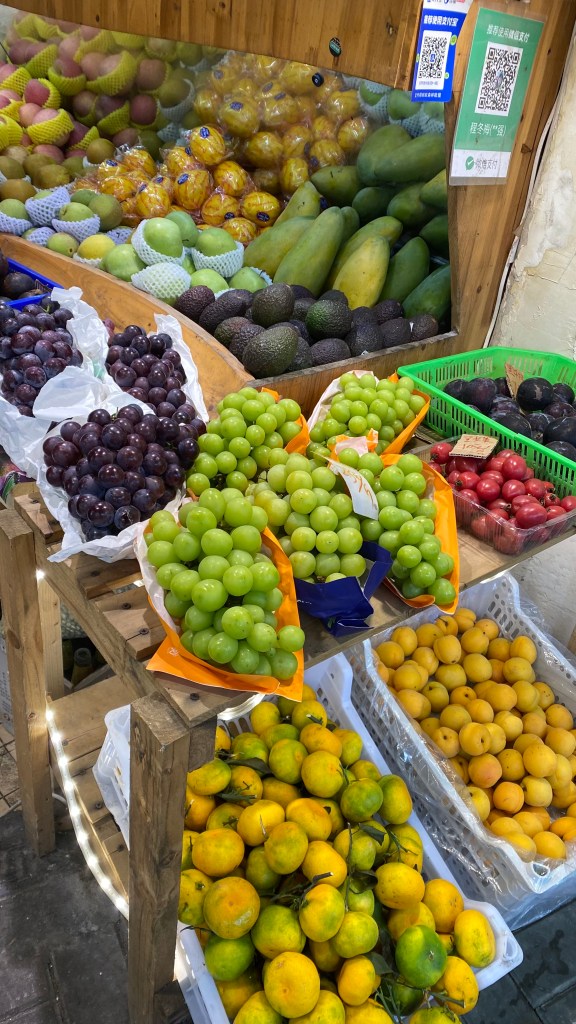
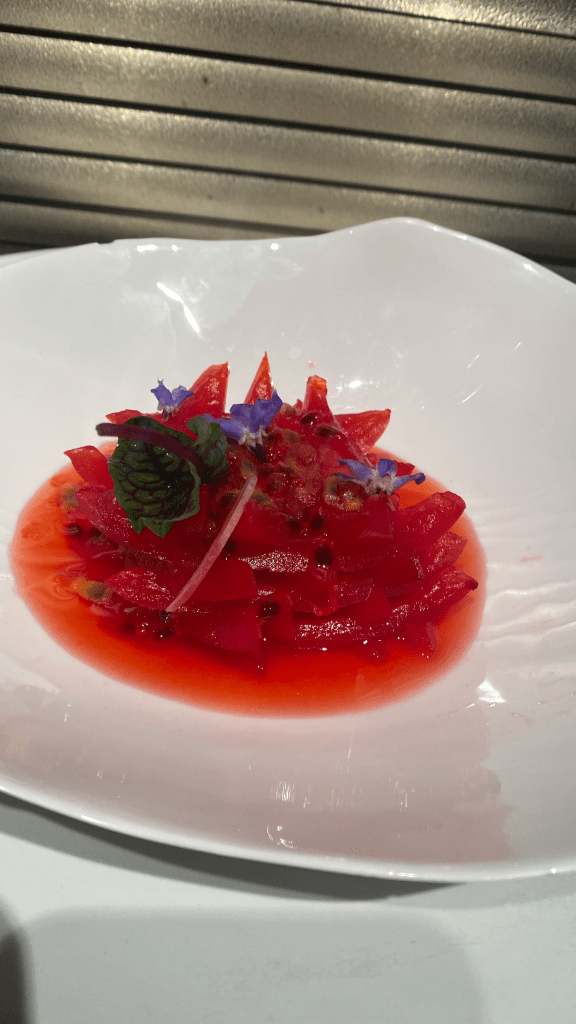
This evening I went for dinner with a librarian friend who lives here – we had the most amazing vegetarian buffet, so some food porn – don’t laugh, I know it’s all very normal for you folk out there, but after 2 weeks of luke warm / cold rice and mystery meat on plastic …

And the terrible news from my quarantinis is that one of them had a temperature just above 37 degrees so he’s been hauled off to a facility where he’s being held until he has 3 negative covid tests in a row – he’s not tested positive but they’re obviously taking no chances …

And, the worrying news is that when I get back to Beijing I too may be going back to yet another 7 days locked up at home with sealed door & camera surveillance. It ain’t over till it’s over, but there’s no telling when its over.

And to end a very beautiful poem that was share with me today:

my brain and
heart divorced

a decade ago

over who was
to blame about
how big of a mess
I have become

eventually,
they couldn’t be
in the same room
with each other

now my head and heart
share custody of me

I stay with my brain
during the week

and my heart
gets me on weekends

they never speak to one another

instead, they give me

the same note to pass
to each other every week

and their notes they
send to one another always
says the same thing:

“This is all your fault”

on Sundays
my heart complains
about how my
head has let me down
in the past

and on Wednesday
my head lists all

of the times my
heart has screwed
things up for me
in the future

they blame each
other for the
state of my life

there’s been a lot
of yelling – and crying

so,

lately, I’ve been

spending a lot of
time with my gut

who serves as my
unofficial therapist

most nights, I sneak out of the
window in my ribcage

and slide down my spine
and collapse on my
gut’s plush leather chair
that’s always open for me

~ and I just sit sit sit sit
until the sun comes up

last evening,
my gut asked me
if I was having a hard
time being caught
between my heart
and my head

I nodded

I said I didn’t know
if I could live with
either of them anymore

“my heart is always sad about
something that happened yesterday
while my head is always worried
about something that may happen tomorrow,”
I lamented

my gut squeezed my hand

“I just can’t live with
my mistakes of the past
or my anxiety about the future,”
I sighed

my gut smiled and said:

“in that case,
you should
go stay with your
lungs for a while,”

I was confused

the look on my face gave it away

“if you are exhausted about
your heart’s obsession with
the fixed past and your mind’s focus
on the uncertain future

your lungs are the perfect place for you

there is no yesterday in your lungs
there is no tomorrow there either

there is only now
there is only inhale
there is only exhale
there is only this moment

there is only breath

and in that breath
you can rest while your
heart and head work
their relationship out.”

this morning,
while my brain
was busy reading
tea leaves

and while my
heart was staring
at old photographs

I packed a little
bag and walked
to the door of
my lungs

before I could even knock
she opened the door
with a smile and as
a gust of air embraced me
she said

“what took you so long?”

~ john roedel (johnroedel.com)

New digs

Quarantine D14

Let loose today and made the 80 minute trek across town to my new +7 location. It’s great to be free – went for a nice long walk, and a meal with fresh salad!

Even though I really appreciate being able to be “outside” and have some choice in my meals, the whole quarantine experience wasn’t too bad. There’s something to be said about having and extremely simple life – few choices, highly structured and very productive.

There is the apocryphal story of Victor Hugo throwing all his clothes out the window to prevent himself from going out and being distracted so that he could complete the Hunchback of Notre Dame. It appears it was just his formal clothes and they were locked in a cupboard. Nevertheless, I remember also last year when my son and I were both in quarantine for the first time, emerging into the apocalyptic scenario where we were the only living beings in the hotel, making our way to the airport and flying home and then for a few weeks after, he kept on remarking on how overwhelming the world was, and how little one actually needs in life.

I’ve had firm admonishments from my colleagues following my journey to “seize the day” and have fun exploring Shanghai over the weekend and not working! It is in fact probably more than 20 years since I’ve been in Shanghai, so I plan to do just that.

We had our last day of the ECIS middle leadership course today, and were introduced to the work of Susan Craig Scott and Fierce Conversations and Kim Scott (the coincidence of a same surname?!) and Radical Candor. Very interesting and had a good conversation in our breakout room on how culturally transferable it would be. After 19 years in Asia I’m always cognoscente on people losing face. I’ll read the books and see where they take me.

Last sleep

Quarantine D13

Tonight is my last night in the wonderful “Home Inn”. So this morning I had the infamous double dipping covid test. For some reason we now have to have two separate complete oral and nasal covid tests that are submitted to two separate testing agencies – so it was double the discomfort. Does on ever get used to these tests?

Today was super busy at work, in fact I’ve just finished off now. Fresh tomatoes made their appearance both at lunch and as my dinner “fruit”. Heaven knows how much the people here think one small person is capable of consuming per day!

Related to yesterday’s post, listened to a wonderful podcast episode over lunch by Tara Bruch “Good Othering” definitely worth listening in the light of the idea of additive parenting and being.

And this daily blogging is exhausting! Wish I’d undertaken it during the break and not school time!