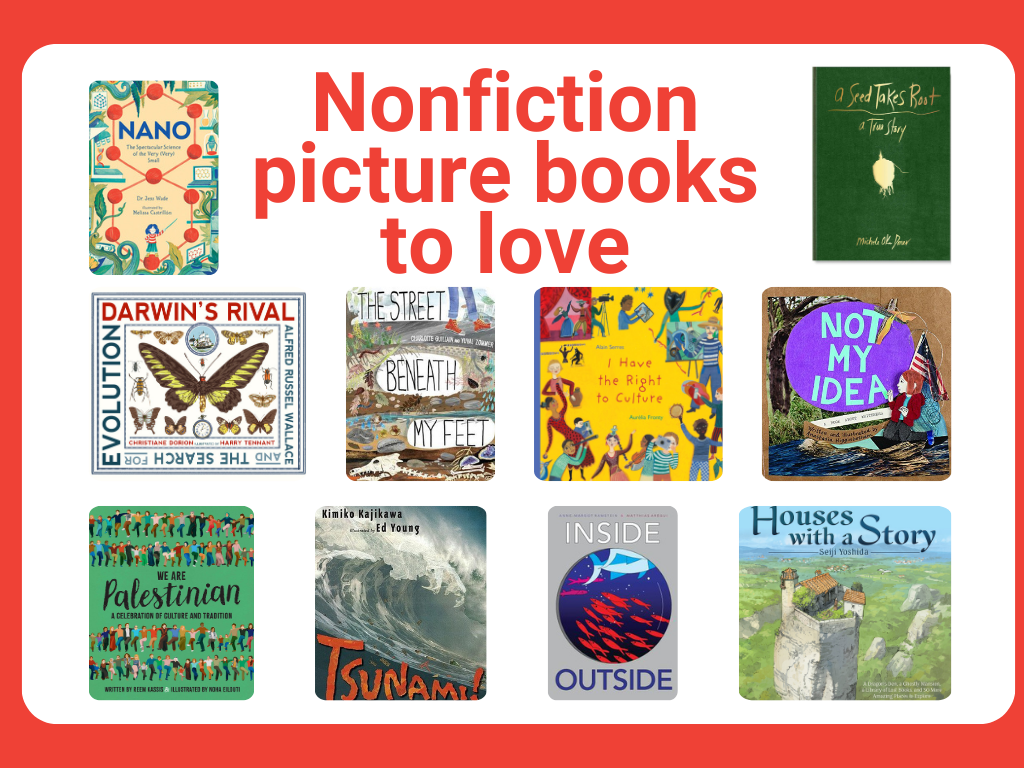
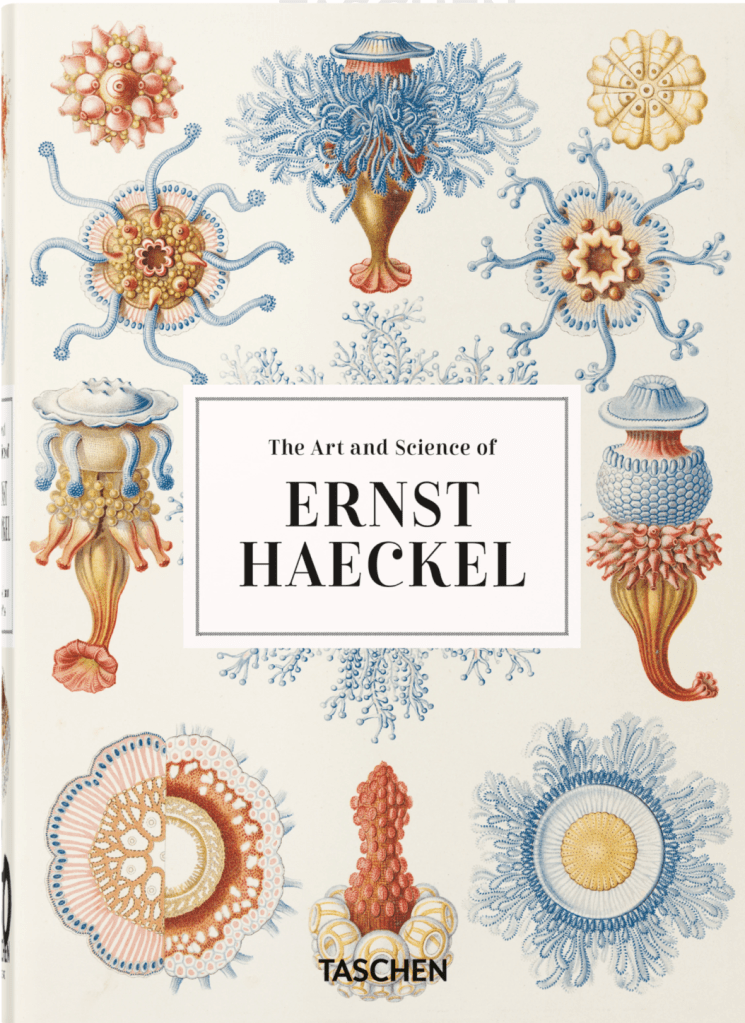
I was just passing our picture book shelf and decided the nonfiction picture books need a bit of love and attention. Here are a few I love for their amazing illustrations and beautiful messages written all within a couple of handfuls of pages.
Picture books are so like poetry – so much can be said with so few choice words. Which reminds me of a beautiful piece I read recently about poetry by Larson Langston
In English, we say: “I miss you.” But in poetry, we say: “I trace the shape of your absence in the spaces where your laughter used to linger, and let the echoes of you fill the hollow hours.”
In English, we say: “I don’t know how to let go.” But in poetry, we say: “I carry you in my chest like a stone— heavy, unyielding, and carved with the sharp edges of what once was.”
In English, we say: “I feel lost.” But in poetry, we say: “The compass of my heart spins wildly now, its needle drawn to places it can no longer call home.”
In English, we say: “I wish it were different.” But in poetry, we say: “I water the garden of could-have-beens with tears, waiting for flowers that refuse to bloom.”
In English, we say: “I hope you’re happy.” But in poetry, we say: “May the sun that warms your days be as kind to you as the first kiss of dew on the dawning light upon the leaves of the laurel that we once made love under”
In English, we say: “You hurt me.” But in poetry, we say: “You planted thorns in my chest with hands I once trusted, and now every breath feels like an apology I shouldn’t owe.”
In English, we say: “I wanted to stay.” But in poetry, we say: “I lingered at the edge of your world, a star burning quietly, unnoticed in your vast, indifferent sky.”
In English, we say: “I’m trying to move on.” But in poetry, we say: “I untangle your name from my veins each morning, only to find it woven into my dreams again at night.”
In English, we say: “I’ll be okay.” But in poetry, we say: “I gather the shattered pieces of myself like broken glass, knowing someday, even scars can catch the light.”
With poetry I write paths through gardens of grace with words in ways my body dare not go as a whole.
I am thinking a LOT about AI. My participation in thinking and reading as a factor of my actual usage would be something in the realm of 1 million to 1 at the moment. Save for some tedious bits and pieces like analysing surveys and the occasional laziness in making very short book summaries (which I then have to correct extensively anyway) I’m just not feeling the joy. Please do not construe in any way that I am therefore “feeling the fear”. No. I’m just spending a lot of time exploring and thinking about it. And what it means. And in particular what it means for the current generation of students / young people.
I started blogging in 2003, and blogged about losing my identity as a person while I spent time being a SAHM, holding the threads of my existence together through bringing up children internationally, nuturing bilingual and multi-cultural beings. I then deleted that blog as it had become too personal, too well known and I had become too identifiable and my children had become adolescents and had a right to their own privacy and thoughts and being. Then I started studying to become an educator and librarian and spent four years in academic pursuit, where for many of my courses, blogging was a course requirement. It was a really good thing to make reflections on learning via blogs a course requirement. At WAB (my previous school) elementary students also blogged and I think there can be nothing as wonderful as seeing the thoughts, words and intellectual development of young people developing and maturing and growing over time. Nothing makes better writers than doing a lot of writing. And through writing, one does tend to become a better writer and find your “writers voice”.
Last week our school shut Grammarly off for students. It’s a tool that has always personally irritated me, as I still grew up with the luxury of uninterrupted schooling where we went to school for our lessons, did all our sports and activities after school at school, had no internet, and government controlled TV that only came in after I turned 12. It was a plain vanilla, no frills government school and there wasn’t even enough money for an arts programme. Yes, huge deficits in my education but I did get grammar. The old fashioned way. Swings and roundabouts.
What did Grammarly do? Well, the new update allows students to highlight a paragraph and request Grammarly to rephrase or improve their writing three times a day for free using AI. And teachers were being given work that didn’t reflect the thoughts, intents, abilities or voice of their students. Teachers care. They care deeply that tools can be used to aid the students that need it the most. They also care that tools don’t get in the way of intellectual and skill development. Writing well takes a LOT of practice and also a LOT of reading and if there are any short cuts I’m not aware of them.
The word of the year in 2023 was “Enshittification“, a termed coined by Cory Doctrow and explains the process of platforms first being good for their users, then abusing the users so businesses can make money off the users, then abusing the businesses go get a piece of the pie and then dying. It is the first two parts of the equation that are of most interest to me viz a viz education and AI.
“Being good for their users” needs a modifier – “appearing to be good for their users”. In his long form article Andrew Nikiforuk touches on “whole foods are being replaced by ultra-processed stuff” which was exactly the analogy I was thinking of while reading NYTimes wellness challenge of this week – the article talking about “Are ultraprocessed foods really that delicious?” and asking readers to compare an ultraprocessed product to its natural equivalent. Unfortunately for many young people when they compare their complex pubescent self to what media is telling them is “the real thing” they feel like they come up short, not the artificial reality. One of the disturbing trends with young people is their anxiety and obsession with being perfect (and not just academic – look at the beauty / makeup thing – talk about a distraction) – some of which is parent / adult driven through a failure to understand or recognise that young people are not hatched with perfect writing, grammar, thought, and research skills. That is the whole point of being at school. We’re seeing a bunch of ultra-processed writing and assignments and research at the moment and I’m not sure that it’s leading to better learning.
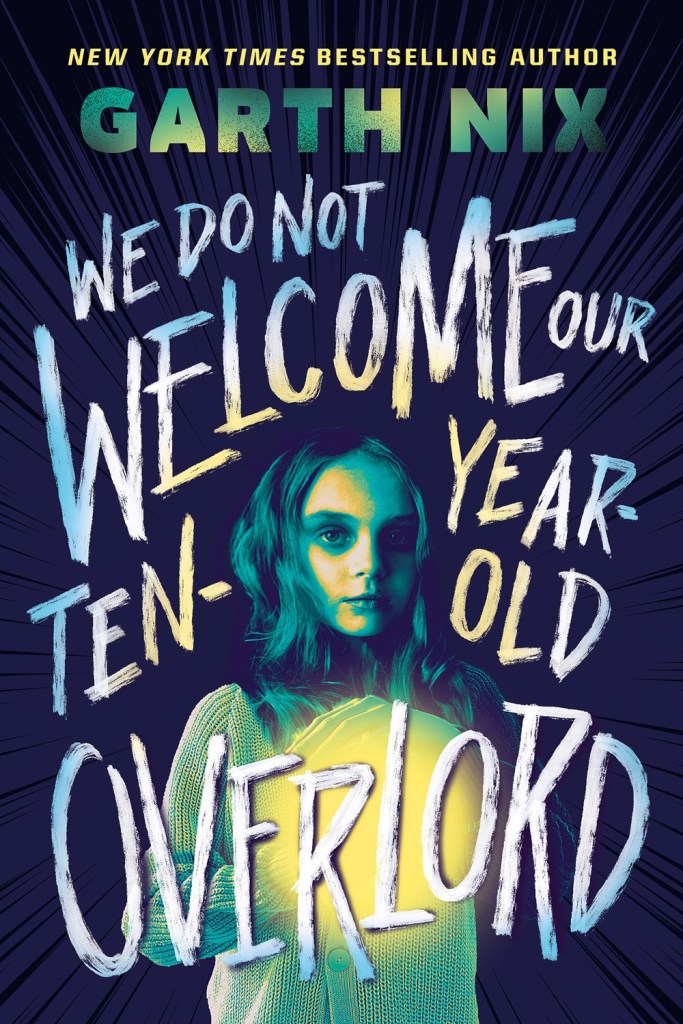
I’m currently reading “We do not welcome our 10-year-old Overlord by Garth Nix” – it’s a great middle grade version of this process of something external to humanity trying to take over under the auspices of “being good and doing good”. What I see, even with the most simple of all tools – a spelling check – is that students will type without any attention to spelling or capitalisation and expect the computer to mop up after them. And the next time the word / phrase is used they will continue to use it incorrectly and have auto-correct sort it out. The question then is whether there is any learning happening. And the meta question whether that learning needs to occur or not? Do we enter dangerous territory when we start deciding which students need to know things or not, develop skills in certain areas or not? We do not know what we don’t know and they definitely don’t. It would be way to easy to decide that perhaps some students don’t need to develop a writing voice and that it’s all so hard for them that it’s OK for AI or other tools to just take care of writing and editing what that tool thinks it is that the student is trying to express. Can you see where this is going? Because if we are not exposed to many ideas and thoughts and schools of thought and philosophies and histories how can we have enough information and knowledge under our belts to know what it is that we want to express? How can we know what OUR thoughts and feelings are when we’re in a feedback loop echo-chamber?
Back a little to the blogging thing – if students reflect on blogs that are open to the community it is so much easier to see what is normal and appropriate for each age group. Now we have writing that is largely hidden except to the teacher and their peers if they do comparative grading, and perhaps the adults in the lives of some of the students who will judge it by their adult standards AND whatever tools that are on student computers that again will transform the writing to some external adult standard. I’m also fascinated with, within the context of the apparent need for grading and scoring the work of students how granularity has decreased to the absurd point of students getting a score out of 4 for their efforts. Really? While packing up my life yet again for the move from China to Dubai I came across my old school reports. Everything was graded from 0-100 and there was plenty of room to improve from say a 69 to a 75 or an 89 to a 95 and no one ever ever ever got 100%. There was nuance. A lot of nuance. In the IB system scoring is to 8 and now in the American system it’s to 4. Talk about a blunt tool with which to sculpt learning!
I was just listening to Maggie Appleton (whose writings, as a cultural anthropologist turned Tech person on AI I really appreciate – particularly this one on the dark forest and generative AI) on the HanselMinutes podcast and I love her ideas about using AI for rubberducking – not just for IT debugging but for debugging your ideas and thoughts – although as she says it’s not really built for that as it’s more inclined to “yes AND” than to be a critical partner. I’m so long in the tooth that I remember when blogging was the medium for rubberducking your thoughts and every post got good handfuls of thoughtful comments by real people who would challenge or corroborate on your thinking. I made a lot of IRL friends off the back of blogging back in the day!
I’m fascinated about what other people think about student writing and student voice in writing as opposed to all that is being written about adult voice being taken over by AI – it is terrible, but how fortunate we have been to be allowed to develop a voice in the first place. Are we denying that to this generation of potential writers? Here is a link to one article in Writer’s Digest – of interest are all the other related articles at the bottom including some on maintaining voice as a comedian.
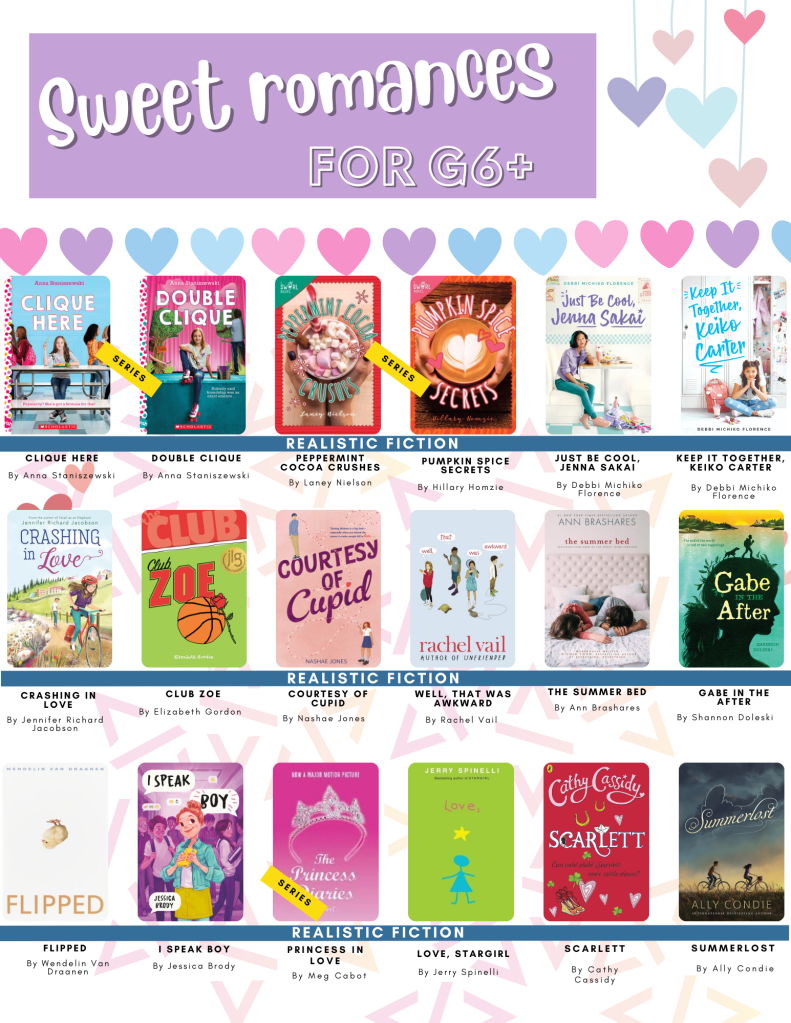
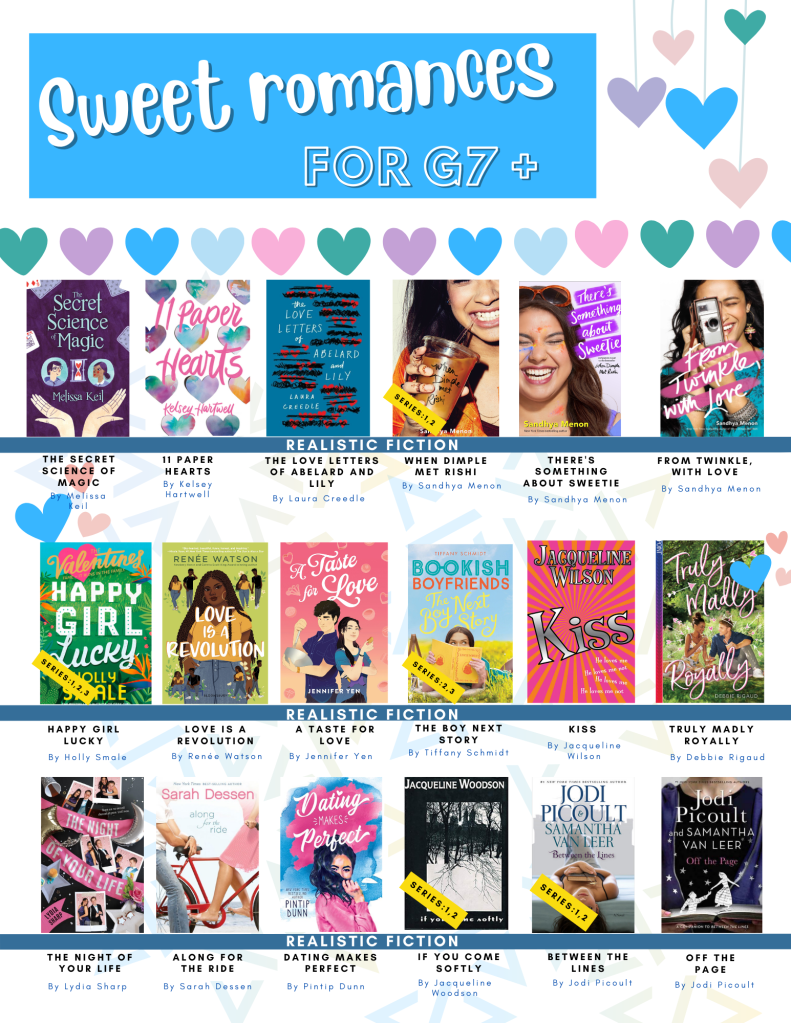
How easy it is to slip back into slothfulness – after a month of posting over at GLLI, today’s the first time I have had both the mindspace and timespace to do something on my own blog. Reading through various FB librarian spaces it seems that Romance is still doing the rounds and people are still looking for good, age appropriate romance novels that the parent-police / rabid-anti-readers / censors whatever are not going to object to, so I spent a few hours this week trying to find as many romance books as possible on Mackin.com that are rated respectively Grade 6+, Grade 7+ and Grade 8+. Now for all of you non-educators, non ex-parents of teenagers, non-working with teens people the distinction may appear ridiculous. But believe me, a 10/11 year old Grade 6 child is developmentally and emotionally ready for something quite different to a 13/14 year old. Or at least some of them / their parents and others that try to police their thoughts and reading.
I say this as an adult who has recently read “The Memory Police” by Yōko Ogawa and translated by Stephen Snyder and as a GenXer whose reading was not policed, except perhaps for “The Godfather” which my parents considered too violent, and therefor like every teen in my school read the whole sordid “Flowers in the Attic by V.C. Andrews series” before we really fully understood what incest was all about (an aside – read this Atlantic Article about just how prevalent it was / is).
I am also living in a region where even a mention of kissing could be construed as scandalous, but with students from all sorts of parenting, cultural, religious, regional, national and linguistic backgrounds. So tightrope, people. Tightrope. While doing my research I really had to wonder what exactly was the criteria to distinguish between suitability of the various age / grade boundaries. And I’m still wondering. There is a lot of talk about the age of the protagonists and whether or not there is kissing, hand holding, other touching, sexual encounters that are graphic or non-graphic or just hinted at but nada on where the lines are.
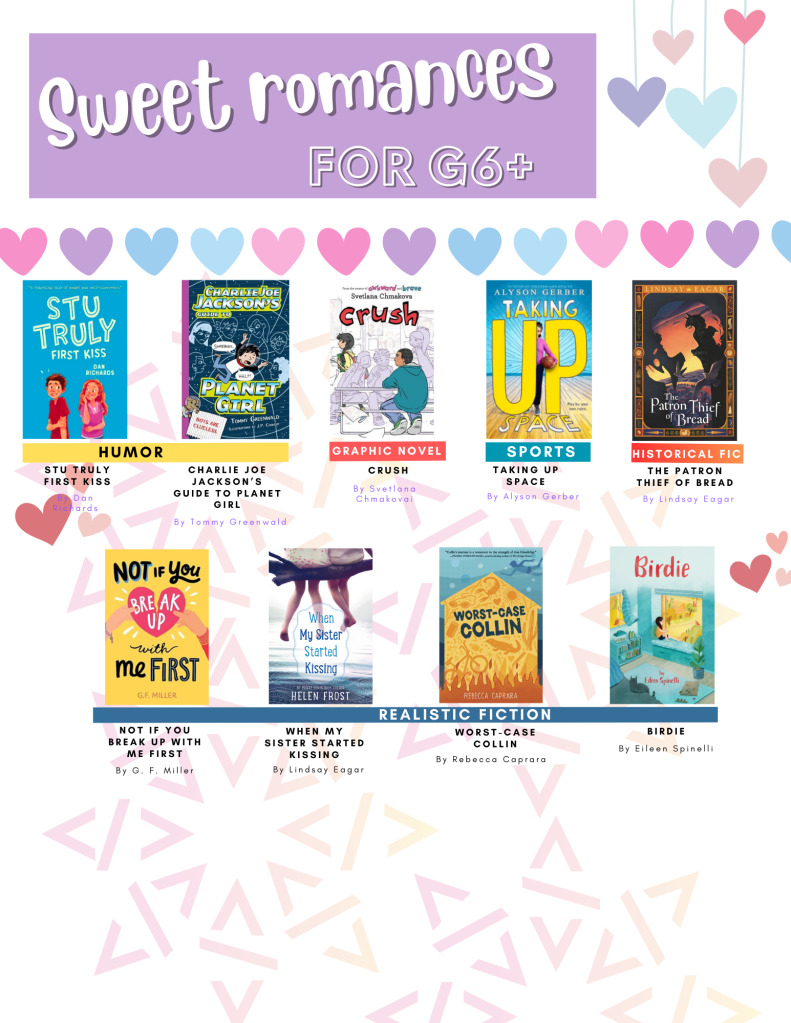
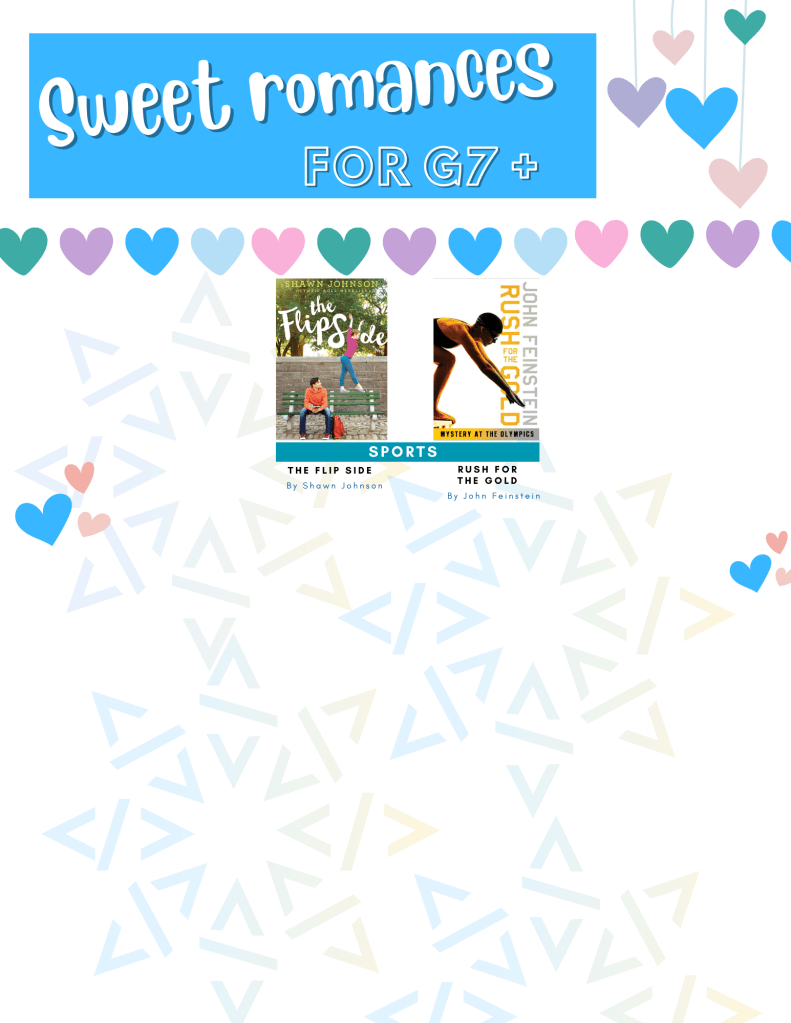
Back to library-land – why Mackin.com – well, unlike Follett which has very broad categorisation = Grades 3-6 / 5-8, 7-10 and YA, they are a little more granular so I poured over lists and lists of romance books and came up with the posters below. Also bear in mind these are inasmuch as I am aware all heterosexual in nature, again due to where I am living and trying to breathe and exist.
In another time and space I hope to have a far more inclusive list. And read my disclaimers below on this post. There is some nice cross-over in genres as well, getting into sport / fantasy / historical fiction with a brushing of romance – very important for our male-type patrons who are more likely to entertain the thought of romance in the context of anything but realistic fiction.
Disclaimer:The views, opinions, and thoughts expressed in this blog post are solely my own and do not reflect the positions, policies, or opinions of any current or former employer. Any references or examples provided are intended for informational purposes only and should not be construed as endorsements or official statements from any organization I have been associated with.
Despite appearances to the contrary I’ve actually been extremely busy blogging this month, doing a daily blog over at GLLI-US.org. Here is a summary of the month’s blogging with links to the individual blogs: ——————————-
I hope you’ve enjoyed my advent calendar type selection of “displays” for the month of December with a variety of ways to slice and dice collections and perhaps you’ve even found a few new or different books to add to your collections.
A couple of people have asked me about the how and why and wherefore of these posters, so in this wrap-up I’ll give links to the templates and also some ideas of how they are used in the various contexts. Generally all posters are put into A4 presentation books and are available in the ELA classrooms and in the library. Some selections are used for displays at the entrance of the library or on the display wall. Others are more of a “pop up” display when different classes come into the library to browse or borrow books with their classes.
Country Celebrations
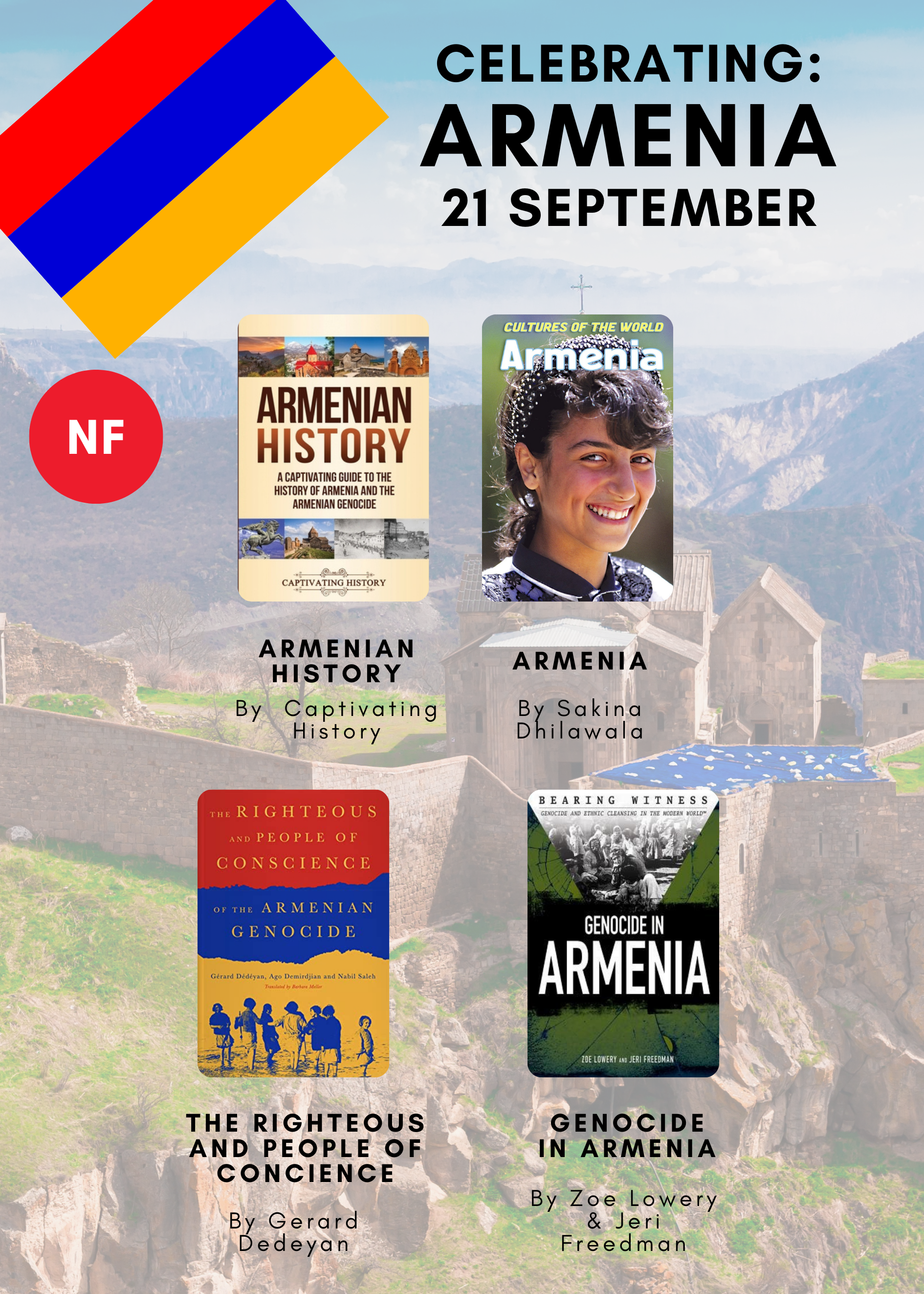
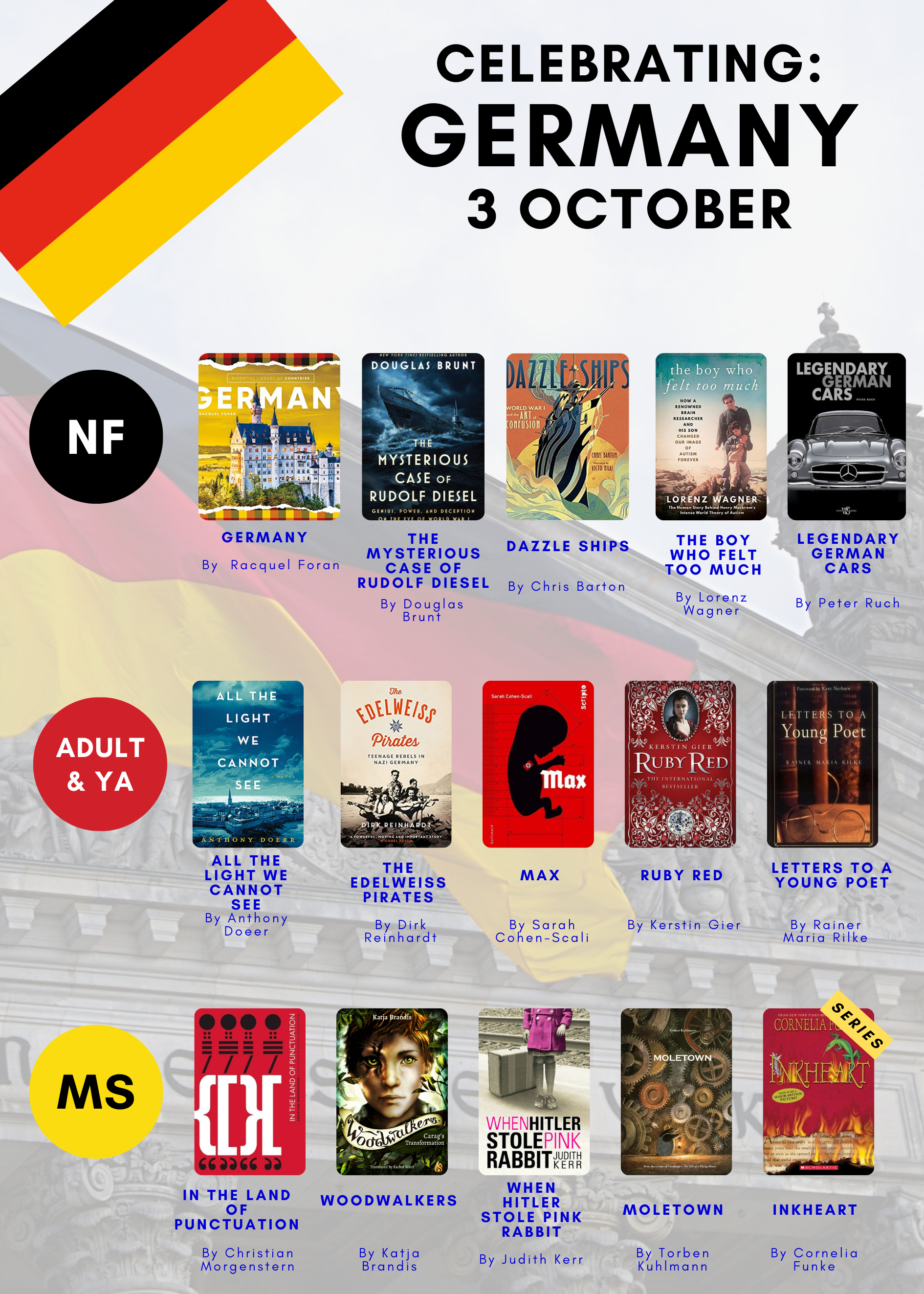
Country celebration posters are sent out in our student and staff bulletins to coincide with the National Day of the various countries. I asked our Powerschool guru to run a list of all countries where we had at least 3 students having the country as their first, second or third passport, got a list of national days and worked from there. Sending out those email “birthday cards” is one of the most rewarding things I do as a librarian as I get so many thank you emails in response and students and adults coming in to borrow some of the books on the list. Depending on how busy our display space in the library is, I may or may not display the books at the library entrance.
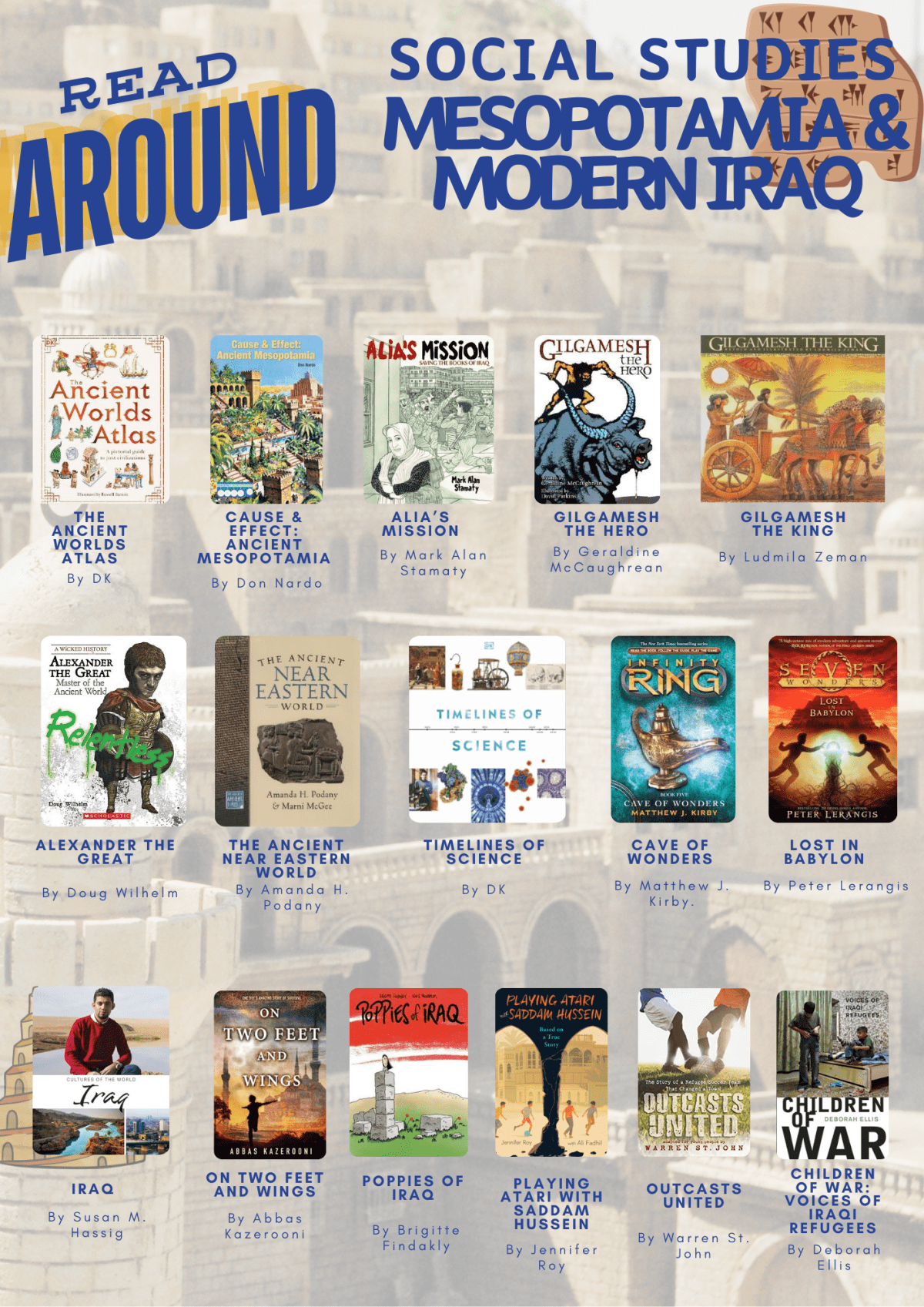
The read around posters are shared with our teachers of various subjects and generally they print them out in A3 size and put them either on their walls, doors or display boards outside their classrooms. Sometimes, when students come into the library with their ELA or Social Studies teachers I’ll have the books laid out on tables for them to have a look at and borrow.
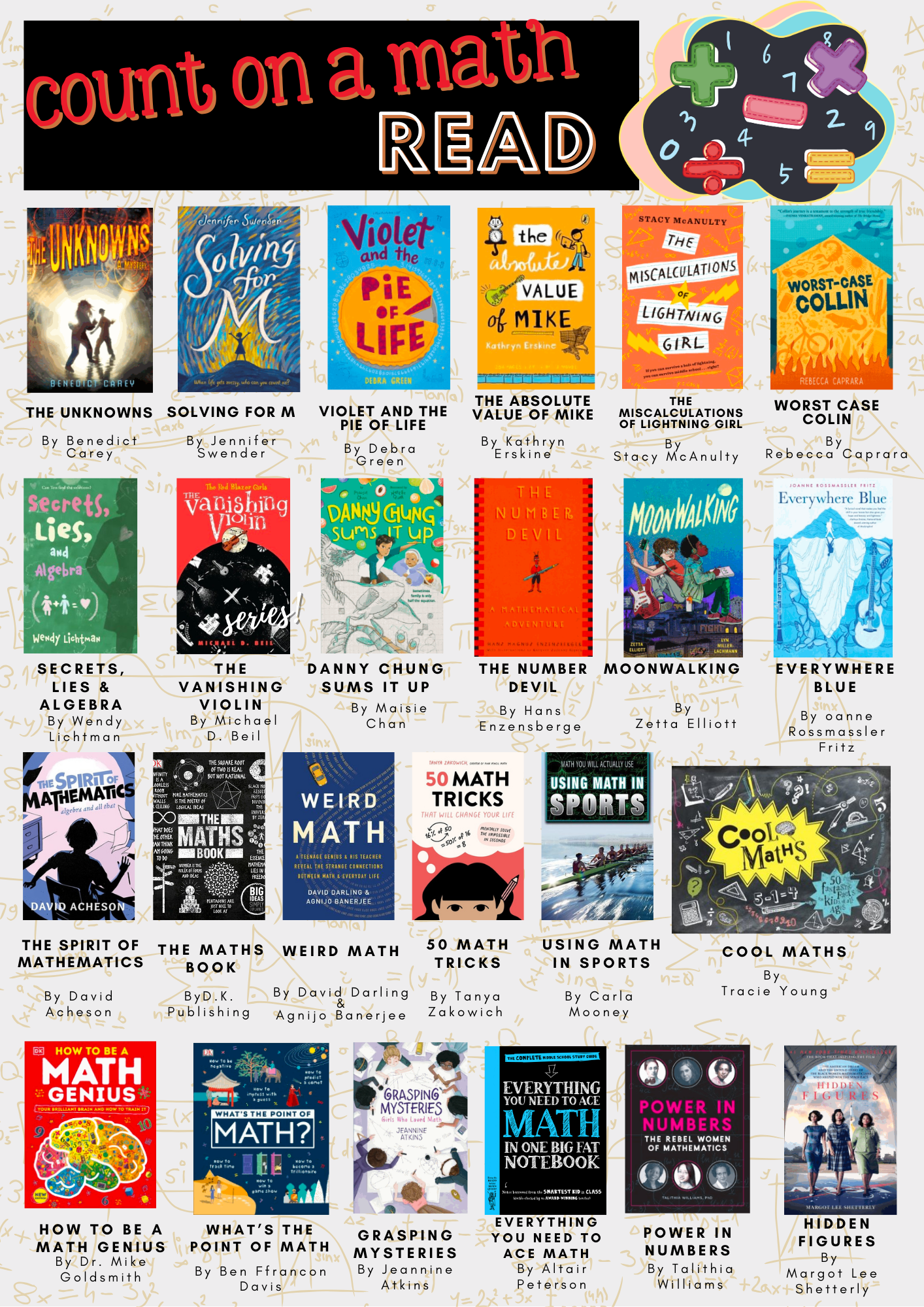
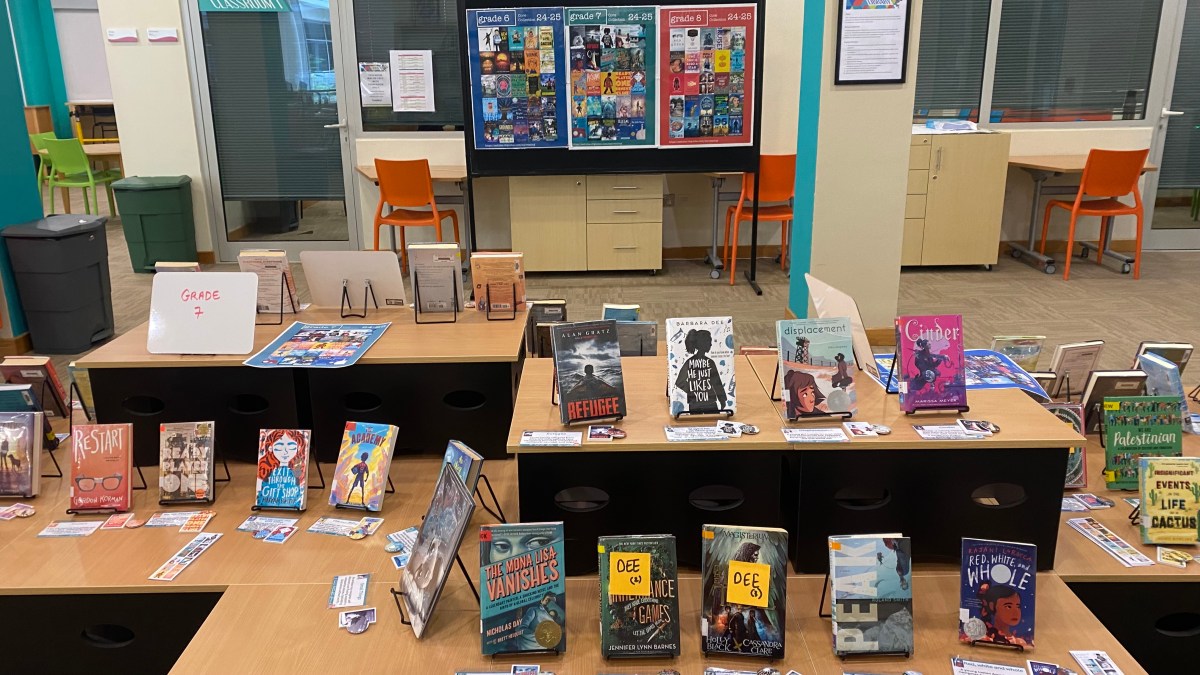
These and many other “Read alike” posters are printed in A4 and put into plastic “look book” presentation books that are available in the library and also in all our English Language Arts classrooms. Since our middle school students come to the library with their classes around once every 4 to 6 weeks, it makes it easy for students to browse for books in the classroom thematically and then go to the library with purpose in between the more formal library visits. When they come with their classes, I’ll generally confer with the teachers as to what they’d like displayed / what’s “hot” or wanted and then I’ll haul a bunch of tables to a part of the library where they can browse. Then these posters will be put into A3 acrylic sign holders on each table.
By Nadine Bailey – middle school teacher librarian, currently living and working in Dubai, formerly in Beijing China, Singapore and a bunch of other cities around the world. Passionate about our students seeing themselves and their worlds in literature and developing curiosity and a passion for reading and learning.
The views, opinions, and thoughts expressed in this blog post are solely my own and do not reflect the positions, policies, or opinions of any current or former employer. Any references or examples provided are intended for informational purposes only and should not be construed as endorsements or official statements from any organization I have been associated with.
Mediating between curiosity and research, curriculum and pleasure By Nadine Bailey and Katie Day
In the summer of 2024 we asked International School Middle School librarians to tell us the story of nonfiction in their libraries. We wanted to know their ambitions, frustrations, organisation and display as well as their collection development and usage plans. All books recommended in this article can be found tagged in our LibraryThing Shelf (https://www.librarything.com/catalog/middleNF).
Curriculum and Research
Educators and librarians who have been around for a while know and recognise the pendulum of ideas and practice that upend things first in one direction and then another. Nonfiction is one of those things where some of the momentum is now moving back to the practice of reading subject matter in physical form. Many librarians responded that in a post-covid learning environment both they and the teachers they work with were moving back to giving information in print form – mainly books where they were available, but also printing out articles from online sites such as Britannica and Newsela in order to encourage deep reading, avoid distractions and teach nonfiction reading skills that could be later transferred to online reading.
Schools following the IBO (International Baccalaureate Organisation) programmes (PYP/MYP) had particular interest in “transdisciplinary” and cross curricula books that would offer broader perspectives on curriculum or unit themes. Many librarians were investing in books that would support inquiry into aspects of the United Nations SDGs (Sustainable Development Goals). There was also a keen interest to ensure that sufficient “local” (country where the school is located) and “diverse” (countries of students’ origins) content was available in the library.
Many librarians have quite heavily weeded their nonfiction sections and are now looking to re-stock them based on this renewed interest in physical books. But it appears that publishers are not necessarily aware of what is happening on the ground and are not always updating and bringing out new editions of popular texts.
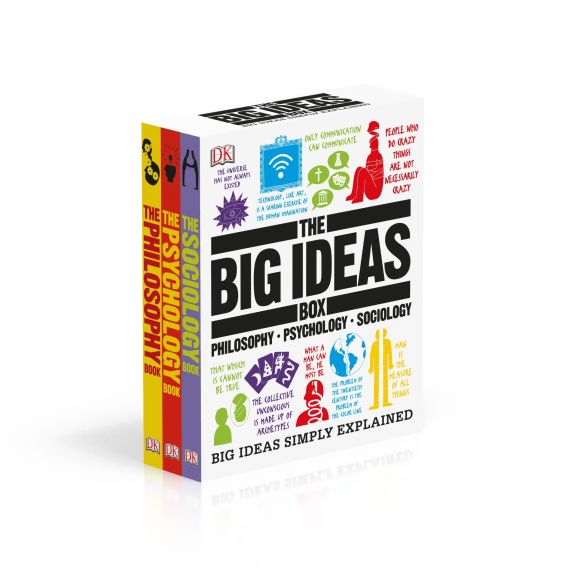
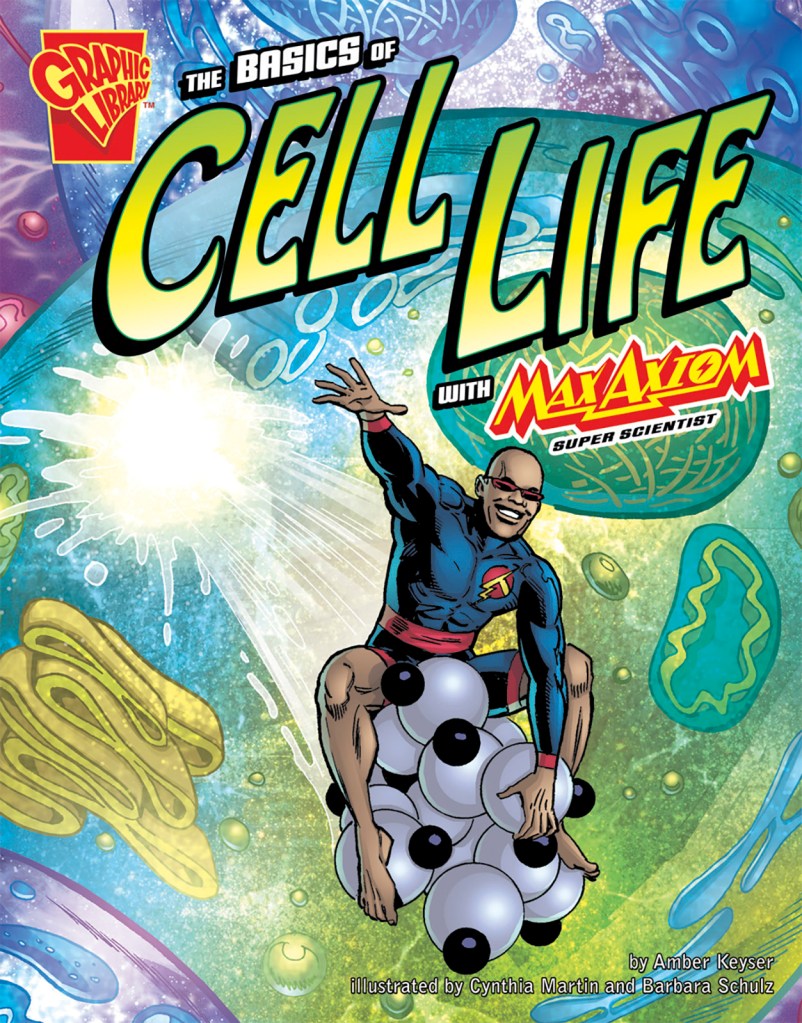
On the other hand, most respondents remarked on how much progress had been made in the last few years on the design, layout and illustrations in recent nonfiction texts. There was also a shoutout for the increase in different formats including “Oversize books” (see the books of “Big Picture Press – Welcome to the Museum”); Graphic and Manga imprints (series such HowToons; Cells at Work; and authors such as Don Brown and Jim Ottaviani); infographics (Infographic guides; ) Subject Summaries (The Big Fat Notebook series), Picture books (see this 2024 SLJ list) and Subject Overviews or introductions (DK Eyewitness, and DK Big Ideas).
Where curriculum and research is concerned, students can now often choose their favourite medium of access through a variety of formats.
Foster the flame of curiosity
Somewhere on the way to middle school, students amend their passions to fit in with their peers and ensure a sense of belonging. So out go the dinosaurs and big trucks to be replaced with their favourite sports personalities, music stars, books about their sports (soccer and basketball seem to be hits). Puberty hits this group hard and fast and strategic placement of sensitive materials can put paid to rumours and myths. It is also a time of self-absorption and worry about their physical and mental health – books on health and well being, relaxation, anxiety, meditation as well as psychology, are popular and an area of growth in most libraries.
Given the demographics of our schools, students of this age are already taking a keen interest in finance, aspects of wealth and investment as well as entrepreneurship. They’re also interested in personally exploring hobbies and activities they may see online such as cooking, sewing and knitting or other crafts.
History – particularly the world wars and more recent conflicts continue to fascinate and appal in equal measure – often mediated by historical fiction texts students may encounter in their literature studies or English classrooms and what they see on the news or social media.
Shelving, organisation and display
In order to make nonfiction appealing and accessible, quite a few of our respondents mentioned they either had or were in the process of rethinking the way that nonfiction was shelved, organised and displayed in their libraries. There is a continuum from pure DDC (Dewey Decimal Classification) to a range of Book Shop or genrified models. Librarians were more interested in getting books seen and read than in a hypothetical need for their audience to be able to navigate a university library later. One of our respondents coined the lovely phrase of “emotional accessibility” in this respect.
Of course most libraries have already taken the first step of putting “literature” or novels out of a straight Dewey 800 section into a fiction collection – genrified or or not. Other common “extractions” from the main Dewey structure include:
Taking Biographies, collective biographies and memoirs out of 910/920 and putting them in a separate section. Some libraries put collective biographies at the start of the section they pertain to (i.e. famous musicians go to 780).
Travel Books
Poetry
Drama and playscripts
Graphic Novels and Manga
Narrative nonfiction
Myths, Legends and Fairytales
Parenting
Well Being
Professional Development
Sports
Country specific collections
A specific nonfiction series that’s popular
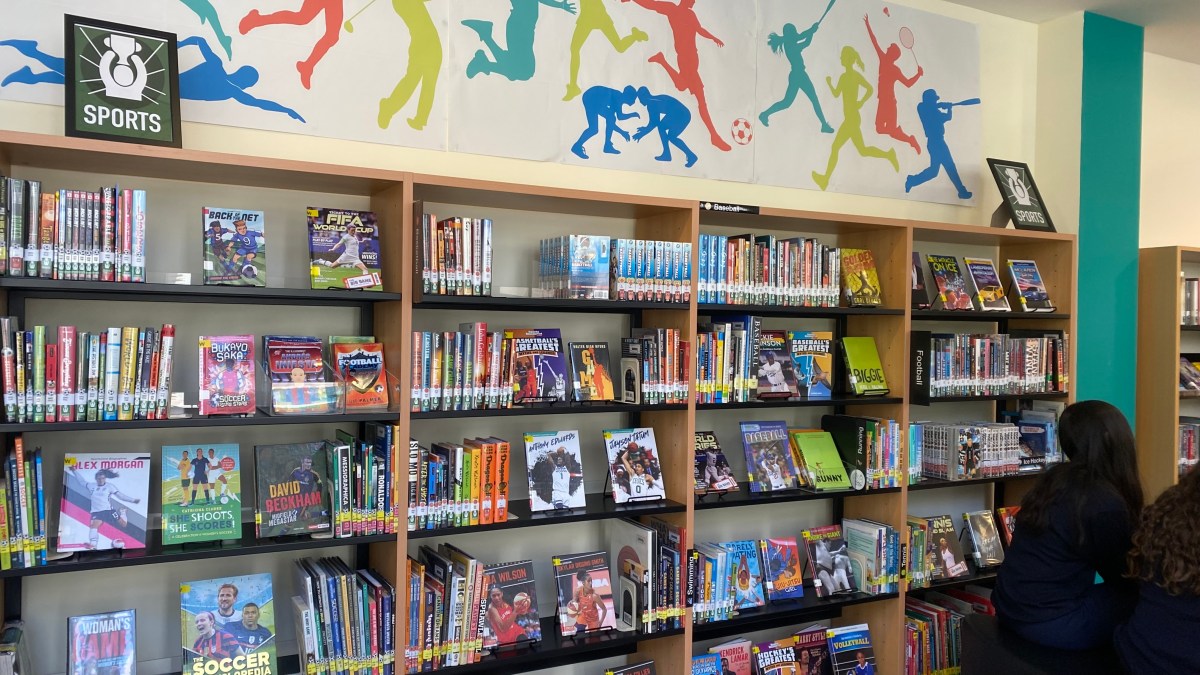
Photo: American School of Dubai MSHS Sport Section
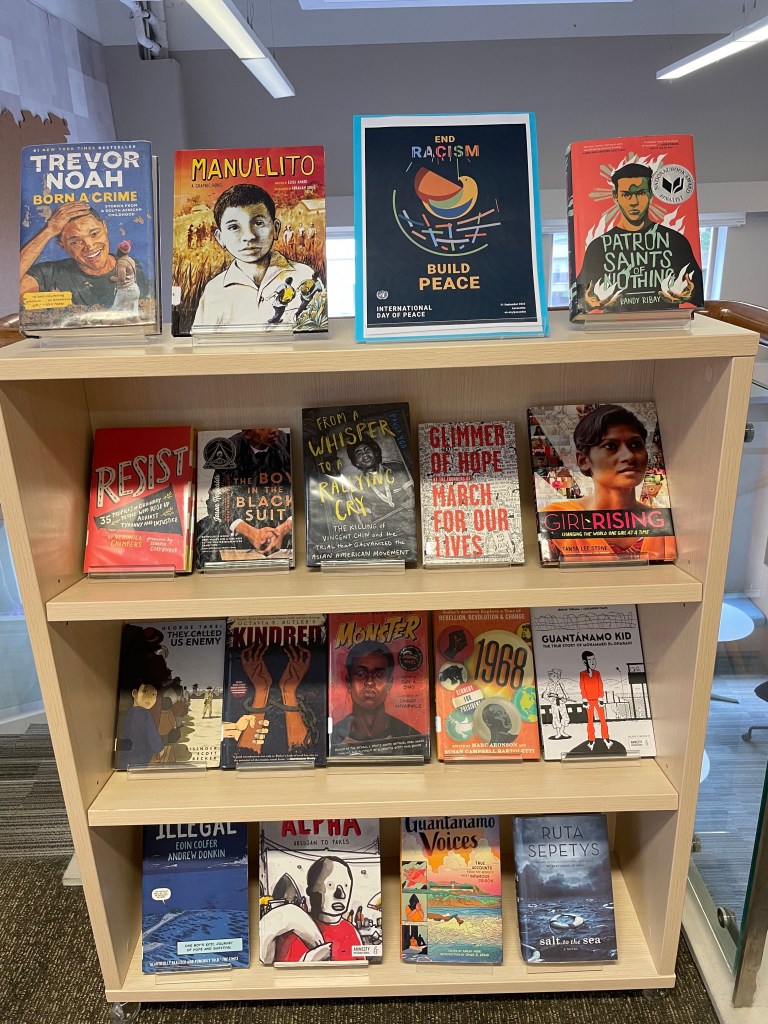
In the absence of permanently pulling out a section – many librarians make use of rotating “dynamic shelving” or temporary topical displays. The guideline here appears to be to follow the needs and interests of the community – teenagers want to be able to independently navigate the library without adult intervention that may be embarrassing.
Photo courtesy of Ashley SimmonsPhoto courtesy of Ashley Simmons
Related to that – signage and signposting was an area that nearly all librarians were investing in. Many mentioned significant weeding that had resulted in more space for forward facing displays and carving out sections of interest.
Recommendations
To support the discovery of nonfiction titles for middle school, we’ve curated a shelf of 389 (and growing) books on Librarything that we consider to be worth investing in. It’s an ongoing labour of love, so not every book has been tagged at this point yet.
Examples of Some of the tagging we’ve employed are (not an exhaustive list):
Narrative nonfiction
Manga
Graphic
Topic_
WW2
Women
Science
Mathematics
Religion
History
Climate
SDGxx
Activism
Wellbeing
War
Technology
Sustainability
Sports
Space
Social Media
Geo_
Southeast Asia
China
USA
Europe
UK
Australia
Edition
Young Reader
Since such lists can quickly go out of date, we’d also like to generalise with some series, authors, titles and publishers that we recommend.
Great AUTHORS
Marc Aronson
Don Brown
Marc Favreau
Candace Fleming
Russell Freedman
Yuval Noah Harari
Deborah Hopkinson
Tanya Lloyd Kyi (Canadian)
Randall Munroe
Jim Ottaviani
Elizabeth Partridge
Gillian Richardson
Steve Sheinkin
Cory Silverberg (Puberty)
Dashka Slater
Tanya Lee Stone
Pamela S. Turner
Great PUBLISHERS
Annick Press (Canada)
DK (Eyewitness; Big Ideas; Children’s Timelines; How Things Work; How Stuff Works)
First Second (MacMillan)
National Geographic for Kids
Usborne (UK)
Crabtree Publishing Company
Flying Eye Books
Great SERIES
DK Eyewitness
DK Big Ideas
DK Children’s Timelines
DK How Things Work / How Stuff Works
From Playground to Pitch
HowToons
Hazardous Tales (Nathan Hale)
Little Histories
World Citizen Comics
UN sustainable development goals
Great TITLES
There’s been a recent shift toward publishing a Young Adult version of popular nonfiction titles either simultaneously or shortly after the Adult version. These can be found by searching for “Young Readers” or “Young Reader’s edition” / “Young Reader’s Adaptation”.
Last but not least, pairing a nonfiction book with a novel can enhance both texts.
I initially started putting a fiction book on this libguide followed by suggestions of nonfiction, https://asdubai.libguides.com/ms/reading/nonfiction. I’ve now moved away from that somewhat and have started curating “Read Around the Curriculum” posters where either a curriculum topic is highlighted with fiction and nonfiction, or an “If you like / want to know more” poster is made of one of our book club fiction books with suggestions for finding out more about the context with other fiction/nonfiction books on the topic.
Katie Day and I would love to hear your suggestions for more nonfiction books, and perhaps we can expand the list to High School. Many of the books suggested in our list are suitable for High School and upper elementary as well.
Comments and suggestions much appreciated.
NOTE: Since the publication of this post we have been approached by commercial entities about using the list. While we cannot prevent the list from being used commercially this is our wish:
This list was created in order to freely help librarians all around the world. It was a labour of love which took a lot of our personal vacation time to create. If you are part of a commercial organization and you will be using the list commercially we would request that you attribute us and make a suitable donation in our names to “Biblioteca di Lampedusa” which serves refugees from around the world in their Silent Book initiative, https://www.facebook.com/BiblioLampedusa/ or the “IBBY Children in Crisis Fund”: https://www.ibby.org/awards-activities/ibby-children-in-crisis-fund. Thanks. Nadine & Katie
For a while now I’ve been wanting to highlight the curation of books related to the countries and cultures of our students, and finally this year I got around to creating posters “Celebrating xxx” which I post to our school bulletins for students and adults respectively. It’s been a bit of a chicken and egg project – knowing how many students we have from each country / culture – which in itself is truly not as simple a task as it may appear. We use the proxy of first, second and third passports, but as anyone who lives internationally knows, life is a tangle of multiple strands with immigration, migration, expatriation, languages, refugees, fleeing and arriving, births and marriages and transferences and identities. So in the last two years, using this list I’ve been scouring book lists, book catalogues, recommendations, book prizes to where we finally have, for most of the countries with more than 2 students, at least a couple of books besides a travel guide.
A couple of books. How easy that rolls of the tongue. But anyone with a conscience and an iota of empathy will know that that is another potential landmine. I have carried shame for my country of birth, South Africa, for decades, and still often have trouble admitting to its citizenship since I still feel the personal burden of all the wrongs committed by people of my race. It is right that a representative sampling of literature of my country includes reference, analysis and depictions of the pain and despair that apartheid has wrought. But that is not all we are as a nation and people.
I have not yet made the list for South Africa. But that was the dilemma I faced when curating the poster for Germany. A country with a 1000 years of literature beginning with the Nibelungenlied. Whose literature I studied in translation at UCT while ignoring my true passions suppressed doing a commerce degree. Yet looking at the books we have in the library, it appears that the war years, in particular the second world war, and specifically the war atrocities, is the primary lens through which our students form their Germanic world view. Again, it is right and proper that authors, beginning with people like Günter Grass, who, in his time was vilified for daring to address the near past, should shine a light on a terrible past. But that is not all by which they should be known. And more than anything students need to become aware of nuance. By the realisation that it is possible to hold two opposing views in one’s mind simultaneously. And if not through literature, how will they learn that? How sad is it too, that all the books we have about Armenia are about the genocide?
So far I have received nothing but gratitude from our community for both curating / purchasing these books and highlighting them as their national days come by. It is I who is filled with doubt and desire to be able to offer more. And despair that in many cases there isn’t more as countries are ravaged by war and poverty – at times literally with bombs and other times with the devastation of censorship, cultural and monetary poverty and lack of access to publishing and translation of the words that need to be heard by their people, its diaspora and the rest of the worlds children and young adults / adults. We deserve more than the “lonely planet” and “countries of the world” as nice as it is to at least have that.
My good intentions to blog more have come to naught, but here’s some of the stuff I’ve been busy thinking about / learning / pondering / contemplating.
Read Around:
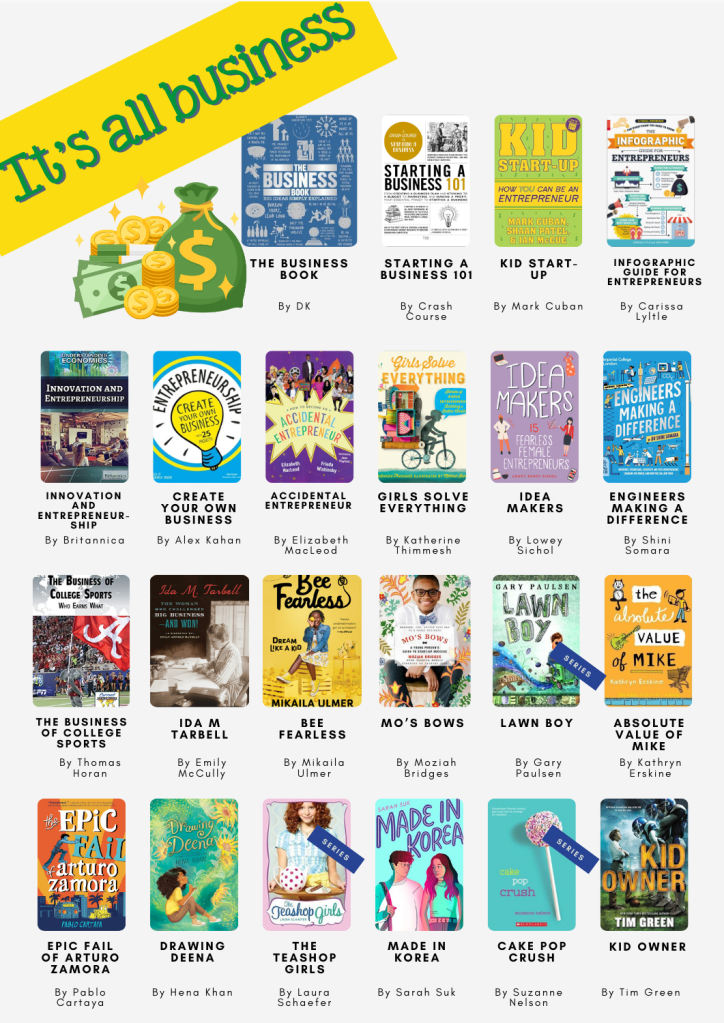
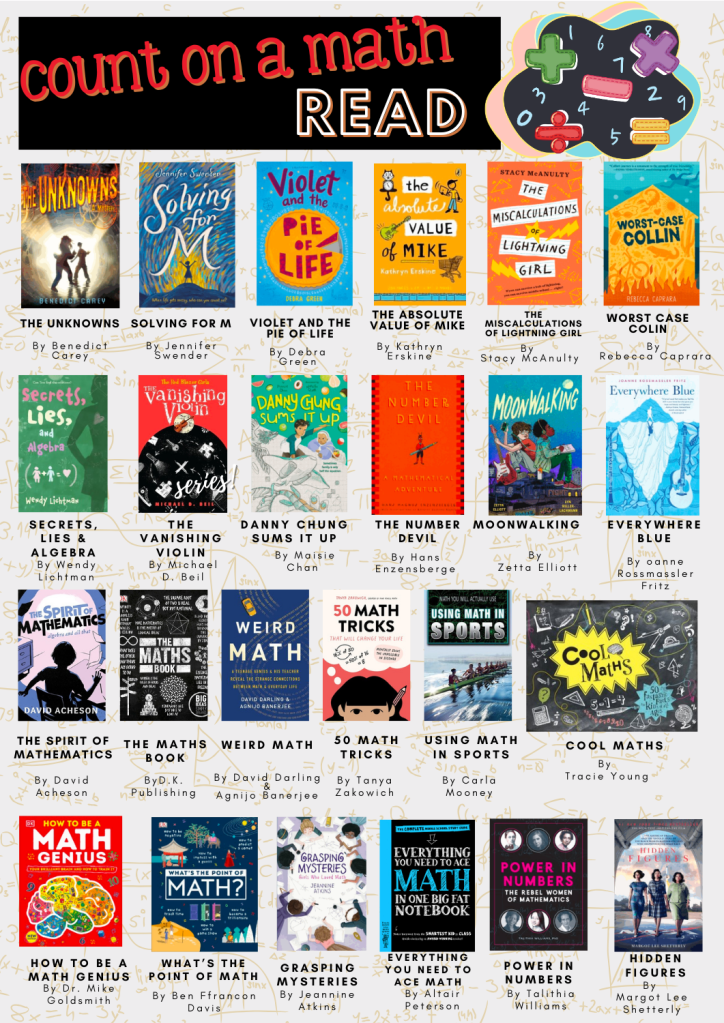
One of the things I’ve noticed moving from PYP / elementary librarian to Middle School is the apparent lack of curiosity in the students coming into the library. I’m sure there are many developmental and sociological reasons for this – not the least the necessity to belong and be cool. This combined with my drive to help “sense-making” in the library for our students – where a plethora of books is wonderful from a curation point of view but hopeless from a choice POV (POV is a very important thing in middle school parlance at the moment) means I’m spending a lot of my spare time (haha, not much of that unfortunately) making “read around” posters that go into look books that are a non-digital physical way of signposting books and hopefully stimulating curiosity and interest beyond what’s going on in the curriculum.
It’s still in a pretty messy form, so I’m not quite yet ready to share my Canva templates, but here are a few examples.
Kind of related to that Katie Day and I are busy creating the “Essential Middle School Nonfiction book list” – a “best of” in our opinion of the books now available for Middle School Students – and tagging the books along a bunch of dimensions of format, topic, geo-location etc. That should be ready soonish.
Learning and AI
Again, with my partner-in-learning, Katie, we’re preparing a talk for educators and parents for the Neev Literature Festival (if you’re anywhere near Bangalore India, that’s the place to be next week – an amazing line up of authors and speakers).
I became somewhat interested in AI, Blockchain and learning and matters related in the summer of 2018 thanks mainly to an article by Jeremy Howard on learning Chinese since at that point I was still in China and actively learning Chinese and I’m always fascinated and very fond (in an intellectual sense) of people who were climbing that mountain with me – this is a more recent podcast featuring him on the subject. I’ve since moved on to learning French and German using Duolingo – which I’m still somewhat deeply sceptical about, but more or less sucked into a learning streak which I suspect is more algorithmically behaviourally induced than true learning. I remember moments learning chinese when I literally was feeling my brain creaking – something Duolingo hasn’t managed to re-create.
Where am I now? Well, AI has progressed a lot faster than my interest in it, if I am completely honest. I’m not sure if it’s a result of a fundamental distrust of whatever the “latest thing” is, or I’m joining Socrates and Plato on a distrust of a new technology – their view being “writing is a fundamentally representational activity. The act of writing only records ideas; it cannot generate them” and I’m with the AI camp saying “AI is a fundamentally regenerational activity; it can only regenerate ideas; it cannot generate them”. Actually I must say I disagree that writing only records ideas – through the process of writing and researching in order to write I do think I generate ideas … maybe not world-changing ones, but ideas nonetheless.
A few things I’ve been watching / reading that I think are of use have been:
Rory Sutherland’s “Are we too impatient to be intelligent” two quotes I particularly liked were “…a problem, I think, which bedevils many technologies and many behaviours. It starts as an option, then it becomes an obligation. We welcome the technology at first because it presents us with a choice. But then everybody else has to adopt the technology, and we suddenly realize we’re worse off than we were when we started.” and “there are things in life where the value is precisely in the inefficiency, in the time spent, in the pain endured, in the effort you have to invest.” – thinking about what he is saying resulted in the title of this blog.
Jay Caspian Kang’s “Does A.I. Really Encourage Cheating in Schools?” with this message “school isn’t about creating new scholarship or answering questions correctly—it’s about teaching proper work habits. A young person who takes the time to go into a library is more likely to develop the types of work habits that will allow him to find accompanying bits of information that might be useful in creating a novel, an algorithm, or a convincing argument. Setting aside the obvious offense of dishonesty, the problem with cheating isn’t so much that the student skips over the process of explaining what they learned—it’s that they deprive themselves of the time-consuming labor of actually having read the book, type out the sentences, and think through the prompt.”
Joshua Rothman’s “What Does It Really Mean to Learn?” – I really loved this article about Leslie Valiant’s book “The Importance of Being Educable” – our ability to learn over the long term. I started reading the book but think the article actually covers the most important points very well.
I’ve also been reading around various academic papers in search of some kind of a framework within which to think about how to teach critical information literacy towards AI. There are a lot of very interesting “click-bait” titles, but so far not very much in the way of substance – so watch this space.
I’m wondering if it’s time for a renaissance. At least in the conversations I’m having with some educators we’re moving back to using nonfiction books for research, printing out articles from databases, using fewer resources more intensively and other such retro ideas. Faced with 22 students aged 10-12 learning about inventions in Mesopotamia I am resisting using the phrase “skim and scan” before they can actually read a paragraph, a page, a chapter and be able to tell what the main idea is and how that relates to what they already know and what they think they still need to find out.
It’s been a little while – but I’m going to direct you all to what I consider to be one of the best series of articles the NY Times has brought out – Errol Morris’ “The Anosognosic’s Dilemma: Something’s Wrong but You’ll Never Know What It Is” about the Dunning-Kruger effect “When people are incompetent in the strategies they adopt to achieve success and satisfaction, they suffer a dual burden: Not only do they reach erroneous conclusions and make unfortunate choices, but their incompetence robs them of the ability to realize it.” besides American (and other) politics, there are few places where this is more rampant than in middle school. It’s not our role as educators to point this out to our students, but rather to bring them to the point where we create the environment where they are nudged into making the right choices – at the very least around learning and to commence that journey of being able to glimpse the horizons of knowing what they don’t know.
Yet again an article despairing how kids are not reading “For Too Many Kids, Books Are Uncool and Unread” with all sorts of “reasons” and little in the way of solutions. So here are a few people / places / organisations who are trying to do something and a little on the work I was doing recently.
Engage everyone
While language arts / language and literature teachers and particularly librarians are often called upon or take it upon themselves to play a role in turning out literate students who hopefully also enjoy reading – it is a mistake to pigeonhole the efforts onto a few people. Just like I spend quite a few hours of my week engaged in coaching students in sport I like to think that my colleagues in other subject areas – including Physical Education etc. could spend a bit of time encouraging students to read. Particularly PHE teachers – since as my now young adult son (previously reluctant reader middle school son) told me “give up mom, middle schoolers don’t listen to anyone except maybe their PHE teachers and sports coaches”.
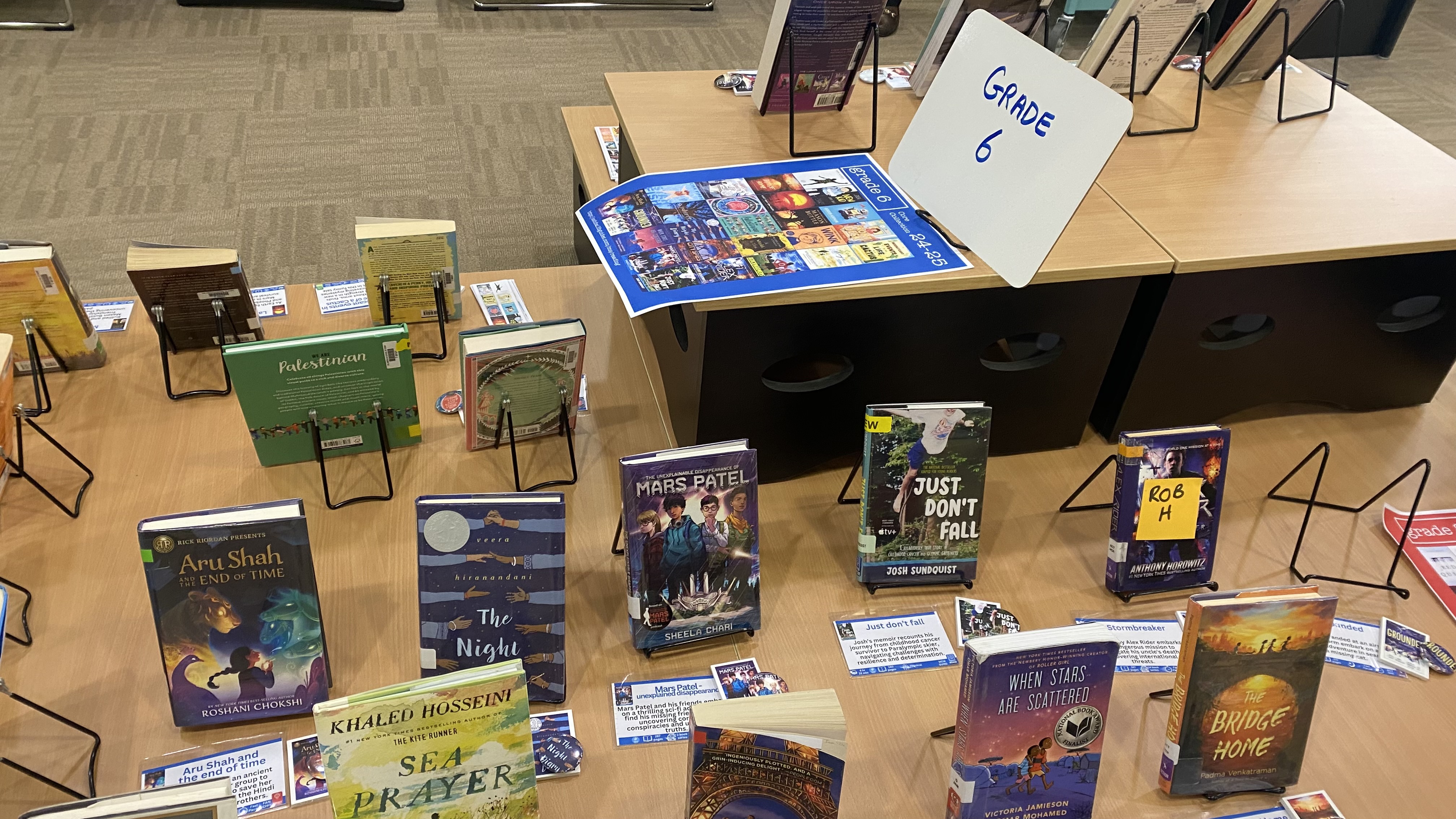
Last year I started having a core collection (an idea initially started in the UK by CLPE, and carried on internationally by Katie Day) of 25 books per grade for our middle school. We invested in at least 3 copies of most of the books and the books were promoted in the ELA (English Language Arts) classes and the library. Having a narrower selection of books to focus on meant that as a group we could try and read as many of these as possible and “sell” them to students. The news crew of our “Falcon Flyer” also helped with promotion by featuring the books, and they were also displayed on our internal TV screens in the library and MS corridor. A weekly quiz via google forms and the “Battle of Core” assembly were less successful than I’d have liked – but let’s say it was something to build on. However when I analysed the circulations from these 75 books I was positively surprised and just how many had circulated. As can be seen – kids still prefer print, and audio is their least preferred medium.
In my discussion with the ELA department about declining reading there was a strong feeling that promoting the books shouldn’t just be on them – and I took that thought to heart and just before the summer in our last staff meeting with the support of our admin launched the “staff summer reading challenge”
This involved quite a bit of preparation work, starting about 6 weeks before the end of term, including updating the lists for the new year, taking out books that weren’t popular or didn’t resonate with students, getting suggestions from our most avid readers (and asking them to pre-read where I wasn’t sure which book would be better) and making sure we had coverage of genres, levels of difficulty and format (verse novel, graphic novel, nonfiction, memoir, fiction) and our books were reflective of our community – each grade having at least one book with a muslim perspective as we’re in the UAE. Our new list can be found on our reading libguide. Next up was making sure all the books were ordered so that they were available before the meeting and then making new posters, shelf-signs with a summary, badges and a “mini-book”.
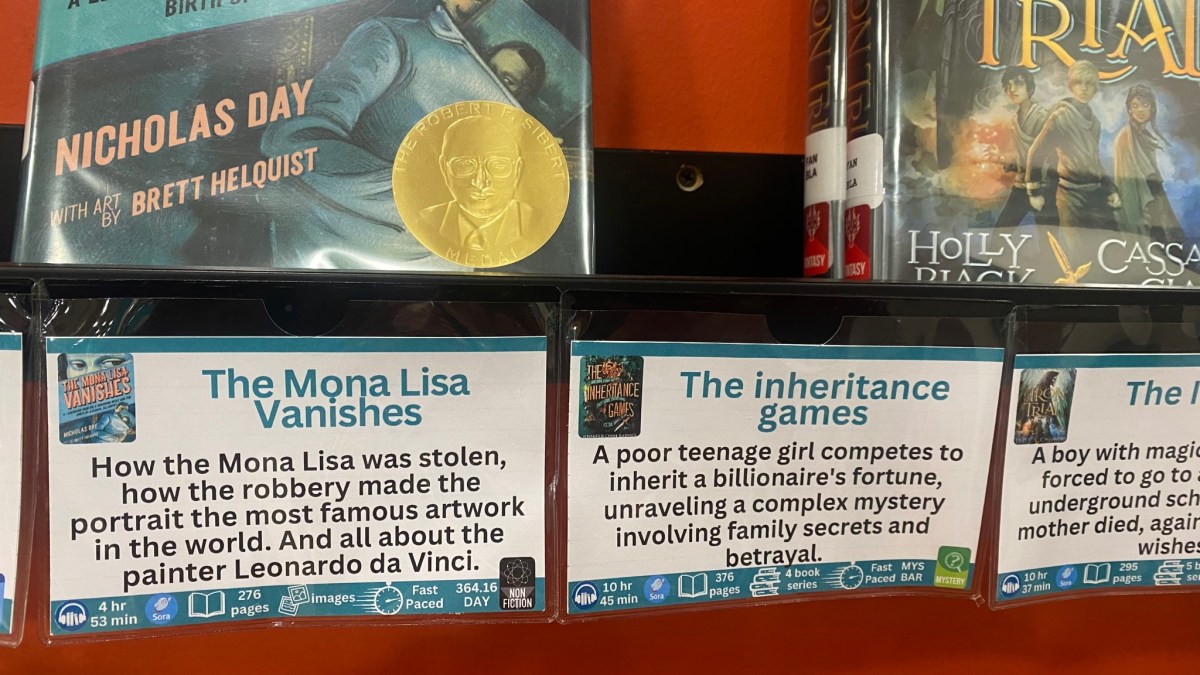
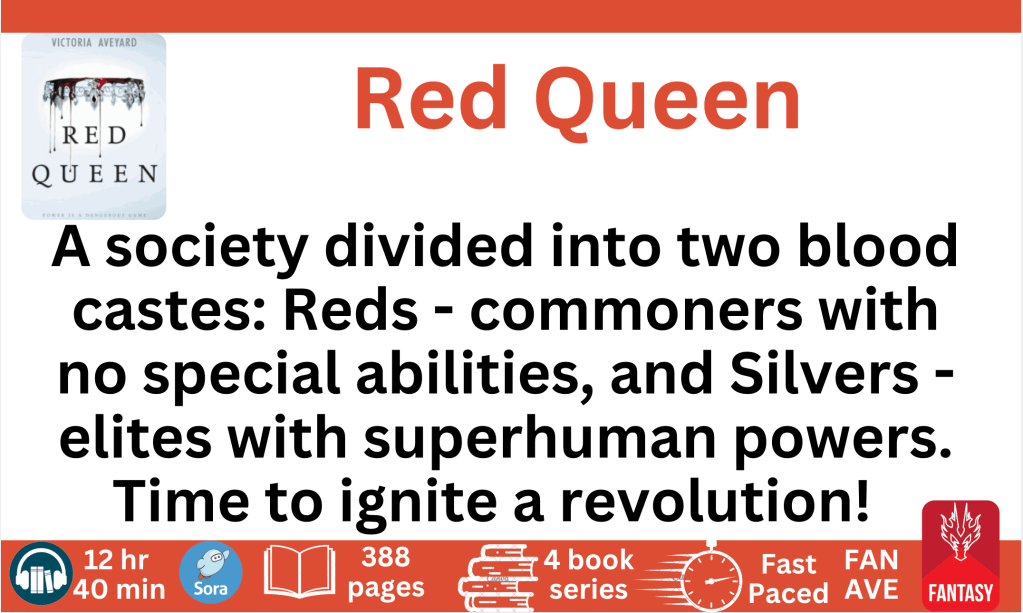
The shelf talker signs were based on inspiration from Kelsey Bogan but I wanted them to convey a little more information that I thought would be relevant in the “selling” process – first to our staff and then to our students, so I amended them a bit – the colouring corresponds to the grade, I added the book image and the genre image. Kept the blurb to 20-25 words (combination of publisher blurbs, Magic School AI summary powers and my knowledge of the book – AI can really get things badly wrong with what trigger words would encourage readers and be very repetitive with some phrasing!); I also added whether we had the eBook or Audiobook and the duration of the audio; pages of the book; whether it was part of a series, and the pacing.
Here are the canva files for our Grade 6; Grade 7 and Grade 8 lists – feel free to use or adjust as necessary.
The badges were made thanks to the loan of a badge maker by our design department and the “mini books” are images of the books on a piece of foam that the teachers can stick on their classroom door.
For the meeting, I put all the books on display with their paraphernalia, and the teachers were invited to select a book to borrow for the summer, commit to reading it and to help be the books “key account manager” for the coming year and promote it to students in the coming year. Our communications department helped by taking pictures of teachers with their chosen books (hiding the face) so we can use that for a little promotion guessing game in the new year); teachers borrowed the book and could put the badge on their lanyards. They “claimed” the book by putting a sticky note with their name on the poster. In the end, only 6 out of 52 staff members declined. Several teachers selected more than one book and our drama teacher selected 5 (and sent me a very enthusiastic voice mail last week to say she’d read them all and enjoyed them so much she’d also read all of the rest of the books in the various series, coming to a total of 17 books!).
So, watch this space and we’ll see if this has more of an impact in the coming year.
Other people / organisations making a big difference
Although not always realistic, I am a secret admirer of the “go big or go bust” approach to things. I suspect some times we are actually underestimating the abilities of our students by setting very low goals for them. There is a balance however between something being too daunting versus to infantile. Generally I suggest students should try and read a book a week – something quite manageable if one is truly spending 20-30 minutes a day in focused reading, perhaps combined with audiobooks and some manga / graphic novels. Also, our top readers (ironically – or not – none of whom have mobile phones) manage 2-3x that.
The Neev Reading challenge 2024 of 30 books over 3 months for grades 4-6 combined with author interactions, and a live quiz during the literature festival is a great example of setting a stretch goal, having competitive and noncompetitive tracks and a great starting point to select books. I just love how ideas grow and evolve. When I moved to Beijing in 2018, I was part of the 50 books Reader’s Challenge which I think the librarians at ISB started. In my role of juror for the Neev Children’s Book award, I was chatting to Neev about the challenge, and what worked and didn’t work quite as well – and they grabbed the ball, ran with it and now it’s this amazing thing!
I’ve blogged about the Global ReadAloud before, and still think this is a phenomenal way to involve students and teachers with books and connections with other readers and most importantly the “smelling salts” of reading aloud to them. Here are the selections for 2024. I particularly love “As long as the lemon trees grow” a book that’s on our core list and a fantastic read for older students.
At the end of the school year we have 6 library sessions involving our “upcoming” grade 5 into 6 students to introduce them to the Secondary School library. This year as an exit ticket I asked them to write down their favourite book / author / series. As I roamed around talking to them while they were doing this, I’d say that at least 75% of the books they said they loved the most were books that had been read to them by a teacher, parent, grandparent etc. Reading aloud matter.
Besides her work on the GRA – Pernille Ripp also has some great posters (and books) on encouraging a reading culture, such as the one on “Helping Home adults support adolescent readers”
That’s all I have time for today – if you’d like to have your initiative featured, please let me know!
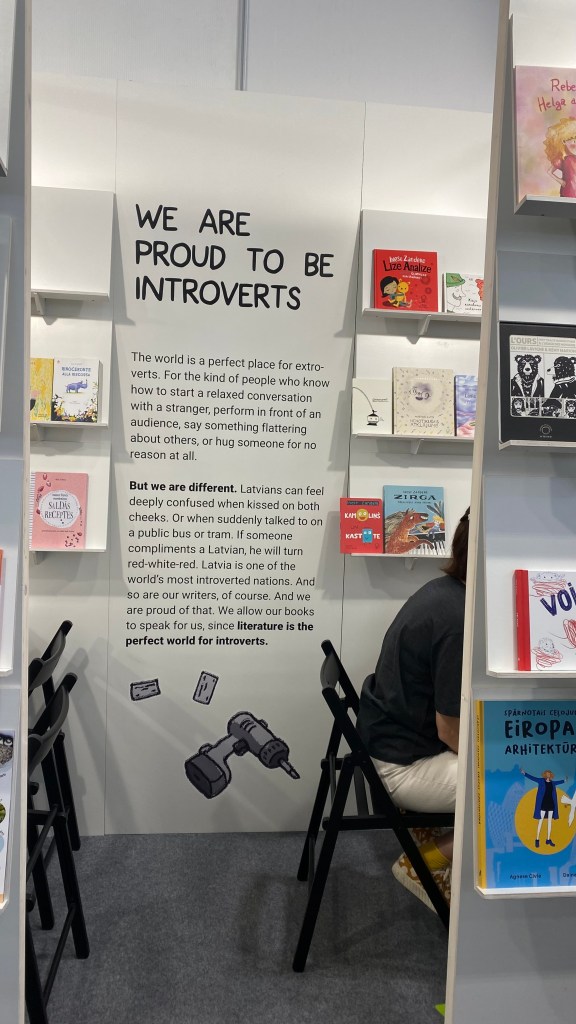
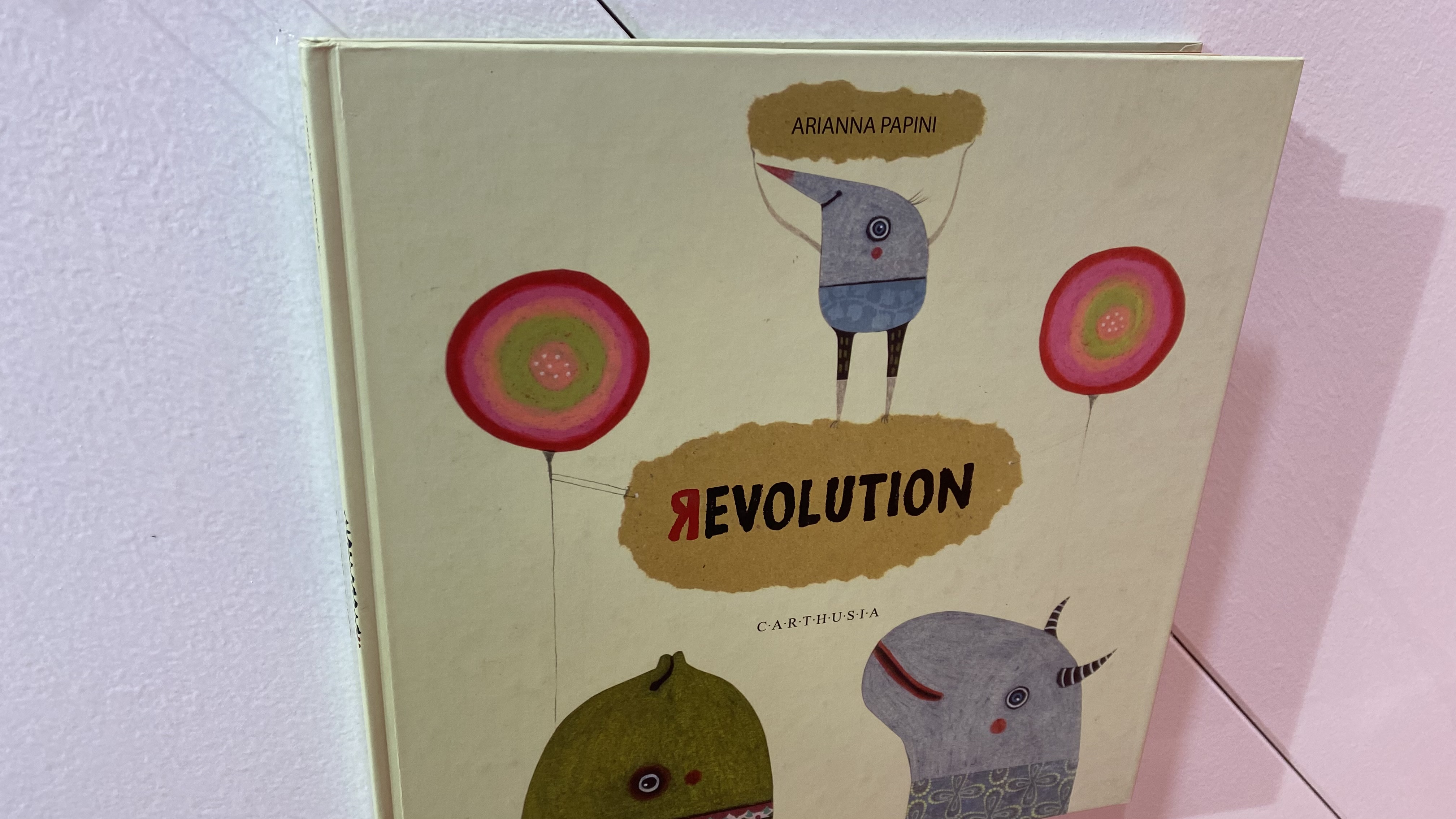
One of my book related highlights this year was being able to attend the Bologna Children’s Book Fair in April 2024. It’s been on my radar for years and the fact it took place during our school vacation and I could join a bunch of fellow librarians who were similarly disposed made it less of a “thing” to attend. For I am not fond of very large crowds in overwhelmingly big exhibition spaces (thank heavens for the Latvians who are proud to be introverts and celebrated that in their stand!) . Below are a few of my thoughts on the event.
The place of librarians
I’m not sure how to say this politely, but, like any other system, the publishing world for children is its very own special little ecosystem – this being the European version – I guess a kind of sub-species of the dominant USA version, where of course all the neighbours and relatives were free to join. Don’t get me wrong, I’m happy where-ever books and reading are celebrated, but I was quite fiercely put in my place during one of the sessions “PISA IN BOLOGNA. HOW TO FIGHT LOW READING SKILLS”. After the session – not during (I would not have dared) I asked the moderator Daan Beeke, Network Manager EURead, Stichting Lezen, how it could be that libraries and librarians were not mentioned once during the whole panel session and I was rebuked for thinking that this event was for anyone but publishers and marketers for the sales of books. Bam. And there I was thinking that us librarians were at the forefront of encouraging reading and fighting low reading skills. Or maybe could it be that there is a correlation between low reading skills and lack of support and funding for public and school libraries? Just maybe?
The place of the environment
I was extremely happy to see that “the environment” was featured prominently both in the exhibition spaces and on the event programme.
The events: “READING FOR A HEALTHY PLANET: INSPIRING CHILDREN’S BOOKS TO HELP ACHIEVE A SUSTAINABLE FUTURE” organised by the United Nations, and “UTILIZING STORYTELLING IN PRODUCT, MEDIA, PUBLISHING AND CONTENT TO CATALYSE SOCIAL AND ENVIRONMENTAL CHANGE” moderated by Helena Mansell-Stopher of Products of Change, and “SEA OF STORIES”
For 2024 the Special Category for the “BolognaRagazzi Award” was THE SEA. WINNER: Gianumberto Accinelli, Giulia Zaffaroni, Giù nel blu – Dalla superficie agli abissi: viaggio sottomarino sfogliabile. Nomos Edizioni, Italy, 2021 SPECIAL MENTIONS Antoine Guilloppé, Pleine Mer. Gautier-Languereau, France, 2018 Masakatsu Shimoda, 死んだかいぞく (The Dead Pirate). Poplar Publishing, Japan, 2020
One thing that super saddened me was that the whole event didn’t have the environment at the forefront as plastic bottles abounded and I didn’t notice any water fountains or water filling facilities – we brought our own bottles and of course the tap water from the bathrooms is 100% fine, but it would have been wonderful to see the events – in particular the ones on sustainability featuring reusable rather than plastic bottles.
The fair had two events around this topic: “ORIGINS: INDIGENOUS VOICES IN CHILDREN’S BOOKS” Moderator Dolores Prades, Founder, Director and editor, Istituto Emília, Brazil Panel Nat Cardozo, author and illustrator, Uruguay; Adolfo Córdova, author, Mexico; Jason Low, publisher and Co-owner, Lee & Low Books, USA; Aviaq Johnston, Inuk author, Canada; Victor D.O. Santos, linguist and children’s books author, Brazil/USA; David Unger, author and translator, Guatemala/USA; Eboni Waitere, Director, Huia Publishers, New Zealand.
The representative of The Indigenous Literacy Foundation (ILF) of Australia who won the prestigious Astrid Lindgren Memorial Award (ALMA) and is the 2024 ALMA Laureate, is a late inclusion on the panel and her discussion at 45.06 of the video below about the work they do, is worth listening to.
and “THE MOST PRECIOUS THING: VICTOR D.O. SANTOS IN CONVERSATION WITH VERA GHENO” – I wish the English publishers had retained “the most precious thing” as a title instead of “what makes us human” – just a personal quibble.
The place of dissent
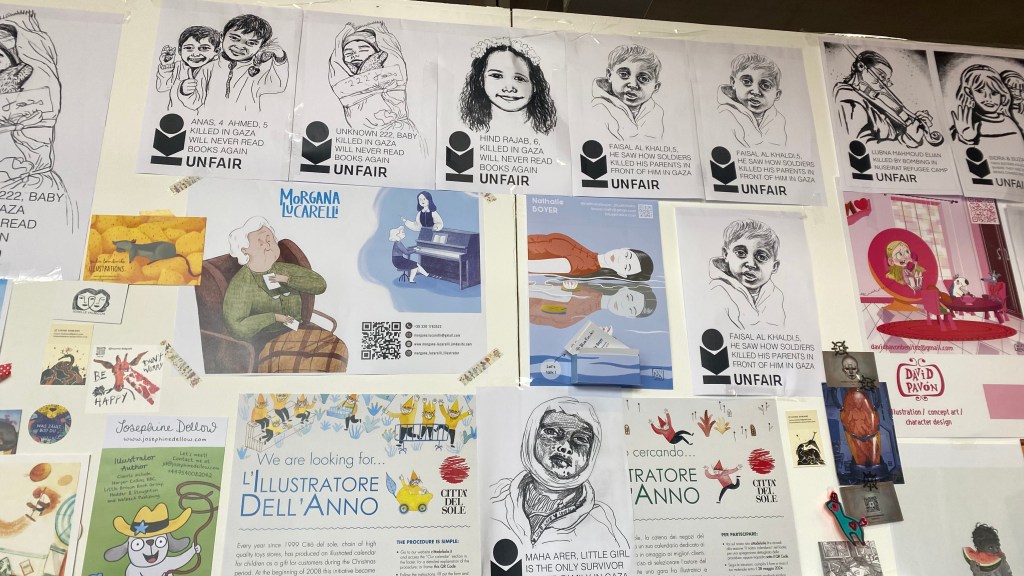
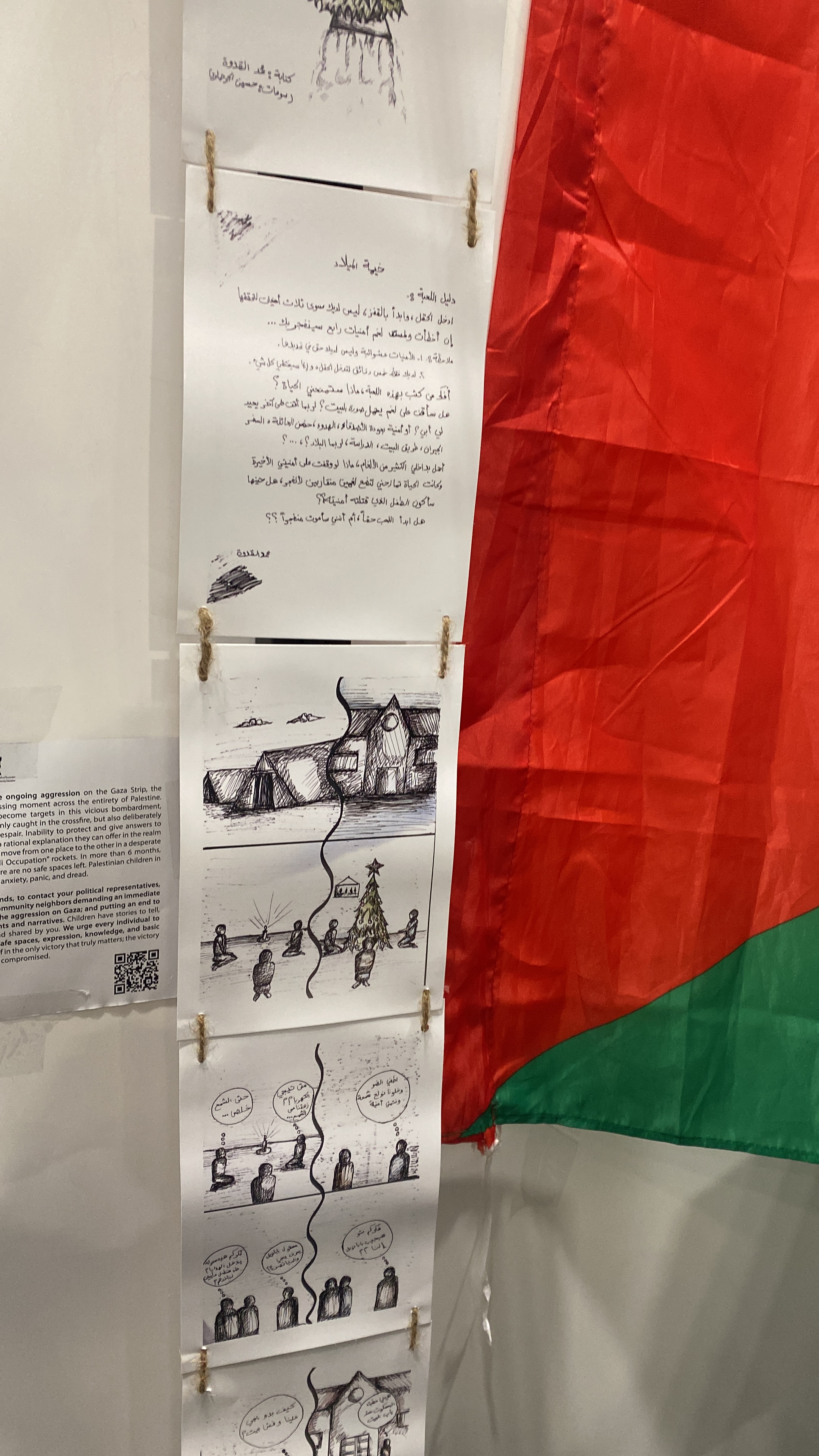
Following the issues around the 2023 LiBeraturpreis which was to be awarded to Adania Shibli, at the Frankfurt book fair last year, I was interested to see how and if dissent and awareness of geo-political issues would be handled in Bologna. There appeared to be a guerilla type of image bombing in the illustrator walls, some of which seemed to appear and disappear. Both Isreal and Palestine had representation.
It saddens me that while children are expected to live and die through wars, they have very little representation and “place” in children’s literature – yet – and what there is still focuses very heavily on the second world war experiences.
I find this type of header in the NYTimes to be quite disturbing “Teaching Young Children About War Without Frightening Them – Four new picture books tackle the subject in sensitive, reassuring ways.” I literally have no words about how insensitive that heading is.
I’ll write a whole separate blog on this some time – in the meantime please have a look at the lists created by Dr. Myra Bacsal on her Gathering Books Blog.
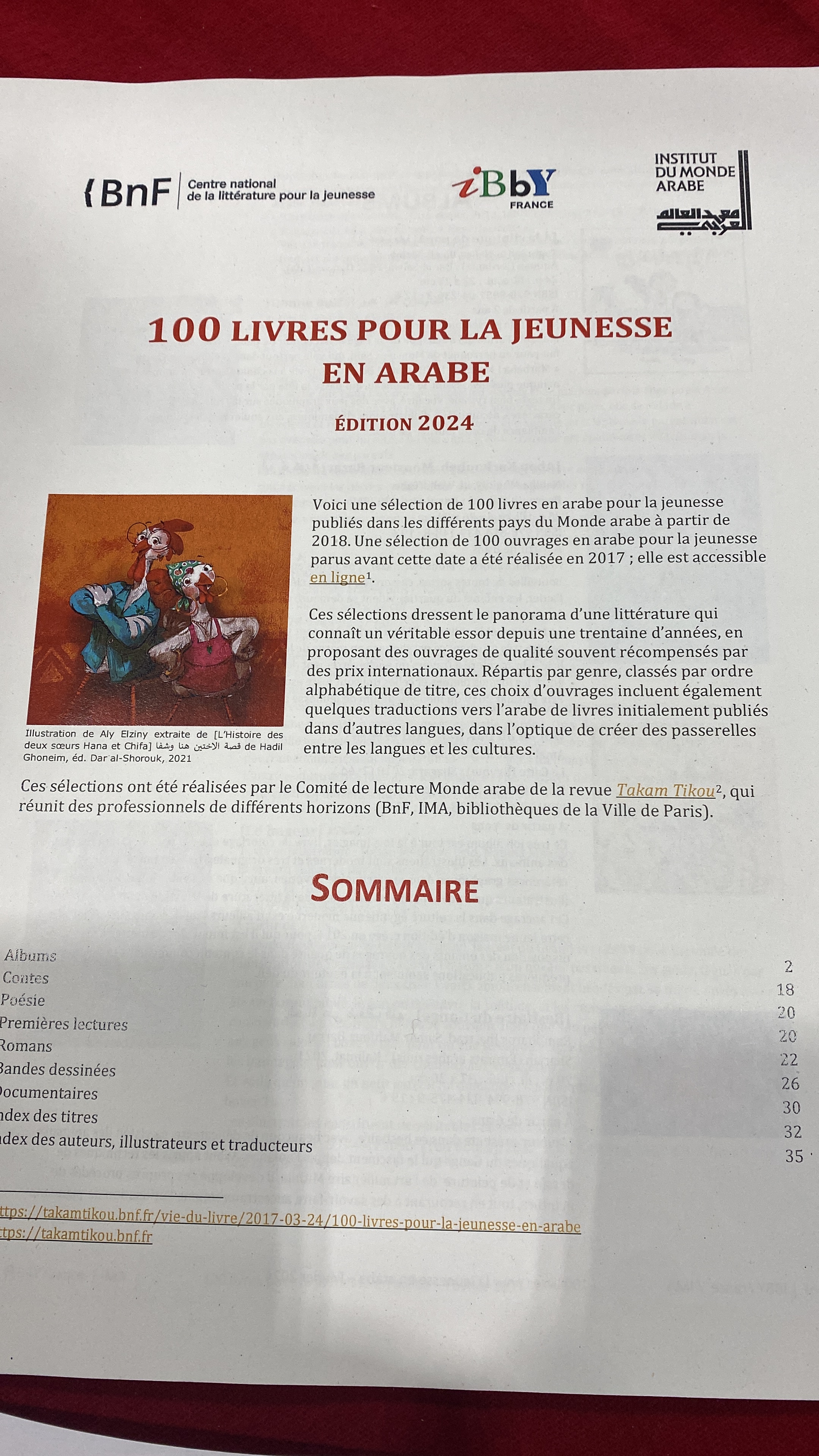
Given my own geo-location at the moment, I was interested to see that IBBY France has created a list of 100 books for young people in Arabic – here’s the link for the English version.
The place for silence
There is a special place in my heart and every library I’ve had the pleasure of working in for “wordless” or “silent” books, and the fair didn’t disappoint in that regard. Of course the highlight is the Silent Book Contest – Gianni De Conno Award and the exhibitions of the artwork around the award, as well as the previous years award winners. These are just the best books to have in your library for accessibility, thought provoking conversations and writing prompts.
The best compliment I’ve received in the last two years was from one of my (non reading) grade 8 books who said to me during an athletics event, “you know miss – I used to think you’re just the librarian, but now I know you’re so much more”. The history behind that is that after many years of being a middle of the pack longer distance runner (i.e after each event I was pretty much very much in the middle for my age group and distance), our athletics director at WAB was looking for some more coaching volunteers and I did some online certifications in track & field and cross country and joined the after/before school coaches as an extra warm body in Beijing. Here in Dubai I’ve mainly done track and in contrast with my teams in Beijing who were primarily the more academic types, I’m finding myself amongst some great kids who are very athletic but have an aversion to reading. Have I performed any miracles in making them readers? Well no, I don’t really think so. But I’d like to think I’ve gained some credibility and relationships that can open up conversations around what they could be reading. And it’s helped me in creating a new blended section in the library – our sports section.
New genre – sports
It started with noticing a lot of students were asking for books about “basketball” or “soccer” during our library classes, so initially a new genre of “sports” books was created split out of our realistic fiction section. That helped some during the first year in the new library. Then students were asking for more biographies of their favourite sports people and more books (nonfiction) on their favourite sports. Our nonfiction section in that regard needed some boosting, so we bought more books.
A new blended section – Sports
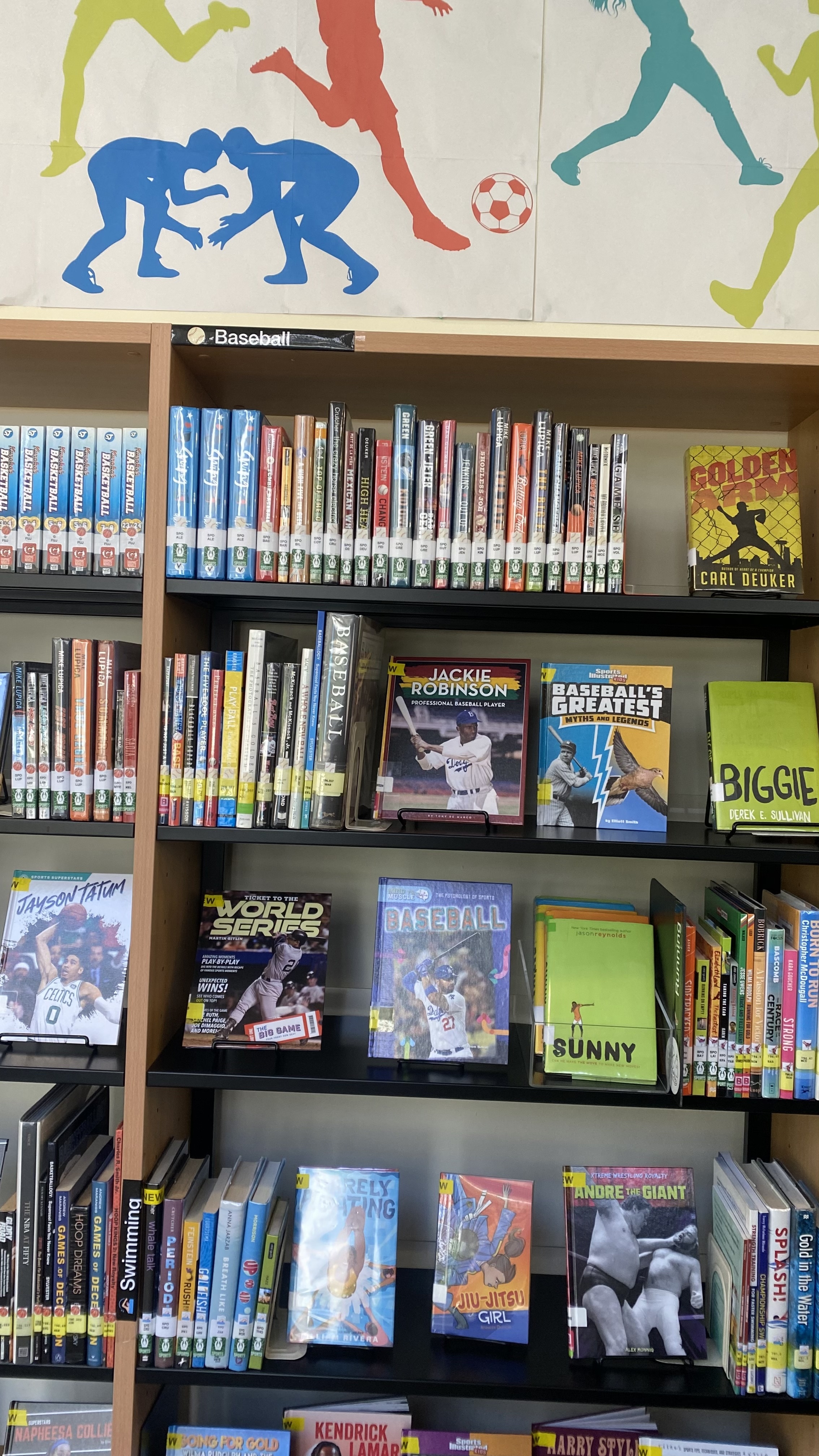
Since nonfiction, memoirs and biographies were upstairs and fiction sports downstairs it seemed logical to move them all to one place. So we trialed putting all our sports books together in a dedicated area. That meant pulling fiction, nonfiction, memoirs, biography, graphic novels and manga and sorting them by sport. Our poster was made in Canva in our library colours and is 3 panels representing the sports of our three sports seasons (template link). Our book spines have a small sticker of the sport represented to help with shelving.
We’ve probably doubled the circulation of our nonfiction sports books and it’s an area that garners a lot of attention. Unfortunately it is still really hard to find good fiction with sports themes. There are more good biographies and a small uptick in graphic novels and manga. Here are some of our best circulating titles.
Fiction
As you can see it’s heavily dominated by Jason Reynolds and Kwame Alexander. How I wish there were more authors writing shorter easy to ready and/or verse novels without naff babyish covers for this demographic!
Ghost – Jason Reynolds
The crossover – Kwame Alexander
Booked – Kwame Alexander
World in between : based on a true refugee story – Kenan Trebinčević
Patina – Jason Reynolds
Rebound Kwame Alexander
Stanford Wong flunks big-time – Lisa Yee
Defending champ – Mike Lupica
Boy 21 – Matthew Quick
Sunny – Jason Reynolds
Memoirs & Biographies
In particular the series by Matt and Tom Oldfield (from the playground to the pitch) and any of the Luca Caioli books are popular. And if you’re wondering who the GOAT is according to our students – Neymar and/or Ronaldo books outrank all the others.
Nonfiction
Anything soccer seems to dominate with basketball and F1 making an appearance. I was pleased to see one of my personal favourites – “The boys in the boat” tying with “The Barcelona complex” for 10th place as I’ve been promoting it heavily this year – I’m hoping the release of the movie will help it along as well.
Stars of world soccer – Jökulsson Illugi
The official history of the FIFA World Cup – FIFA World Football Museum
Outcasts united : the story of a refugee soccer team that changed a town – Warren St. John
THE FOOTBALL BOOK : the leagues, the teams, the tactics, the laws – David Goldblatt
Return of the king : Lebron James, the Cleveland Cavaliers, and the greatest comeback in NBA history – Brian Windhorst
The rise : Kobe Bryant and the pursuit of immortality – Mike Sielski
All thirteen : the incredible cave rescue of the Thai boys’ soccer team – Christina Soontornvat
F1 : the pinnacle : the pivotal events that made F1 the greatest motorsport series – Simon Arron
The race of the century : the battle to break the four-minute mile – Neal Bascomb
The Barcelona complex : Lionel Messi and the making–and unmaking–of the world’s greatest soccer club – Simon Kuper
The boys in the boat : the true story of an American team’s epic journey to win gold at the 1936 Olympics – Daniel James Brown (we have both the YA and the original version)
What are we missing?
All the books by Mike Lupica / John Feinstein / John Coy are unfortunately showing their age now and are also very much written for an American rather than international audience.
We’ve had some more interest in cricket recently and just haven’t found enough books – fiction or nonfiction to meet that need. While there are more graphic novels coming up we need more of them.
If you have any great suggestions I’d love to hear them.





































 Informative Flights - Musings of a Teacher Librarian