We’ve been on summer break for just over a week now and I’m feeling sufficiently rested to sit down and write again.
Book returns
The end of the school year is always a busy time for librarians with the dual task of getting overdue books back and making sure that students have enough of the right books in their hands to entice them to do some reading over the summer. It really is a dichotomy – the students who most need to read more are the ones who have the hardest time keeping track of books – probably because they just borrow because they’re being told to do so and then promptly put the books somewhere never to be found again. And then of course when they become overdue it’s a fuss and bother and they are even less inclined to borrow.
Inventory
The big tasks include doing inventory – something we’ve turned more into a continual process so by the end of the year it’s more just following up on missing items – often they return – from students (or more often returned by nannies or parents) who consider going past the circulation desk as being optional. Unfortunately being in the middle east certain types of books also just disappear depending on the heat of current rhetoric – or in the case of this year actual bombing going on.
Core Collection
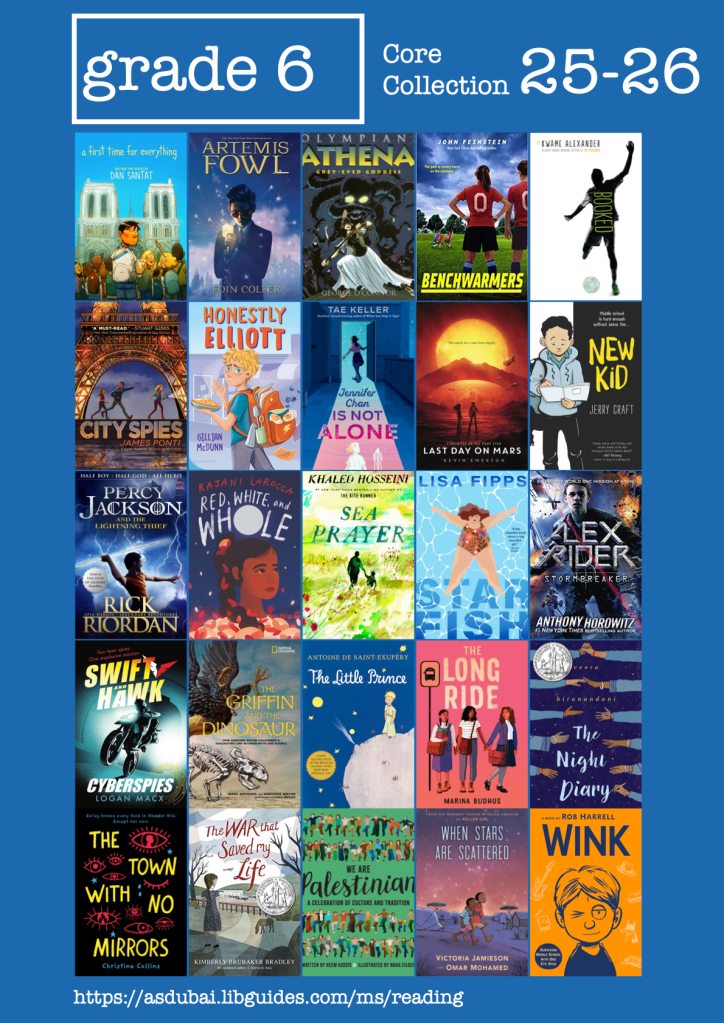
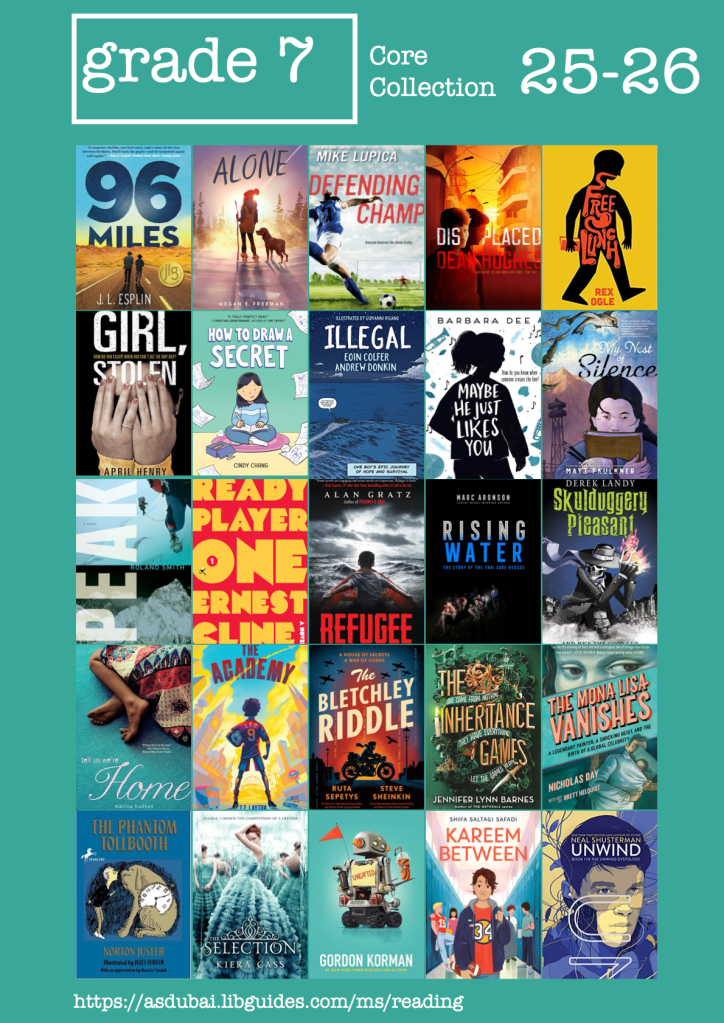
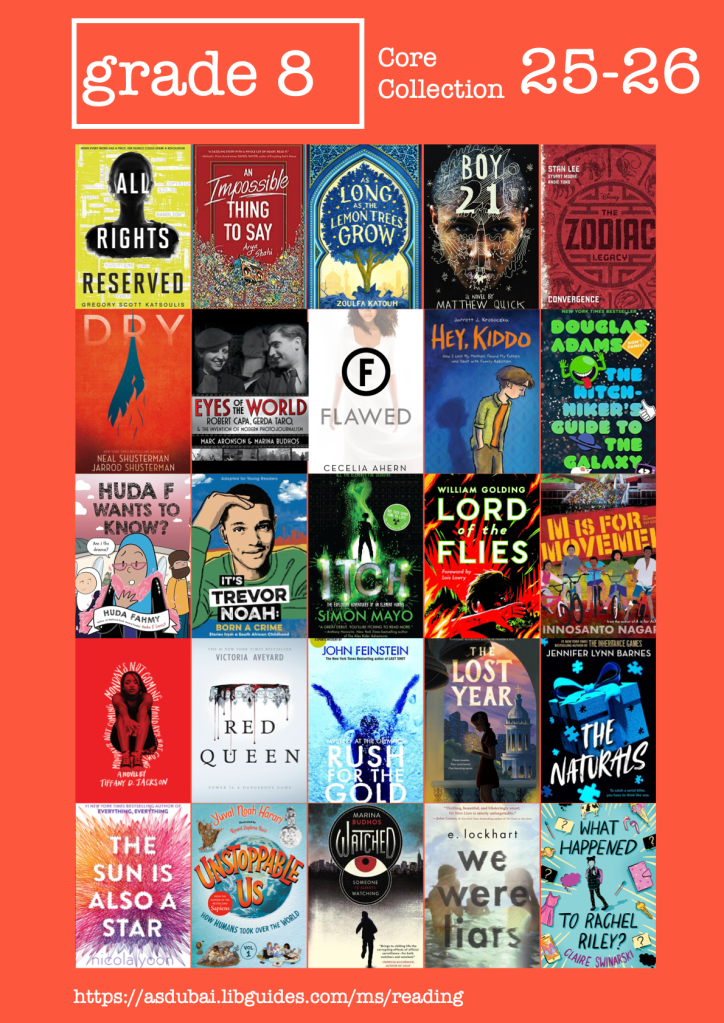
With our ELA (English Language Arts) department I’ve been very busy creating our new “Core Library Books” for the coming year (Grade 6; Grade 7; Grade 8)
And, continuing the tradition started last year, promoting them first with our middle school faculty. I’ll do a separate blog on the result of the core collection this year.
Summer reading
This also feeds into our Summer Reading Libguide which we try to promote as much as possible with students and parents. A few of the ELA classes had their students explore the guide and the various reading lists in detail and then make their own reading goals based on the lists and then email their parents with their reading plans and either borrow the books or request parents purchased them for the summer. I was also on hand with Sora Marketplace open to purchase the eBook or Audiobook for the students who wanted a digital copy. Our summer reading borrowing guideline is “as many books as you need and know you can take care of and return after the break“
Annual Report
The most arduous task at the end of the year, and one which it seems many international school librarians have more or less given up on, is creating the annual report. I can see why people stop doing this. With declining borrowing / reading it can be quite a depressing exercise. It’s also remarkably difficult to get good data our of our systems. Follett Destiny is a dreadful platform to get good data from – in contrast with other systems. I was reading Rutger Bregman’s “Moral Ambition” (see video below) around the same time, and came across the concept of vanity metrics – basically just putting together data that makes you look good. With that at the back of my mind, putting the report together (Annual Report 2024-25) became this exercise in trying to show both that the situation with reading is not great while trying to show that as librarians and teachers we’re doing our darnest to turn the tide and hopefully all is not lost. And even when we lose in reading perhaps we’re making inroads in research. Much as I hated studying business / accounting and was glad to escape being financial person it did put me in good stead for being able to work with data.
I’m planning on doing a bit more blogging this break, so keep coming back! Comment on any topics you’d like to see covered.
My good intentions to blog more have come to naught, but here’s some of the stuff I’ve been busy thinking about / learning / pondering / contemplating.
Read Around:
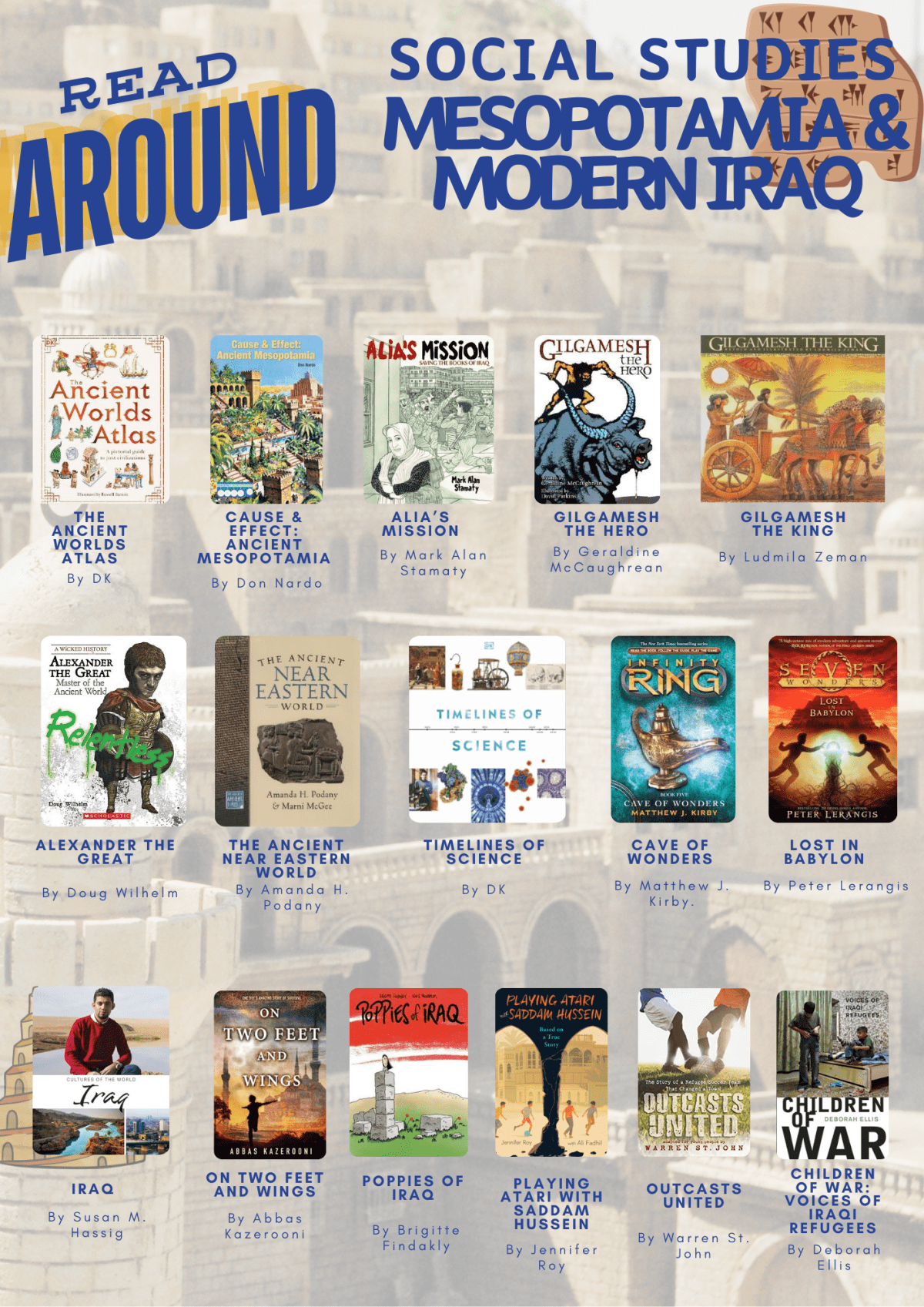
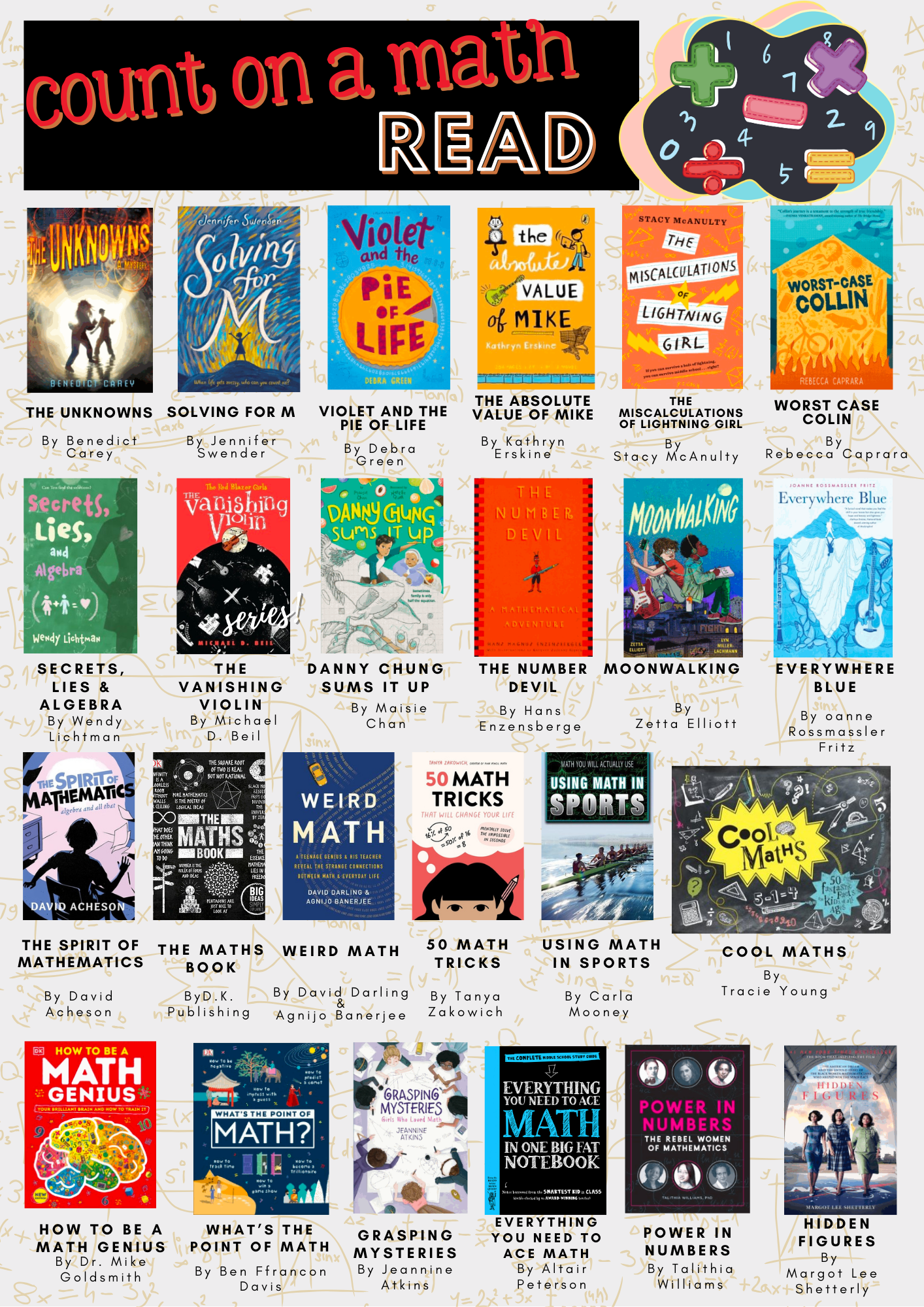
One of the things I’ve noticed moving from PYP / elementary librarian to Middle School is the apparent lack of curiosity in the students coming into the library. I’m sure there are many developmental and sociological reasons for this – not the least the necessity to belong and be cool. This combined with my drive to help “sense-making” in the library for our students – where a plethora of books is wonderful from a curation point of view but hopeless from a choice POV (POV is a very important thing in middle school parlance at the moment) means I’m spending a lot of my spare time (haha, not much of that unfortunately) making “read around” posters that go into look books that are a non-digital physical way of signposting books and hopefully stimulating curiosity and interest beyond what’s going on in the curriculum.
It’s still in a pretty messy form, so I’m not quite yet ready to share my Canva templates, but here are a few examples.
Kind of related to that Katie Day and I are busy creating the “Essential Middle School Nonfiction book list” – a “best of” in our opinion of the books now available for Middle School Students – and tagging the books along a bunch of dimensions of format, topic, geo-location etc. That should be ready soonish.
Learning and AI
Again, with my partner-in-learning, Katie, we’re preparing a talk for educators and parents for the Neev Literature Festival (if you’re anywhere near Bangalore India, that’s the place to be next week – an amazing line up of authors and speakers).
I became somewhat interested in AI, Blockchain and learning and matters related in the summer of 2018 thanks mainly to an article by Jeremy Howard on learning Chinese since at that point I was still in China and actively learning Chinese and I’m always fascinated and very fond (in an intellectual sense) of people who were climbing that mountain with me – this is a more recent podcast featuring him on the subject. I’ve since moved on to learning French and German using Duolingo – which I’m still somewhat deeply sceptical about, but more or less sucked into a learning streak which I suspect is more algorithmically behaviourally induced than true learning. I remember moments learning chinese when I literally was feeling my brain creaking – something Duolingo hasn’t managed to re-create.
Where am I now? Well, AI has progressed a lot faster than my interest in it, if I am completely honest. I’m not sure if it’s a result of a fundamental distrust of whatever the “latest thing” is, or I’m joining Socrates and Plato on a distrust of a new technology – their view being “writing is a fundamentally representational activity. The act of writing only records ideas; it cannot generate them” and I’m with the AI camp saying “AI is a fundamentally regenerational activity; it can only regenerate ideas; it cannot generate them”. Actually I must say I disagree that writing only records ideas – through the process of writing and researching in order to write I do think I generate ideas … maybe not world-changing ones, but ideas nonetheless.
A few things I’ve been watching / reading that I think are of use have been:
Rory Sutherland’s “Are we too impatient to be intelligent” two quotes I particularly liked were “…a problem, I think, which bedevils many technologies and many behaviours. It starts as an option, then it becomes an obligation. We welcome the technology at first because it presents us with a choice. But then everybody else has to adopt the technology, and we suddenly realize we’re worse off than we were when we started.” and “there are things in life where the value is precisely in the inefficiency, in the time spent, in the pain endured, in the effort you have to invest.” – thinking about what he is saying resulted in the title of this blog.
Jay Caspian Kang’s “Does A.I. Really Encourage Cheating in Schools?” with this message “school isn’t about creating new scholarship or answering questions correctly—it’s about teaching proper work habits. A young person who takes the time to go into a library is more likely to develop the types of work habits that will allow him to find accompanying bits of information that might be useful in creating a novel, an algorithm, or a convincing argument. Setting aside the obvious offense of dishonesty, the problem with cheating isn’t so much that the student skips over the process of explaining what they learned—it’s that they deprive themselves of the time-consuming labor of actually having read the book, type out the sentences, and think through the prompt.”
Joshua Rothman’s “What Does It Really Mean to Learn?” – I really loved this article about Leslie Valiant’s book “The Importance of Being Educable” – our ability to learn over the long term. I started reading the book but think the article actually covers the most important points very well.
I’ve also been reading around various academic papers in search of some kind of a framework within which to think about how to teach critical information literacy towards AI. There are a lot of very interesting “click-bait” titles, but so far not very much in the way of substance – so watch this space.
I’m wondering if it’s time for a renaissance. At least in the conversations I’m having with some educators we’re moving back to using nonfiction books for research, printing out articles from databases, using fewer resources more intensively and other such retro ideas. Faced with 22 students aged 10-12 learning about inventions in Mesopotamia I am resisting using the phrase “skim and scan” before they can actually read a paragraph, a page, a chapter and be able to tell what the main idea is and how that relates to what they already know and what they think they still need to find out.
It’s been a little while – but I’m going to direct you all to what I consider to be one of the best series of articles the NY Times has brought out – Errol Morris’ “The Anosognosic’s Dilemma: Something’s Wrong but You’ll Never Know What It Is” about the Dunning-Kruger effect “When people are incompetent in the strategies they adopt to achieve success and satisfaction, they suffer a dual burden: Not only do they reach erroneous conclusions and make unfortunate choices, but their incompetence robs them of the ability to realize it.” besides American (and other) politics, there are few places where this is more rampant than in middle school. It’s not our role as educators to point this out to our students, but rather to bring them to the point where we create the environment where they are nudged into making the right choices – at the very least around learning and to commence that journey of being able to glimpse the horizons of knowing what they don’t know.
Yet again an article despairing how kids are not reading “For Too Many Kids, Books Are Uncool and Unread” with all sorts of “reasons” and little in the way of solutions. So here are a few people / places / organisations who are trying to do something and a little on the work I was doing recently.
Engage everyone
While language arts / language and literature teachers and particularly librarians are often called upon or take it upon themselves to play a role in turning out literate students who hopefully also enjoy reading – it is a mistake to pigeonhole the efforts onto a few people. Just like I spend quite a few hours of my week engaged in coaching students in sport I like to think that my colleagues in other subject areas – including Physical Education etc. could spend a bit of time encouraging students to read. Particularly PHE teachers – since as my now young adult son (previously reluctant reader middle school son) told me “give up mom, middle schoolers don’t listen to anyone except maybe their PHE teachers and sports coaches”.
Last year I started having a core collection (an idea initially started in the UK by CLPE, and carried on internationally by Katie Day) of 25 books per grade for our middle school. We invested in at least 3 copies of most of the books and the books were promoted in the ELA (English Language Arts) classes and the library. Having a narrower selection of books to focus on meant that as a group we could try and read as many of these as possible and “sell” them to students. The news crew of our “Falcon Flyer” also helped with promotion by featuring the books, and they were also displayed on our internal TV screens in the library and MS corridor. A weekly quiz via google forms and the “Battle of Core” assembly were less successful than I’d have liked – but let’s say it was something to build on. However when I analysed the circulations from these 75 books I was positively surprised and just how many had circulated. As can be seen – kids still prefer print, and audio is their least preferred medium.
In my discussion with the ELA department about declining reading there was a strong feeling that promoting the books shouldn’t just be on them – and I took that thought to heart and just before the summer in our last staff meeting with the support of our admin launched the “staff summer reading challenge”
This involved quite a bit of preparation work, starting about 6 weeks before the end of term, including updating the lists for the new year, taking out books that weren’t popular or didn’t resonate with students, getting suggestions from our most avid readers (and asking them to pre-read where I wasn’t sure which book would be better) and making sure we had coverage of genres, levels of difficulty and format (verse novel, graphic novel, nonfiction, memoir, fiction) and our books were reflective of our community – each grade having at least one book with a muslim perspective as we’re in the UAE. Our new list can be found on our reading libguide. Next up was making sure all the books were ordered so that they were available before the meeting and then making new posters, shelf-signs with a summary, badges and a “mini-book”.
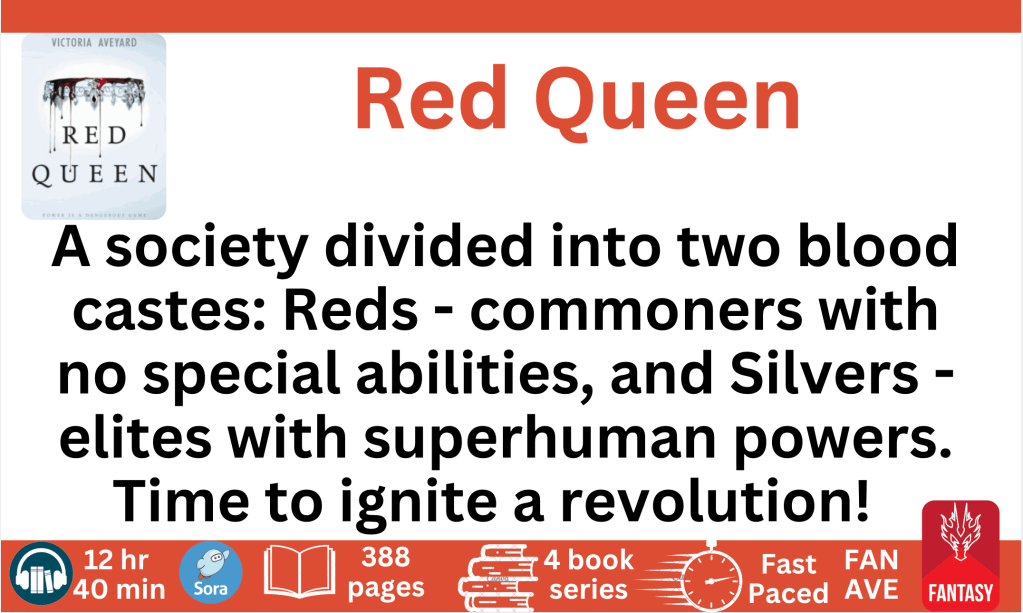
The shelf talker signs were based on inspiration from Kelsey Bogan but I wanted them to convey a little more information that I thought would be relevant in the “selling” process – first to our staff and then to our students, so I amended them a bit – the colouring corresponds to the grade, I added the book image and the genre image. Kept the blurb to 20-25 words (combination of publisher blurbs, Magic School AI summary powers and my knowledge of the book – AI can really get things badly wrong with what trigger words would encourage readers and be very repetitive with some phrasing!); I also added whether we had the eBook or Audiobook and the duration of the audio; pages of the book; whether it was part of a series, and the pacing.
Here are the canva files for our Grade 6; Grade 7 and Grade 8 lists – feel free to use or adjust as necessary.
The badges were made thanks to the loan of a badge maker by our design department and the “mini books” are images of the books on a piece of foam that the teachers can stick on their classroom door.
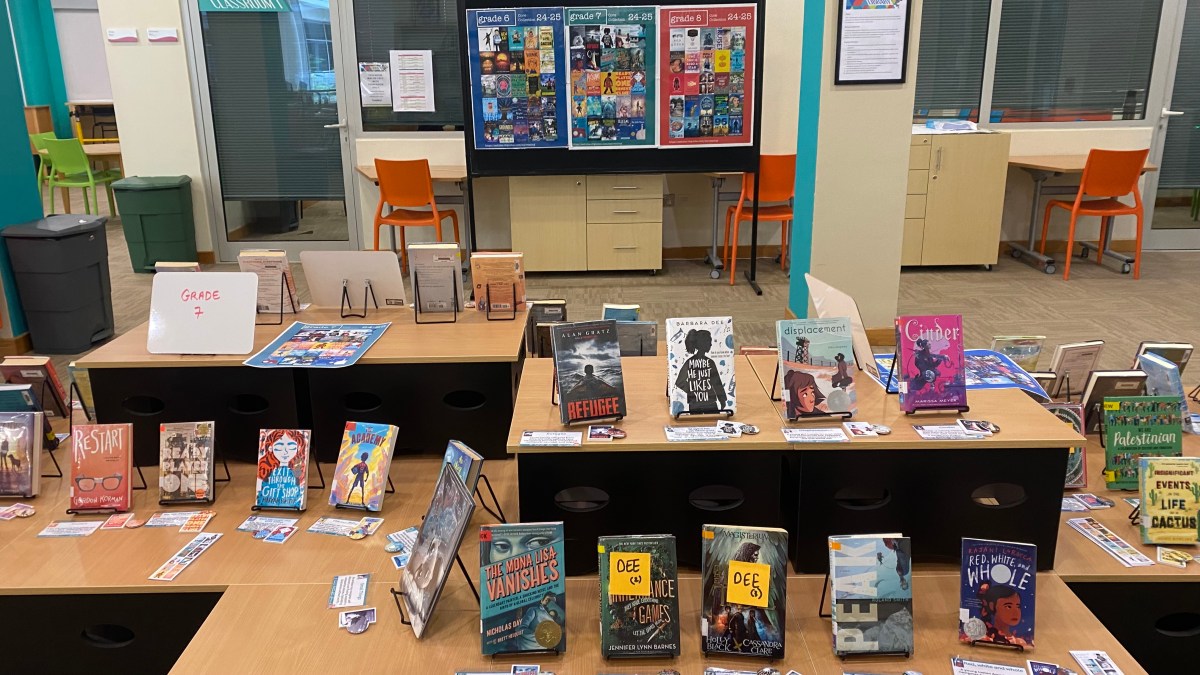
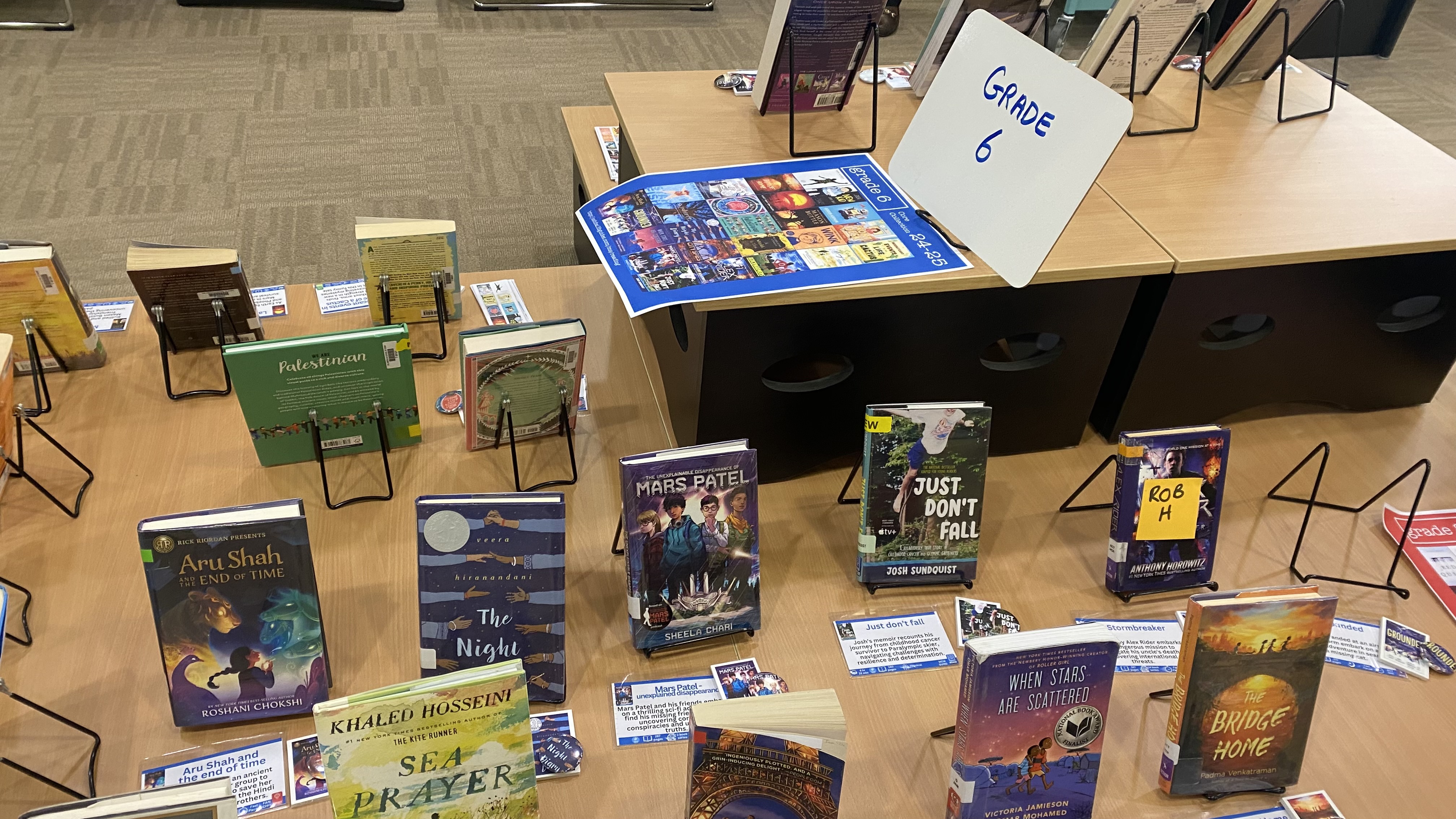
For the meeting, I put all the books on display with their paraphernalia, and the teachers were invited to select a book to borrow for the summer, commit to reading it and to help be the books “key account manager” for the coming year and promote it to students in the coming year. Our communications department helped by taking pictures of teachers with their chosen books (hiding the face) so we can use that for a little promotion guessing game in the new year); teachers borrowed the book and could put the badge on their lanyards. They “claimed” the book by putting a sticky note with their name on the poster. In the end, only 6 out of 52 staff members declined. Several teachers selected more than one book and our drama teacher selected 5 (and sent me a very enthusiastic voice mail last week to say she’d read them all and enjoyed them so much she’d also read all of the rest of the books in the various series, coming to a total of 17 books!).
So, watch this space and we’ll see if this has more of an impact in the coming year.
Other people / organisations making a big difference
Although not always realistic, I am a secret admirer of the “go big or go bust” approach to things. I suspect some times we are actually underestimating the abilities of our students by setting very low goals for them. There is a balance however between something being too daunting versus to infantile. Generally I suggest students should try and read a book a week – something quite manageable if one is truly spending 20-30 minutes a day in focused reading, perhaps combined with audiobooks and some manga / graphic novels. Also, our top readers (ironically – or not – none of whom have mobile phones) manage 2-3x that.
The Neev Reading challenge 2024 of 30 books over 3 months for grades 4-6 combined with author interactions, and a live quiz during the literature festival is a great example of setting a stretch goal, having competitive and noncompetitive tracks and a great starting point to select books. I just love how ideas grow and evolve. When I moved to Beijing in 2018, I was part of the 50 books Reader’s Challenge which I think the librarians at ISB started. In my role of juror for the Neev Children’s Book award, I was chatting to Neev about the challenge, and what worked and didn’t work quite as well – and they grabbed the ball, ran with it and now it’s this amazing thing!
I’ve blogged about the Global ReadAloud before, and still think this is a phenomenal way to involve students and teachers with books and connections with other readers and most importantly the “smelling salts” of reading aloud to them. Here are the selections for 2024. I particularly love “As long as the lemon trees grow” a book that’s on our core list and a fantastic read for older students.
At the end of the school year we have 6 library sessions involving our “upcoming” grade 5 into 6 students to introduce them to the Secondary School library. This year as an exit ticket I asked them to write down their favourite book / author / series. As I roamed around talking to them while they were doing this, I’d say that at least 75% of the books they said they loved the most were books that had been read to them by a teacher, parent, grandparent etc. Reading aloud matter.
Besides her work on the GRA – Pernille Ripp also has some great posters (and books) on encouraging a reading culture, such as the one on “Helping Home adults support adolescent readers”
That’s all I have time for today – if you’d like to have your initiative featured, please let me know!
Last night my daughter asked me about citations for her Geography project. Now let it be made clear, my children, while lovely human beings, are in the “potted plant” phase of adolescence. So this was pretty rare. It’s also rare for them to acknowledge my knowledge or specialisation either. But despite her multi-big-$$ education in a big name school (not where I’m at), and the fact that she’s highly motivated and organised, good research habits have not been instilled in her. Her references consisted of a couple of URLs and the in-text citations were random with “I KNOW mum sigh” when I raised my eyebrows. I asked what referencing style she had to use – “we can chose”. So I suggested APA – because I love it more than MLA8 and because Geography as a humanities subject is probably better suited to it long term.
I then had to teach her a few of the research habits that have served me well through two back-to-back masters degrees. This stuff is not brain science. If anything it’s like washing dishes and putting them in the cupboard. We re-activated her Evernote account that she’d opened for one enthusiastic teacher some time in the last 6 years. We then clipped all the articles into a Geography file in Evernote and tagged them with the project name. Next up was getting her citations into Zotero, the tool I prefer for upper secondary.
(After the whole debacle about RefMe / EasyBib etc. I’m committed to one tool, not following the latest trend, which inevitably seems to be about who is trying to monetise education and learning. For primary and Middle School, it’s Noodletools)
There are many things I like about Zotero. The fact that it’s amazingly accurate in its citations and the really really good customer support being the main ones, but also the intelligence and diligence of the user-base can’t be denied. I was pleased to see that in their latest update – getting set up and integrated into Word has been made a whole lot easier. Yes, good old fashioned Word. GoogleDocs have their place but when one moves from being a child, you need to be more sophisticated and demanding in your needs and GoogleDocs doesn’t cut it.
So then I had her put the references in, via the Chrome extension (download the extension), make sure she had the right citation type, put in the missing data. Showed her OWL Purdue for APA, bookmark it, showed her the APA style blog site which has more relevant Q&A type things – like how to cite Google Maps).
And then the magic could happen – click on the end of the sentence, open Zotero in Word, put in the in text citation, click at the end of the document and have all the references upload. Two hours. But hopefully that will be a lifetime of research “washing up” as you go along rather than crisis at the end.
Then I asked her what the style guide was for her assessment. Again, nothing. Really teachers, please just get in the habit of telling them what you want things to look like. Line spacing, headings, margins, citation style etc. It really will set them up for University where this type of thing is so important. Stupidly important maybe, but professors can and do deduct plenty of marks for not getting it right.








 Informative Flights - Musings of a Teacher Librarian