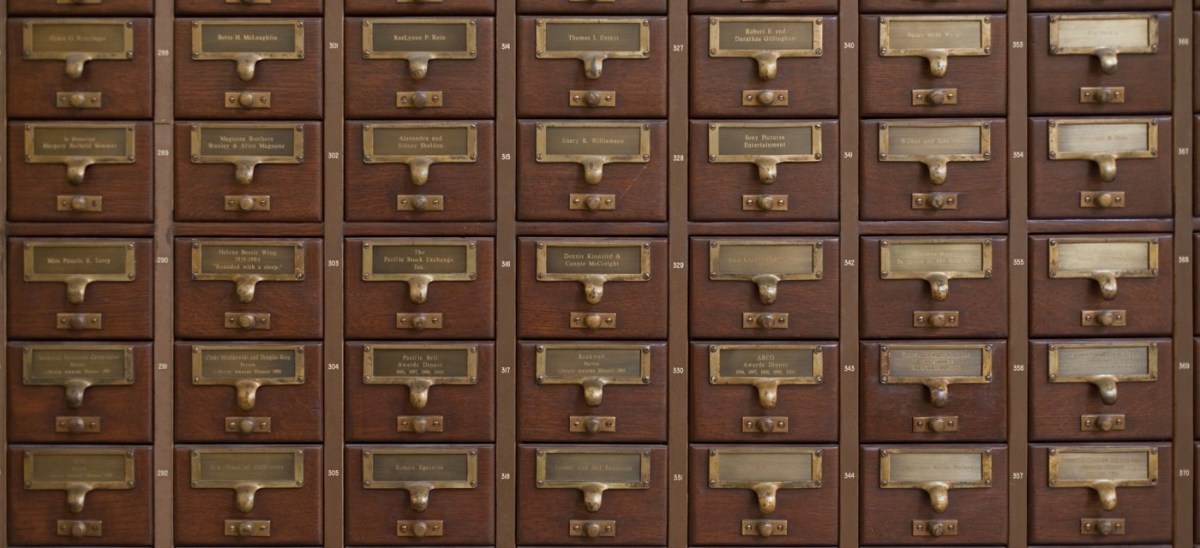
And it’s not the usual stuff about being poor misunderstood under-utilized bits of the school / community. No, the frustration goes much much further. It’s about how information, knowledge, books, data, well just about anything is NOT being tagged and catalogued and made generally searchable, available.
What prompted this? Well my inbox. I subscribe to a few blog sites that are, well let’s say prolific is an understatement. One is the NerdyBookClub and the other is Global Literature in Libraries Initiative and the last is Gathering Books. And do you know what is terribly frustrating – I get behind on the reading. Terribly behind. And I know there are all sorts of ways of IFTTTing your inbox, but what I’d prefer is that theses consortia of writers (because no one human can be so prolific, so usually the blogs are written by teams) would just tag their posts, and make the tags obvious at the TOP of the blog, so that I know whether to read it now or leave it for later or just delete it.
Let’s take some examples that I’ve been reading today in a desperate attempt to tame my inbox:
GLLI: French Graphic Novels in translation – not categorised and no tags. If I’d been writing that post it would have had the tags of: French, Translation, Graphic Novels, Middle Grade at the very least. Then I’d immediately know that it’s worth a read, because I need to increase the diversity of my collection, so some French books in translation are relevant. My students love GN’s so that would have caught my interest but NOT if the tag included YA, since right now I’m in K-6
NBC: A look at expository literature: again, the only tag is the author and their twitter tag. Not enough. I needed to know that they were talking about: picture books, nonfiction, mentor texts, and that it included a booklist.
Gathering Books: Fears etc. again a fabulous site with resources, but the layout and curation makes my head spin and spin and spin. It’s really hard to find stuff, there are so much great reviews going on, but then sometimes it’s poetry, sometimes it’s other stuff. The posts are allocated to categories, but don’t seem to be tagged, so if I wanted to see all the book reviews on grief, or death, or migration for example I wouldn’t be able to do so.
And then the HUGE question of where all this goes? And it’s a really big question. Because we all know the problems of finding great and diverse literature. Of finding authors with a unique voice who are new and interesting and not part of the publishing machinery. Ones that aren’t institutionalised onto the same old same old top 10 lists.But why do we keep going back to those lists? Because it’s so easy.
Where are all these fabulous blogs curating their book lists? Where are the catalogues? Are they on Goodreads with a proliferation of shelves or on LibraryThings with 100s of tags and collections? Where are the links and the connections and the overlaps? Even the ones working together (like NBC) seem to be working on their own.Their site has a store selling mugs for heavens’ sake. The list on the side is a list of their bloggers, not of the books / categories / shelves. Even the Nerdies – their awards page, is an unlinked list of books that is not tagged or categories in any way… where are the librarians? This is not a criticism of what they’re doing – they’re doing some fabulous things – it’s about how they’re doing it, and how much easier it could be for their readers / followers!
 Informative Flights - Musings of a Teacher Librarian