Who do we publish for?

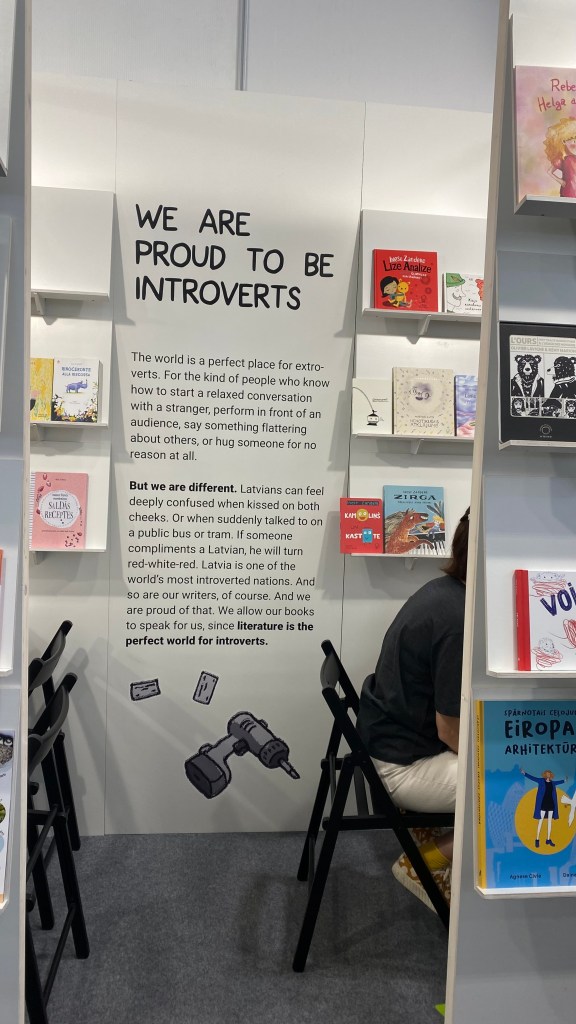
One of my book related highlights this year was being able to attend the Bologna Children’s Book Fair in April 2024. It’s been on my radar for years and the fact it took place during our school vacation and I could join a bunch of fellow librarians who were similarly disposed made it less of a “thing” to attend. For I am not fond of very large crowds in overwhelmingly big exhibition spaces (thank heavens for the Latvians who are proud to be introverts and celebrated that in their stand!) . Below are a few of my thoughts on the event.

The place of librarians

I’m not sure how to say this politely, but, like any other system, the publishing world for children is its very own special little ecosystem – this being the European version – I guess a kind of sub-species of the dominant USA version, where of course all the neighbours and relatives were free to join. Don’t get me wrong, I’m happy where-ever books and reading are celebrated, but I was quite fiercely put in my place during one of the sessions “PISA IN BOLOGNA. HOW TO FIGHT LOW READING SKILLS”. After the session – not during (I would not have dared) I asked the moderator Daan Beeke, Network Manager EURead, Stichting Lezen, how it could be that libraries and librarians were not mentioned once during the whole panel session and I was rebuked for thinking that this event was for anyone but publishers and marketers for the sales of books. Bam. And there I was thinking that us librarians were at the forefront of encouraging reading and fighting low reading skills. Or maybe could it be that there is a correlation between low reading skills and lack of support and funding for public and school libraries? Just maybe?

The place of the environment

I was extremely happy to see that “the environment” was featured prominently both in the exhibition spaces and on the event programme.

There was a glorious exhibit of “Reading for a healthy planet” with the 70+ books from around the world available to browse (link takes you to a list).


The events: “READING FOR A HEALTHY PLANET: INSPIRING CHILDREN’S BOOKS TO HELP ACHIEVE A SUSTAINABLE FUTURE” organised by the United Nations, and “UTILIZING STORYTELLING IN PRODUCT, MEDIA, PUBLISHING AND CONTENT TO CATALYSE SOCIAL AND ENVIRONMENTAL CHANGE” moderated by Helena Mansell-Stopher of Products of Change, and “SEA OF STORIES”

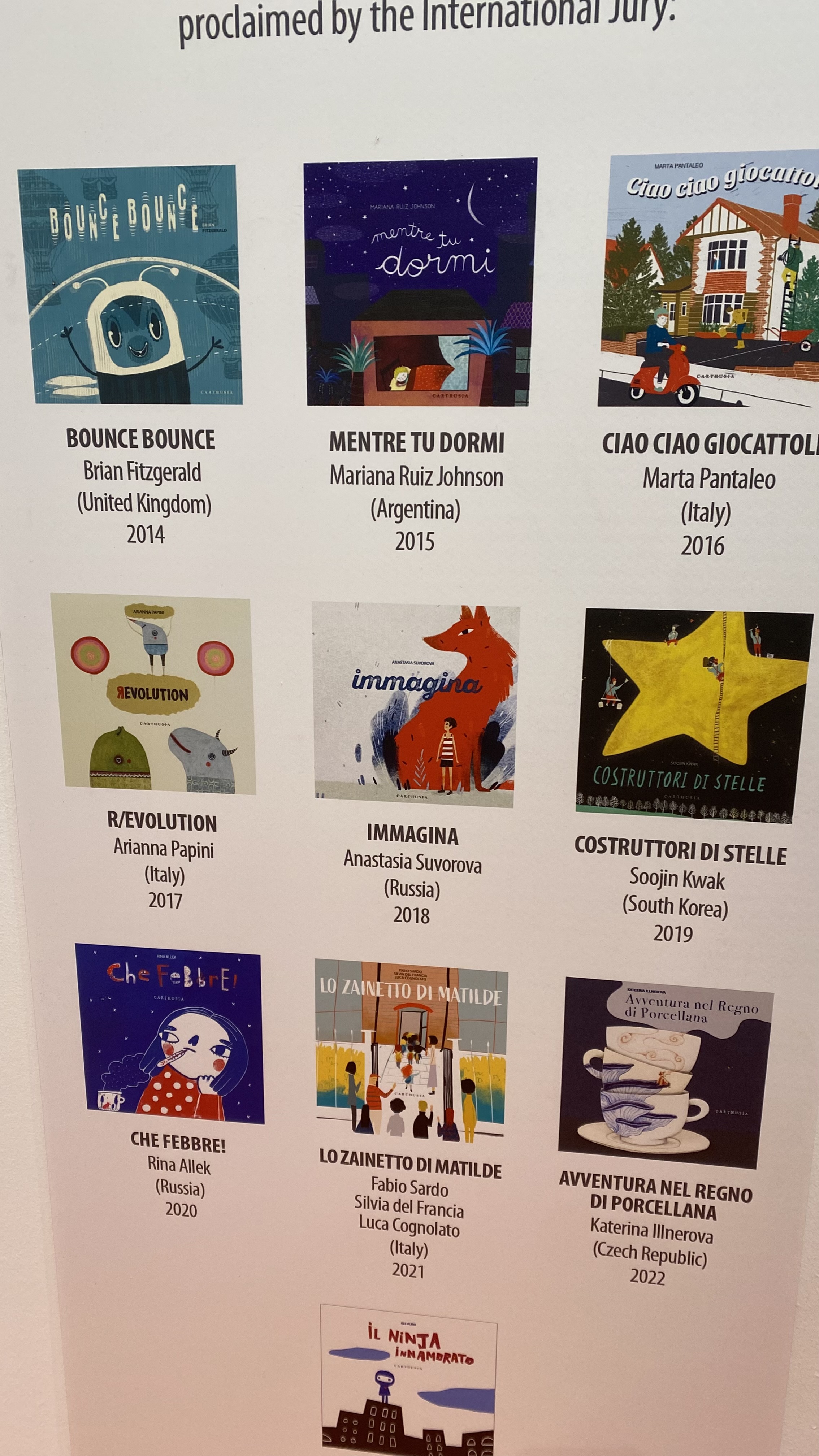
For 2024 the Special Category for the “BolognaRagazzi Award” was THE SEA. WINNER:
Gianumberto Accinelli, Giulia Zaffaroni, Giù nel blu – Dalla superficie agli abissi: viaggio sottomarino sfogliabile. Nomos Edizioni, Italy, 2021 SPECIAL MENTIONS
Antoine Guilloppé, Pleine Mer. Gautier-Languereau, France, 2018
Masakatsu Shimoda, 死んだかいぞく (The Dead Pirate). Poplar Publishing, Japan, 2020

One thing that super saddened me was that the whole event didn’t have the environment at the forefront as plastic bottles abounded and I didn’t notice any water fountains or water filling facilities – we brought our own bottles and of course the tap water from the bathrooms is 100% fine, but it would have been wonderful to see the events – in particular the ones on sustainability featuring reusable rather than plastic bottles.

The place of indigenous literature & language

I’m not sure that everyone is aware, but we’re in the International Decade of Indigenous Languages (2022-2032).

The fair had two events around this topic: “ORIGINS: INDIGENOUS VOICES IN CHILDREN’S BOOKS” Moderator Dolores Prades, Founder, Director and editor, Istituto Emília, Brazil
Panel
Nat Cardozo, author and illustrator, Uruguay; Adolfo Córdova, author, Mexico; Jason Low, publisher and Co-owner, Lee & Low Books, USA; Aviaq Johnston, Inuk author, Canada; Victor D.O. Santos, linguist and children’s books author, Brazil/USA; David Unger, author and translator, Guatemala/USA; Eboni Waitere, Director, Huia Publishers, New Zealand.

The representative of The Indigenous Literacy Foundation (ILF) of Australia who won the prestigious Astrid Lindgren Memorial Award (ALMA) and is the 2024 ALMA Laureate, is a late inclusion on the panel and her discussion at 45.06 of the video below about the work they do, is worth listening to.

and “THE MOST PRECIOUS THING: VICTOR D.O. SANTOS IN CONVERSATION WITH VERA GHENO” – I wish the English publishers had retained “the most precious thing” as a title instead of “what makes us human” – just a personal quibble.

The place of dissent

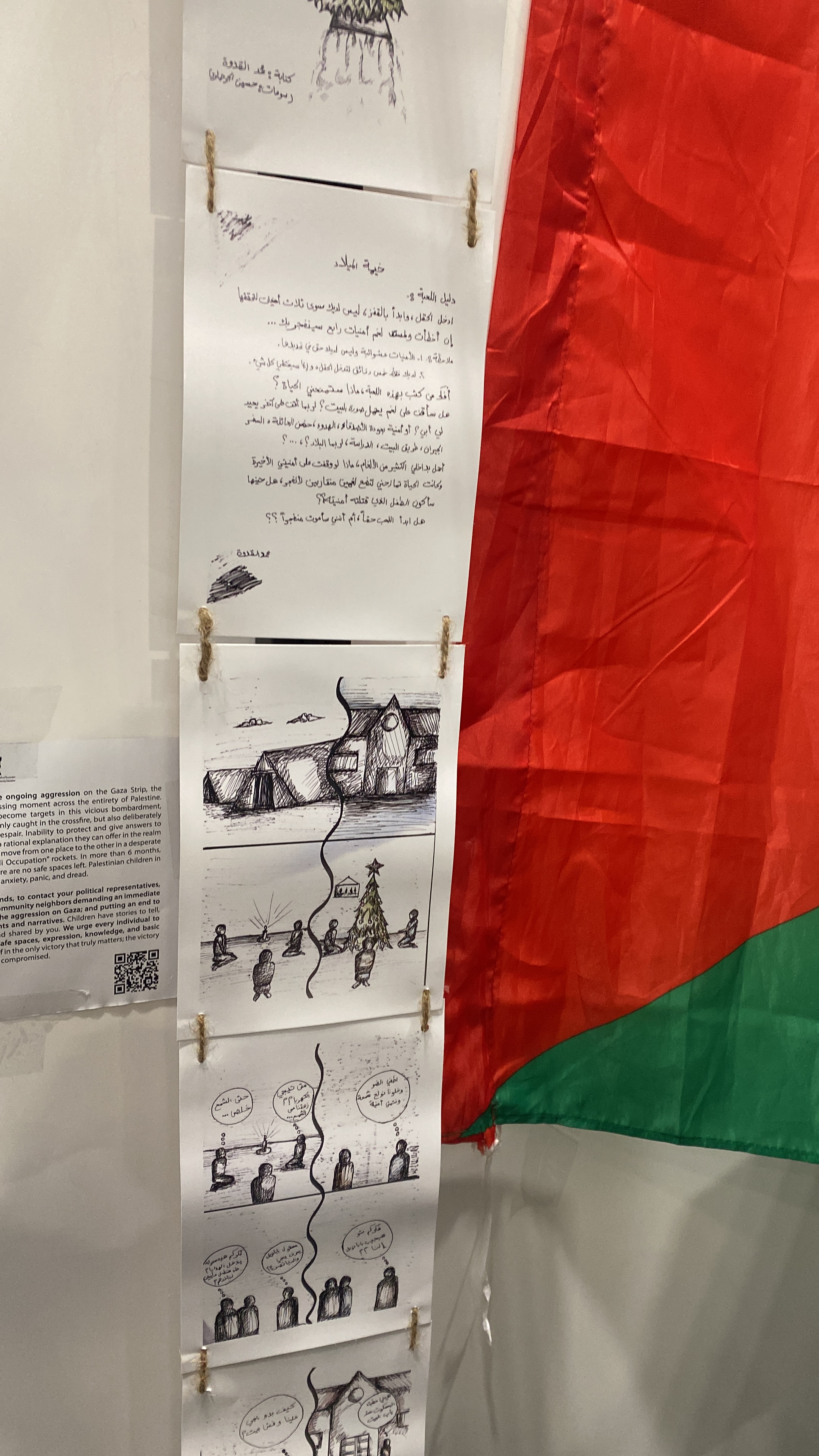
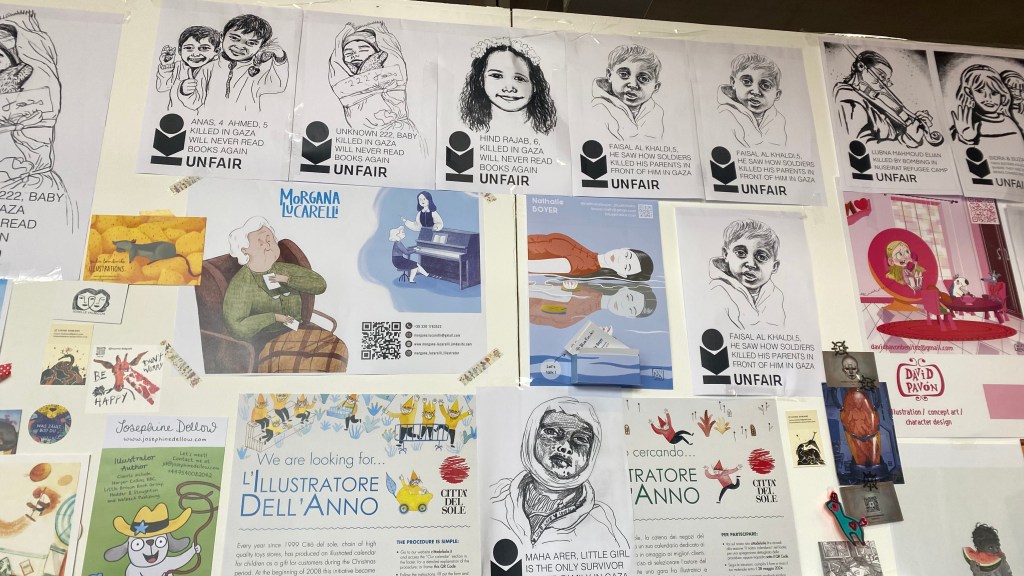
Following the issues around the 2023 LiBeraturpreis which was to be awarded to Adania Shibli, at the Frankfurt book fair last year, I was interested to see how and if dissent and awareness of geo-political issues would be handled in Bologna. There appeared to be a guerilla type of image bombing in the illustrator walls, some of which seemed to appear and disappear. Both Isreal and Palestine had representation.

It saddens me that while children are expected to live and die through wars, they have very little representation and “place” in children’s literature – yet – and what there is still focuses very heavily on the second world war experiences.

I find this type of header in the NYTimes to be quite disturbing “Teaching Young Children About War Without Frightening Them – Four new picture books tackle the subject in sensitive, reassuring ways.” I literally have no words about how insensitive that heading is.

I’ll write a whole separate blog on this some time – in the meantime please have a look at the lists created by Dr. Myra Bacsal on her Gathering Books Blog.
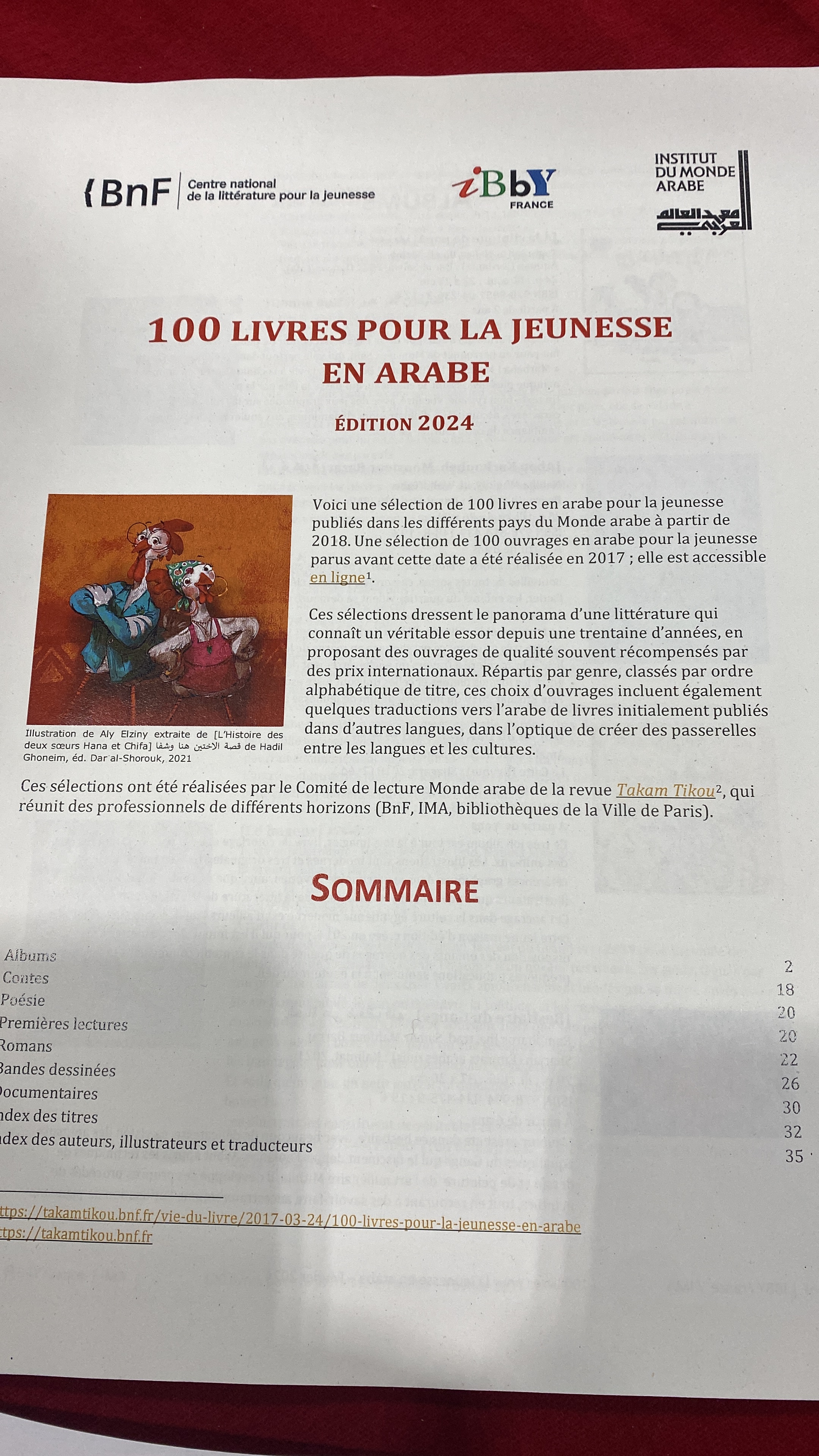
Given my own geo-location at the moment, I was interested to see that IBBY France has created a list of 100 books for young people in Arabic – here’s the link for the English version.

The place for silence

There is a special place in my heart and every library I’ve had the pleasure of working in for “wordless” or “silent” books, and the fair didn’t disappoint in that regard. Of course the highlight is the Silent Book Contest – Gianni De Conno Award and the exhibitions of the artwork around the award, as well as the previous years award winners. These are just the best books to have in your library for accessibility, thought provoking conversations and writing prompts.

May – Presentation & Panel Month

I’ve had another lapse in blogging, not that things have been particularly quiet – in particular I managed to mis-step on some stairs in the center of Beijing in early April, thereby managing to fracture both my posterior and anterior malleolus (i.e ankle) resulting in my first ever ambulance ride and some pretty nifty ankle surgery inserting two titanium pins and being off my feet for 2 months, followed by quite a bit of rehabilitation. I’m happy to report that the Chinese saying 伤筋动骨100天 (injury to muscles and bones take 100 days) is absolutely correct – I’m finally capable of walking.

Luckily my brain wasn’t affected and in the interim I’ve given quite a few presentations – happily quite a few in collaboration with the veritable Katie Day who reminded me today that we should both document them before they slip into the oblivion of what was quite a year!

When you’re asked to present or be a panel member at a conference some time in November, and the presentation is in May, you suffer from a type of time illusion that makes you say yes, comfortable in the idea that it’s far away – and you keep on saying yes to different people at different times and don’t register that they’re ALL asking for May, and then suddenly you’re spending 20 hour work weeks on top of your usual work-week getting your ducks in a row to say something that won’t embarrass you too terribly – and the process is wonderful – particularly if you’ve got a great co-presenter but at the same time it’s pretty scary!

So this was the Month of May!

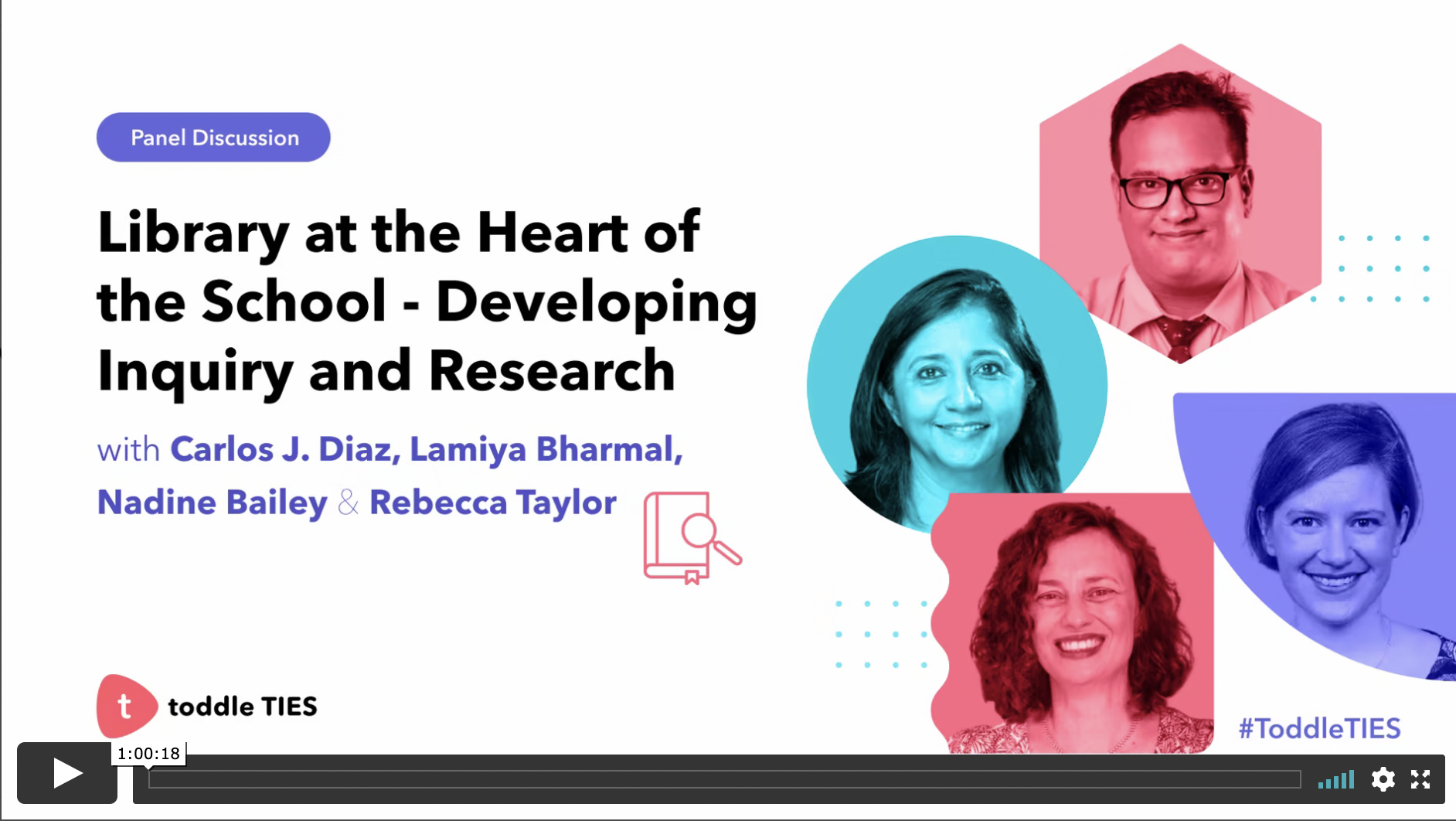
Toddle TIES Conference – 16 May – “Library at the Heart of the School – Developing Inquiry and Research.” A great panel moderated by Kirsten Durward with Bec Taylor, Carlos Diaz and Lamiya Bharmal the recording can be found here (click on 16 May) where we talk all things research and curation, each from a different perspective and school section (early years, primary, middle and secondary)

Then came the fantastic ECIS Library Week – the organising committee really knows how to throw together a compelling set of experts and practioners who can give some excellent presentations from things to think about to some very practical “how to” or “this is something I’ve done that worked”. Katie Day and I had each put in to present and then decided to combine our efforts on the two presentations, one a more macro view and one a more micro view on the ideas of IDEAS (Inclusion, Diversity, Equity, Accessibility and Social Justice – acronym used at WAB where I work.)

Our first presentation “Moving IDEAS to REALITY” (26 May 2021) was around how the work atInternational Schools around IDEAS is being actualised. The presentation was based on a short survey we sent out to International School Librarians. Our slides and the results of that survey in detail can be found here. This presentation focused on how through Saying (language) Doing (behaviours and actions) schools could move to Being (internalising the espoused values). This was a more macro / theoretical view on what diversity means in the international school context and in particular to international school librarians (recording is available to participants).

The next presentation – (given by me slipping out of my son’s graduation dinner for a quick hour – with his permission) was entitled “#NotOurDiversity: Beyond BANA” (29 May 2021) (slides; recording). Trying to move beyond paying lip service to “mirrors, windows, sliding doors” in the international school context is NOT easy. Despite the tremendous and well overdue and much appreciated work that is being done in BANA (Britain, Australia, North America) their diversity is not “our” diversity in the international school context. We discussed and gave examples of mono- multi- inter- cross- and trans- cultural books that we use in our schools and their relative virtues and failings for our students. The problems for international school librarians of existence, discoverability and availability of the books and the people and organisations we wanted to give a shout out to for their work in this area. Please have a look at the link to the slides for some fantastic titles and resources / people to follow in this area.
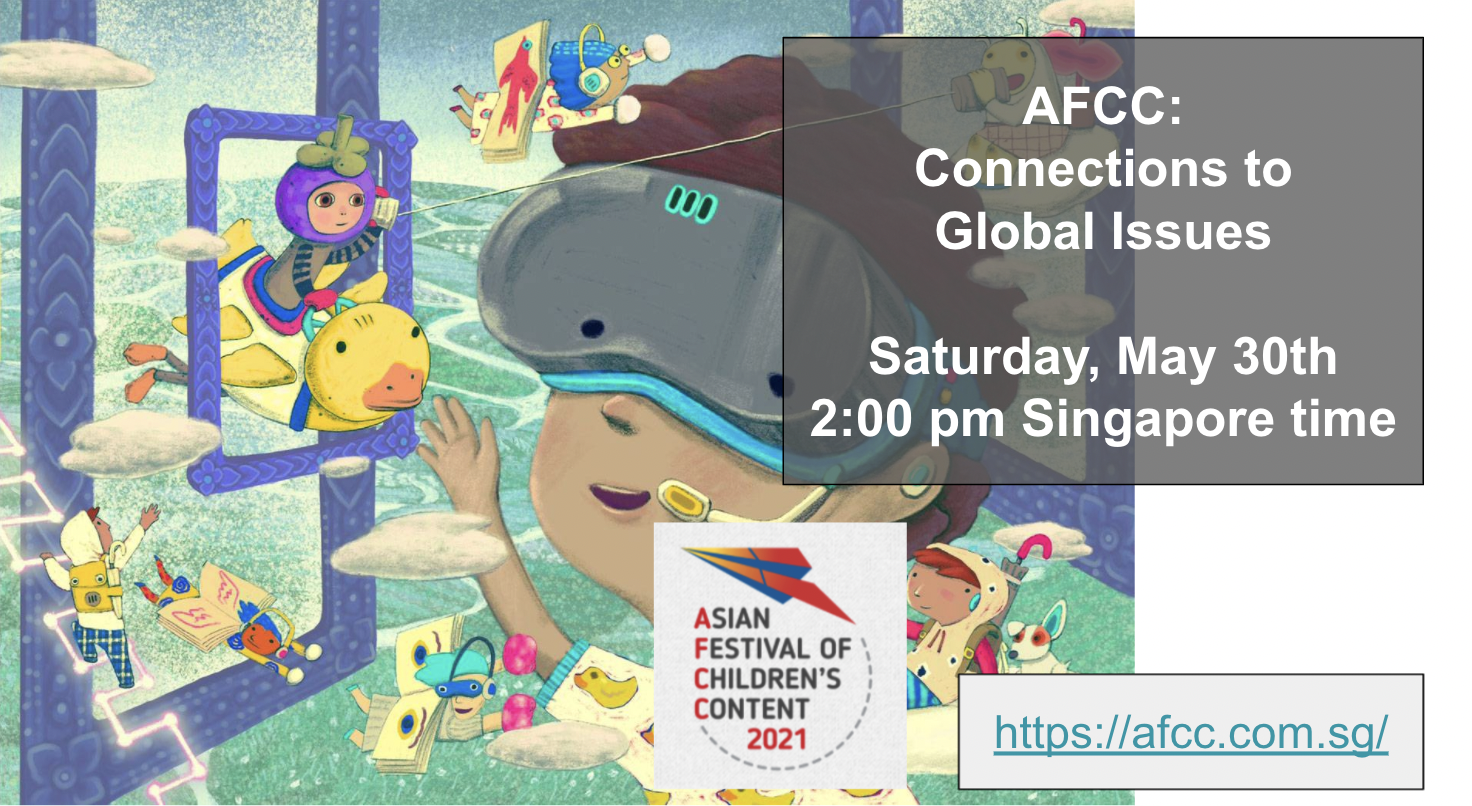
Finally at the end of May I was on a panel at the Asian Festival of Childrens’ Content (AFCC) “Connections to Global Issues: how teacher-librarians are supporting the UN SDGs and beyond” (30 May 2021) with Katie Day as Moderator, and fellow panelists Zakir Hossain and Stojana Popovska, where we focused specifically on supporting schools in incorporating the SDGs into the curriculum. (slides)

So that was the end of a very busy month! Including visits to my very excellent physio and surgeon, working and preparing!

Aside: I’m not totally happy with the new WordPress “block” feature – it’s really annoying me in the way that images appear and it’s non-intuitive nature – even though I’m sure that wasn’t their intention! Having to go into the HTML code in order to align and pad the images is an unnecessary waste of time!

UN SDGS: GATEKEEPERS, ALLIES, ENABLERS, PERSUADERS

This post originally was created on 25 March 2021 for the Global Literature in Libraries Initiative’s SDG Month.

While the global goals set absolute numerical targets that are tracked as discrete targets, no matter where our country of origin or residence is on the continuum of individual goals the wonderful thing is how they tie us together as part of our common humanity.  

As educators, librarians and individuals our it is important that we can maintain motivation and momentum through our actions and thought leadership by banding together in initiatives such as this series of blogs. What roles can and do librarians and educators play?


Moving from Gate-keepers to Gate-openers

There are a number of arenas in which we can choose to be gate-keepers or gate-openers. Firstly in how we curate our collections and choose to spend our budgets. Pursuing books out of the narrow range of BANA (British, Australian, North American) publishers, heavily promoted through advertising and promotion the usual channels takes extra time and effort. It’s the librarian equivalent of trying to find rare cult and indie movies, and then promote the heck out of them to your geekie like-minded library friends – something like what we’ve been doing in the past month through these blog posts. Sometimes it feels like playing a never-ending super-Mario obstacle course – even if you identify suitable resources, you may not be able to source them in your country or school as they may only be available in a narrow geographic area due to arcane publishing and territorial rights.  

Another consideration is ethical purchasing by avoiding big companies with poor employment or environmental records and changing to suppliers through consolidators such as Ethical Revolution.  

https://ethicalrevolution.co.uk/amazon-alternatives/

Persuaders

Once the books are part of our collections how do we ensure they get noticed and used by faculty and students? Sometimes the style of writing or illustrations are not what our community is used to – something like trying new foods, it’s important from a young age that our readers develop a sophisticated multi-cultural palette.  

Finally, we’re beginning to realise that unless the goals are embedded at all levels of the curriculum rather than being an option “add on” they are not taken as seriously or could even be avoided completely. What role can we play in embedding themes into the curriculum? Do we have persuasive currency with the curriculum coordinators or a voice at the planning tables with teachers?

Sometimes all it takes are a few examples from other schools or programmes to get ideas.   


Enablers

One of the organisations that comes to mind in curriculum development for the very young is ThinkEqual’s programme which addresses 10 of the 17 SDGs in 3 levels of tangible, easy to implement, step-by-step teacher guides for ages 3 to 6.

Each level of the programme includes 30 original books, associated resources, and 90 lesson plans. These are all given free of charge on condition that the programme is comprehensively and sequentially implemented.  

https://thinkequal.org/

The IB’s PYP and MYP programmes are ideally structured to allow flexibility in content around the subject groupings in Transdisciplinary Themes or Global Contexts.

At WAB, where I currently work, the SDGs are explicitly embedded in the PYP Exhibition, as part of the human rights inquiry in Grade 6, in Earth Science and Individuals & Societies in Grade 8. Looking at progress data could be part of a mathematics inquiry, and any literature units could include diversity in texts.

https://library.wab.edu/ms/G6Rights/RightsSDG

Allies and privilege 

Often it takes a few passionate people and their allies in order to make a difference. The Neev Book Award was started in 2018 “to find and showcase great children’s books from and about Indian lives.”

As a jury member since initiation, I can attest to the value of being an ally to this initiative where I can use my background and privilege to read, select and promote the books. It has also given me an insight into the difficulties for authors to “break out” of their geographical regions and reach a global audience. 

https://www.neevliteraturefestival.org/book-awards/

Similarly, the Feng Zikai Chinese Children’s book award was set up to “acknowledge distinctive original Chinese picture books to encourage the publishing and reading of Chinese picture books”   

https://fengzikaibookaward.org/en/

Libro.FM, utilizes their platform “to highlight a diverse and inclusive selection of audiobooks for everyone. Each month, we curate lists of free audiobooks for educators, librarians, and booksellers. When curating these lists, we include at least 50% BIPOC authors in order to help distribute these books to classroom, library, and community bookshelves.” 

https://libro.fm/alcprogram

In the two countries where I’ve been a member of the librarian selection panels for School Book Awards (Red Dot Book Award and Panda Book Awards) discussion and criteria of diversity and inclusion have been explicit in the book choices. 

https://www.reddotawards.com/
Red Dot Awards — the ISLN (Singapore international school librarians network) annual book award

https://library.wab.edu/ms/READ/Panda20
The Panda Awards — the annual book award run by international school librarians in China

Authors partnership  or author / illustrator partnerships can result in a wonderful combination of access and voice  thereby bringing stories to a wider audience such as: 

A Long Walk to Water by Linda Sue Park (and Salva Dut) / Highlighted in the blog post on SDG 6

When Stars are Scattered by Victoria Jamieson and Omar Mohamed (2020) / Highlighted in the blog post on SDG 4

The girl from Aleppo by Nujeen Mustafa with Christina Lamb / Highlighted in the blog post on SDG 5
I am Malala by Malala Yousafzai with Christina Lamb (2012)
[Photo source]

Save Me a Seat by Sarah Weeks and Gita Varadarajan (2016) / Upper elementary/middle grade novel
[Photo source]

A Place at the Table by Saadia Faruqi and Laura Shovan (2020) / Middle-grade novel
[Photo source]

I See the Promised Land by Arthur Flowers, illustrated by Manu Chitrakar (2010)

This graphic novel version of the life of Martin Luther King, Jr. and the Civil Rights Movement is an exciting dialogue between two very different storytelling traditions. Arthur Flowers – African American writer and griot – tells the story in lyrical prose, while the text is illustrated by Manu Chitrakar, traditional Patua scroll artist from Bengal, India.

The artist allows the tale to resonate in his own context, translating it into the vivid and colourful idiom of Patua art. In the process, King’s struggle transcends its context, and becomes truly universal (SDG 10).


The Courage of Elfina by Andrew Jacob, illustrated by Christine Delezenne (2019) / Canada

This sophisticated picture book by Canadian professor and Swiss graphic designer tells the story of twelve-year-old Paraguan orphan Elfina sent to live with an aunt by a well-meaning grandmother. She’s then taken to Canada where she is  kept as a domestic servant by the family, denied education and has inappropriate advances made at her by her uncle (SDG4).


What What What? by Arata Tendo (2017) / Translated into English by David Boyd / Japan

A story of a young boy who doesn’t stop asking questions about how people are feeling and where they are, leading to helping a school mate in danger. (SDG3 – mental health) – sophisticated picture book could be used as a companion book or provocation for Monday’s not coming” by Tiffany D. Jackson. 


The Phone Booth in Mr. Hirota’s Garden by Heather Smith and Rachel Wade (2019)

This book is a collaboration between Canadian author Smith and Japanese-Cantonese immigrant Wada (SDG 13; SDG 3) inspired by the true story of the wind phone in Otsuchi, Japan, which was created by artist Itaru Sasaki. He built the phone booth so he could speak to his cousin who had passed, saying, “My thoughts couldn’t be relayed over a regular phone line, I wanted them to be carried on the wind.”

The Tohoku earthquake and tsunami in 2011 destroyed the town of Otsuchi, claiming 10 percent of the population. Residents of Otsuchi and pilgrims from other affected communities have been traveling to the wind phone since the tsunami. 


M is for Movement (aka Humans Can’t Eat Golf Balls) by Innosanto Nagara (2019)

This is a lushly illustrated long form picture book which tells the tale of the author’s history with activism weaving in themes of equality, colonialism, education, poverty. He also manages to bring in movements from all around the world, although the book itself is set in Indonesia. (SDG 1; 2; 3; 4; 5; 6; 8; 9; 11; 12; 15; 16)

If you buy one book this year, this should be it, along with the companion A is for Activist which is on my ordering list.  


Youth to Power – Your voice and how to use it by Jamie Power (2020) / Foreword by Greta Thunberg 

Jamie presents the essential guide to changemaking, with advice on writing and pitching op-eds, organizing successful events and peaceful protests, time management as a student activist, utilizing social media and traditional media to spread a message, and sustaining long-term action.

She features interviews with prominent young activists


Nadine Bailey is an international school Teacher-librarian and Technology Integrator currently working at the Western Academy of Beijing. A Dutch/South African former Chartered Accountant with Masters in Education (Knowledge Networks and Digital Innovation), Information Studies and Business Administration. She has lived in Africa, Europe, South America and Asia including Hong Kong, Singapore, and Beijing.  Her passions include language acquisition and bilingualism. Online​ ​she​ ​uses Informative Flights (https://intlnadine.org/) ​as​ ​her​ ​blog​ ​and​ ​her Twitter​ ​handle is @intlNadine


Note: all the books highlighted during this month of SDGs can be found on this GLLI Goodreads shelf.

What are your favorite books that relate to the UN Sustainable Development Goals? Please share them in the comments. Let’s make this a conversation and work on the goals together.

Picture books as a panacea?

maia and what mattersI’ve always been a huge fan of picture books. I’m the librarian that will read “Maia and what Matters” to a group of Middle School teachers and struggle to continue through tears. I spend a reasonable chunk of my budget on picture books (or as some librarians like to refer to the “sophisticated picture books (SPB)” I’ve never see a book deal with anxiety with as much compassion and understanding as Mel Tregonning’s “Small Things”. I maintain a libguide for Social Emotional Learning (SEL) that relies heavily on the work of Dr. Myra Bacsal and her SEL booklists. 

So what is the problem? I’m worried that publishers are becoming complacent about plugging the gaps in information / knowledge / awareness of really big and worrisome things by having a picture book in that space. A case in point is my (and most librarians) quest to curate books related to the Sustainable Development Goals. And I’m afraid even the UN with it’s SDG book club plays into this.

It is easy enough to find a picture book about Wangari Maathai, about the plastic bags of Gambia. It is way harder to get a good (recent) nonfiction book geared at 11-14 year olds on deforestation or plastic bags for example. It seems the nonfiction publishing cycle is around 8-10 years (I found plenty from 2009-2011) between updates whereas the actual issues are accelerating faster.

Follow Your stuff

As mentioned in my previous blog – a big change has occurred in the presentation and design of nonfiction books, so it is important not only from an “up to date facts” point of view that we have these books, but also from an “enticing to read” point of view. When new books exist in a space (trees in this instance) they are truly fantastic. Like “Can you Hear the Trees Talking” by Peter Wohlleben – the young reader version of “The Hidden Life of Trees”. But that’s not really about deforestation, just a very positive reminder of why trees are so awesome and special and worth saving. Or Annick Press (one of my favourites) with Kevin Sylvester’s “Follow your Stuff” an exceptional book for the humanities tracing common items including T-shirts; Medications; Technology; books through geography, production, labour and economics.

The last thing I was looking for included something on sustainable cities and homes. The books in my collection were from 2007 and sorely needed updating. As is the case when a book is older than the students reading it. It’s a fascinating area. It’s something that most major cities in the world are pouring money and resources in. But you can find lofty tomes, heavy text books, coffee-table photo books and very little else. A fellow librarian pointed me to “No small Plans” which looks amazing, but very specific to Chicago, and not so easy to get to China.

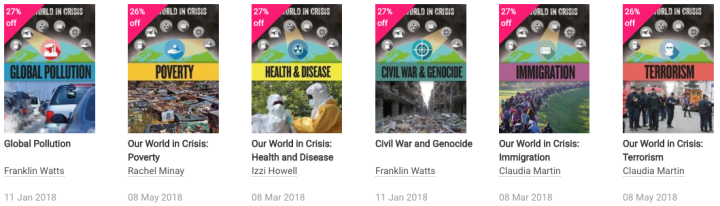
Rebecca Sjonger has written a new series of books around the UN Sustainable Development Goals which combines goals and is an overview. I’d argue that’s a good beginning, but actually each goal merits a well researched, curated and presented book for each of the different levels of education. Our world in Crisis is another recent series that covers pollution, poverty, health & disease, civil war & genocide, immigration and terrorism in an age appropriate but informative way.

Our world in Crisis

So there is a huge amount of hope and great steps in the right direction. But if we want to keep middle graders curious and inquiring beyond the hook of picture books, we need to keep feeding them nonfiction of this high calibre in all and any direction they want to research further.

I want it to be that the picture books are the appetiser and a couple of Youtube videos are the amuse bouche but that excellent nonfiction books are the main course, supplemented by databases (for context) and news (for the latest updated information).

What are your favourite books to support understanding the SDGs in Middle School?

Content plus

One regularly hears phrases bandied around schools such as “Every teacher is a language teacher”; or “Every class should start with 10 minutes of reading” and you’d be hard pressed to find a teacher who doesn’t agree in theory, that reading is a good thing. But then there is the “reality” of supposed too little time, too much pressure, too much content to cover and the theory of reading becomes such an abstract notion that there isn’t even a consideration of how it could be implemented.

Last week-end, Katie Day and myself gave a 90 minute presentation to around 100 educators at the Neev Literature Festival titled “Books & Beyond”. You can find a copy of the presentation here as well as other resources.

We’re on break now, and when we get back I was asked to present to our HODs for a few minutes on integrating reading into units in the middle school. I’ll probably just show this one slide:

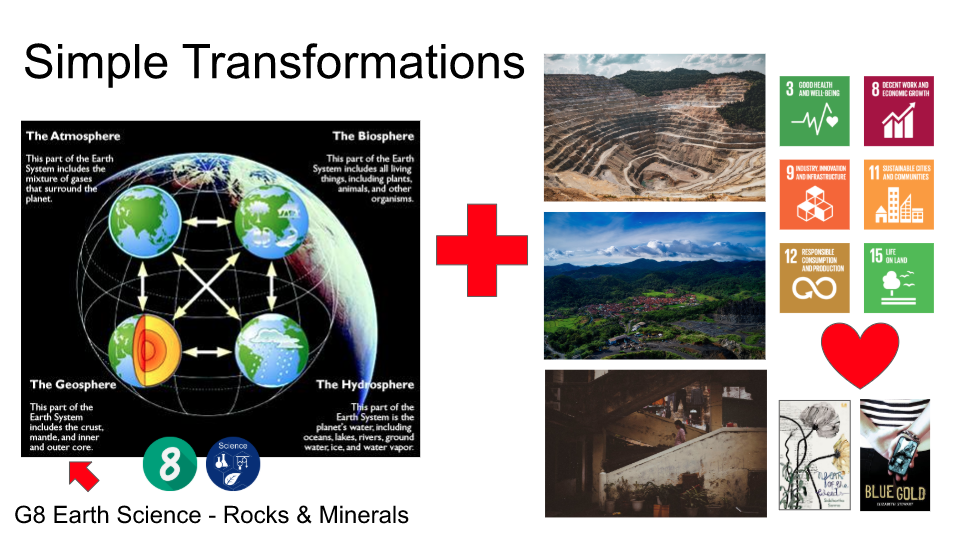
I’d call it “content plus” – it’s from a G8 Earth Science unit that the Science team and I put together at the end of last year and they’re teaching now.

The idea is that you still have the science content as core to the unit – in this case Earth Science and learning about Sedimentary, igneous and metamorphic rocks and the minerals they contain and mining and the  products of mining. But to that you add the environmental and human impact, and the lens of the SDGs (Sustainable Development Goals).  And in order to help build empathy and understanding, add some literature.

Katie also had the brilliant idea, that she’s implemented in her school (and I’m going to be following quickly behind!), of getting good, relevant articles, stripping off the advertising etc (she uses Safari Reader View; I use Mercury Reader) putting them in binders and making them available in the library and classrooms – see slides 42-47).

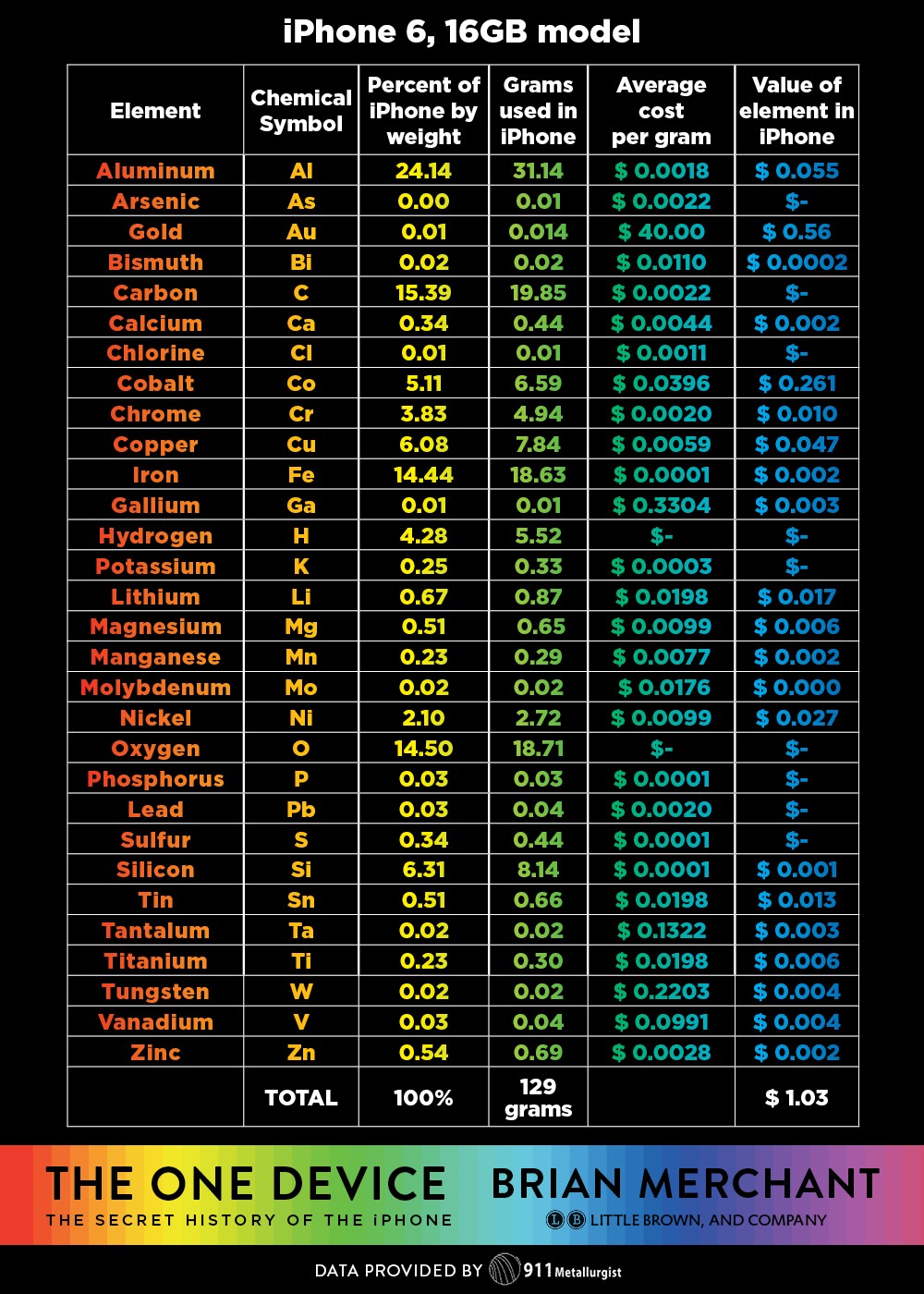
You can of course choose any minerals, but in this case to make it relevant to G8, we focused on the primary elements of an iPhone.


iPhone ingredients

Ideally, and this takes time, some of the science and or math units would be linked to Language & Literature or Individuals & Societies units allowing more time to explore literature.

In the mean time, one of the wonderful ways of adding literature into units is through picture books. In the guide we created for the Neev Festival, we made suggestions around groupings of the SDGs of the Neev shortlisted picture books plus lots of other books. It’s still a work in progress, but over time I’m hoping that for each and every global goal I have 10-20 picture books, (as well as 10-20 fiction books and 10-20 really good nonfiction books) that can easily and quickly be introduced to a class, thereby adding a very special element to learning, and truly making “every teacher a language teacher” and every teacher able to devote a tiny slice of their class to reading.

Why awards?

This week’s blog post will be very brief as a function of my extreme exhaustion – just been up and down to Bangalore for the Neev Literature Festival 2019. Beijing-Bangalore is not a commute I’d recommend to anyone who prizes their sleep or sanity but WOW what an intense 2 days it was.

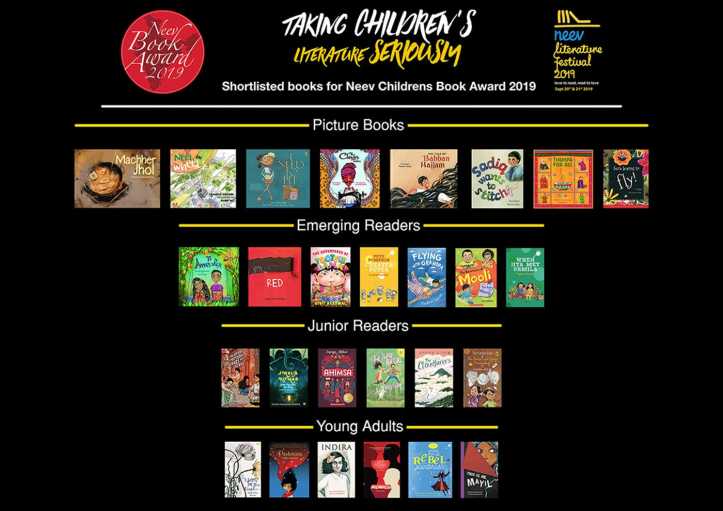
The theme this year was “Taking Children’s Literature Seriously” and I’ll write a bit more about the rest of the festival another time.

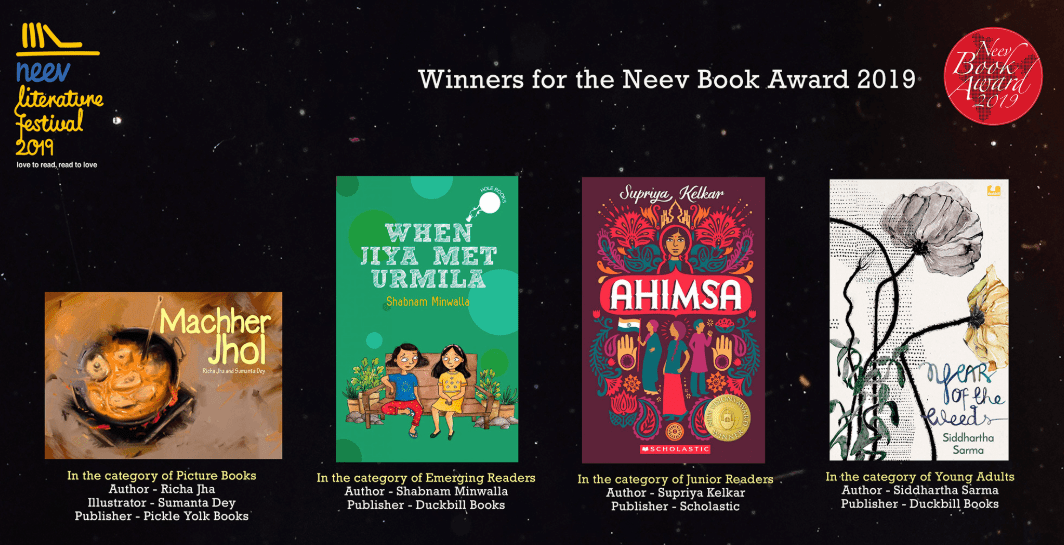
For now I just want to highlight the winners:

Screen Shot 2019-09-22 at 20.11.30

After a year of reading the long lists and short lists in four categories the awards were announced on Saturday for this year’s winners. I must say it was a surprisingly emotional moment even for me just as one of the jurors, I can’t imagine what it must be like for the authors!

There’s been a bit written recently about literary prizes – “Who Cares about Literary Prizes” is a wonderful article combining the idea of “canon” and popularity in this context with some very cool data representation. Book Prizes, the more the merrier, and A guide to the most prestigious prizes.

Book buyers, librarians, teachers, parents tend to rely on a fairly narrow range of sources for their book purchasing decisions. One of those is lists, and the other prize winners (and often lists of prize winners). In this context the existence of speciality or niche book prizes is incredibly important to shed light on otherwise neglected corners of excellent children’s literature.

Since Ahimsa is already relatively well known in international children’s literature circles, I’m going to just put in a few words about the other three books.

Machher Jhol is a richly illustrated book showing the journey of a young boy through the roads of Kolkata to get the ingredients for a fish stew for his father. There is a wonderful twist to this tale that will make it beloved of any class looking for books on resilience.

When Jiya met Urmila is written for that space of emerging readers where very few authors manage to successfully tell a great story but make the writing accessible to the beginning reader. The story gently probes how segregated childrens’ lives can be.

Year of the Weeds is one of those books that I can see becoming part of a canon of middle grade / young adult books that are used in the classroom to promote thinking about globalisation, sustainable development goals of economic growth (8); industry and infrastructure (9); sustainable cities and communities (11) responsible consumption and production (12); and Life on land (15) – while still being an excellent read.   The link above goes to a very interesting interview with the author.

neev awards.jpg

Another thing that awards do – reward publishers for taking chances on genres, topics and authors.  This year Duckbill publishers had two award winning books – here’s hoping they continue to bet on this calibre of writing AND even more importantly that their books get attention and distribution outside of India, because the world needs these books.

In response to requests – here is where to find the books:

Ahimsa

When Jiya Met Urmila

I will be sharing an email to contact if you are interested in buying the short-list or finalists in multiple copies.

In addition if you’re interested in other books:

Here is the short list:

Here is the complete LongList nominated by Indian publishers


SDGs in the library

Many schools, and particularly those following the IB (International Baccalaureate) framework are attempting to incorporate Sustainable Development Goals (SDGs) into their teaching and learning.  The library can play an important role in supporting this through curation and discoverability.

Our G6 students used the SDGs to focus their research during their PYP Exhibition Project. I’d been meaning for the longest time to curate a list of books around the SDGs and this was the ideal opportunity.  In curating the list there were actually two phases. In the first I was looking for books that would act as provocations and allow students to form a feeling of empathy and identification with the goal. In the second, when they’d chosen their area of focus, it was to find books that would aid their research and investigations.  These are two quite different goals, with very different resources.

During their exhibition “kick-off” library lessons I did a different book with each class, One Plastic Bag: Isatou Ceesay and the Recycling Women of the Gambia
by Miranda Paul and Elizabeth Zunon (Illustrator); and Emmanuel’s dream : the true story of Emmanuel Ofosu Yeboah by Laurie Ann Thompson and Sean Qualls (Illustrator).


So that everyone could see the images clearly, instead of a read aloud, I projected a YouTube video of the books being read.

We then discussed which SDG’s were covered by the respective stories, which was easy enough for them:

IMG_7869

Empathy Map (1)
Empathy Map

After the story I introduced the concept of an “Empathy Map”. There are many different versions of the empathy map, (the original is from Dave Gray) but I wanted it to be as visceral as possible. Students were each given 4 sticky notes to write what they thought the main character in the book would “say / do”, “think/feel”, “see” or “hear”. Now this may sound quite simple, but the exercise is very effect just because this is way harder than what it seems. Students had to really get out of their own heads and it took a bit of prompting by the teachers and myself to put themselves in the character’s shoes and consider things from the protagonist’s perspective. The map was just a piece of flipboard paper with the name of the book and the 4 quadrants written in.

At the end of the lesson it looked like this:


The follow up to the lesson was to create a page on my PSEL library guide to include the books I’d curated for the SDGs. The images are linked to my resource lists in our library.

As the students decided on the focus of their research, and narrowed down their central idea and lines of inquiry, I helped them to find relevant books in the library, or, for quite a few we needed to purchase additional books.  I also started (but have not yet finished) making lists on EpicBooks (e.g. SDG7). EpicBooks is simultaneously a wonderful and very exasperating resource due the inability to tag resources and easy group and regroup them.

With the G6 teachers and some of the exhibition mentors we also started a flipboard with appropriate news articles related to the student choices.

View my Flipboard Magazine.

Move forward a couple of months and within the #IntlLead group we’re currently trying to initiate an International Libraries week with a focus on SDGs, and so to write this post I started uploading all my lists onto my Library Things account. I’ve put them into a collection called SDG and tagged them SDG1, SDG2 etc. and the name Zero Poverty, Zero Hunger etc.  Since LibraryThings can be quite geeky for the non-librarian I’ve also created a TinyCat for this collection, which is visually much more appealing. It’s also not corrupted by the 1000s of other books in my collection.

What else is going on in the world of SDGs and libraries and schools?

Please comment if you’ve got anything else to add.