 Each library we visited went about creating, updating and weeding their collection in different ways. On the one hand we had UWCSEA-East, where the librarian could build up a collection of 30,000 items from scratch, and had the luxury of being able to carefully consider the philosophy behind the collection. On the other, we had the Institute of South East Asian Studies, with a 45 year history of receiving donations and making acquisitions and doing a stocktake and serious consideration of its collection for the first time this year.
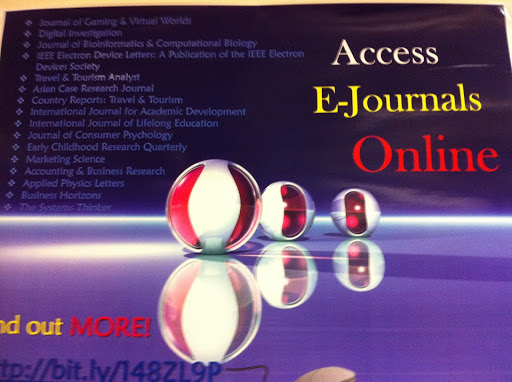
Common themes were the shift from print to digital. Each library had found their own balance between providing patrons with books and journals and enabling access to digital information. Along with the shift to digital media came the responsibility of teaching information literacy (IL). We were exposed to some innovative and very fun ways of teaching IL across the board where the emphasis was on making students comfortable with interacting with the librarians in the library setting, as well as being able to help themselves on line and in the book stacks.

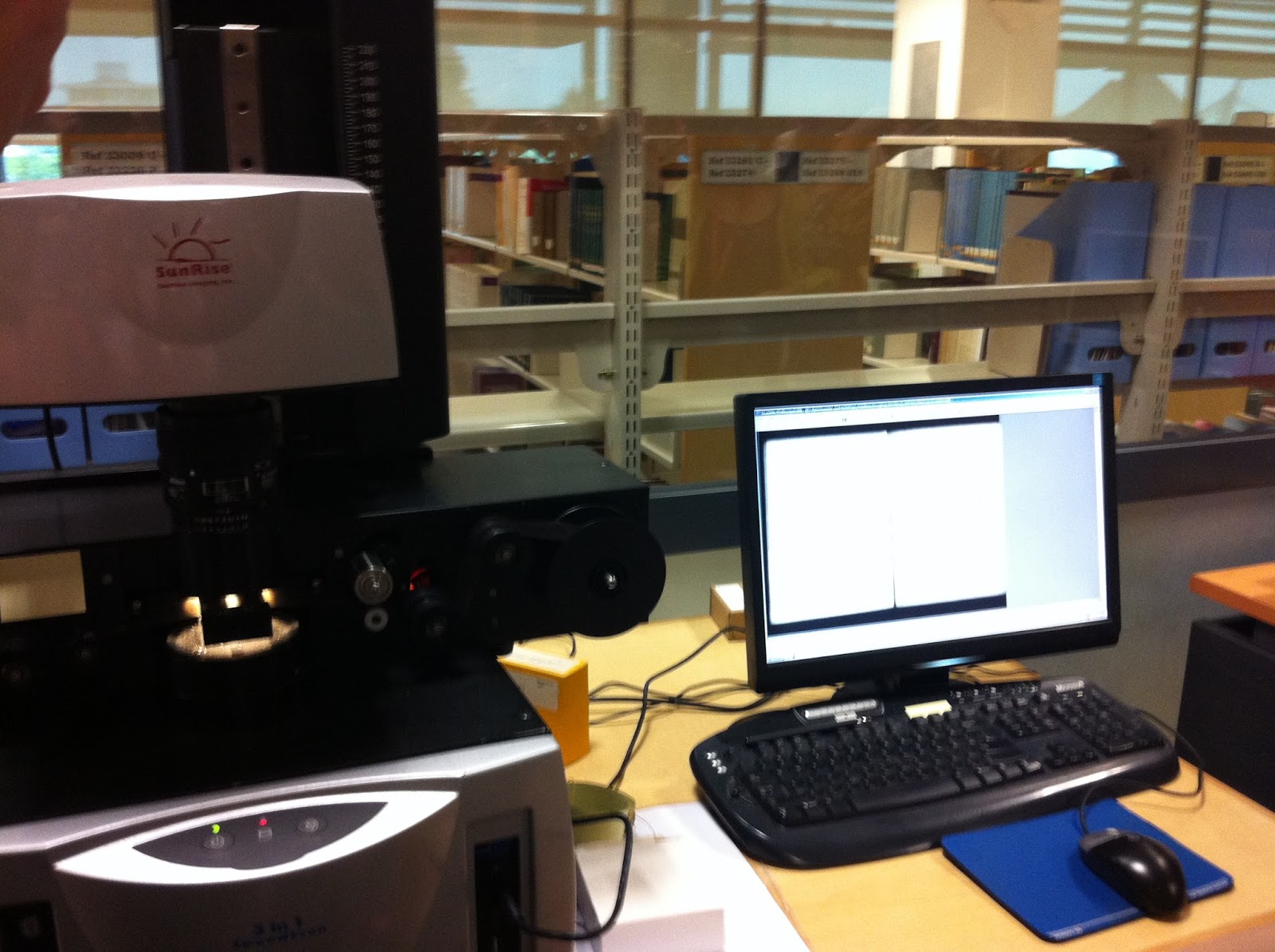 Preservation of collection was an important issue given the hot and humid climate of Singapore and the expense of air conditioning. Books got infected by mold, mold is both contagious to other books, and a health and safety issue for employees and users. It’s very expensive to treat. Microfilm deteriorated, particularly the technologies prior to 1980. Damp affect photos and films. Digitization was expensive and time consuming and could result in the library running foul of copyright laws. All this indicated that libraries needed to be extremely disciplined in their acquisition and weeding with some good co-ordination and networking to ensure that sufficient copies of valuable materials were available and preserved but without unnecessary duplication.
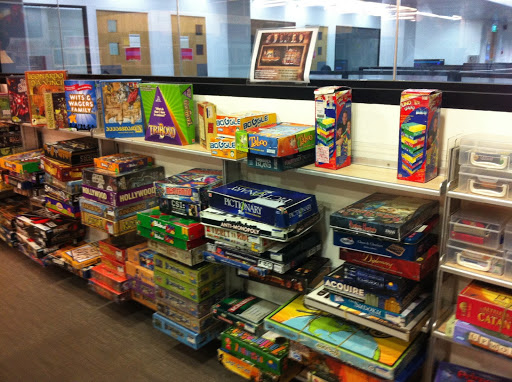
 It was interesting to see how the different libraries managed their life style collection. For some, like Ngee Ann Polytechnic, it was a drawcard for their students, located on the first floor with a very welcoming interactive bookstore / cafe type concept. For Temasek, it was on a higher level, and less well patronized – in fact the librarian mentioned that sometimes students came there as it was quieter than the quiet / academic parts of the library.
Weeding policies differed by institution from a strict “anything older than 12 years gets thrown” to “we’ve never weeded”. SMU had a sophisticated set of RUF (relative use factor) statistics which it used for purchasing profiling its collection and weeding.
How does a library deal with it’s unwanted books? UWCSEA-East had created a read-and-recycle program outside the library, where the school community was welcome to take books and pass them on. NLB had a bookcross and book sale scheme to get books out into the Singaporean community.
Most libraries were shifting towards an on-demand as opposed to “just in case” collection development policy. Collections were added to on recommendation from lecturers and students who were also invited to attend book fairs held by trade and public suppliers.





 Informative Flights - Musings of a Teacher Librarian
