Our G6 students are currently studying Ancient Greece and will soon be embarking on a week long “week without walls” trip around Greece. Besides our nonfiction books on the City States and other aspects of Ancient Greece here are some more titles the “riff on the theme”.
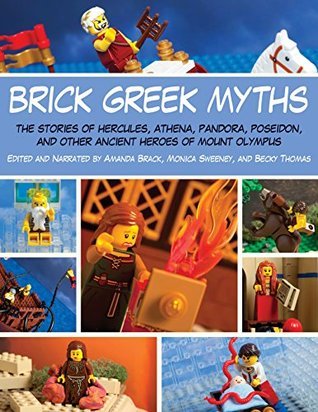
Of course an easy hit are those around the Greek Myths, and yesterday and today I went to the social studies classes and with a trolley full of Greek Myth books, in particular the multiple copies we have of the 12 George O’Connor Olympians series and each student could check a book out. Not depicted on the poster but one of my absolute favourites series are the “Brick Books” where various classic tales are depicted with Lego Bricks. Unfortunately many of the series are now out of print, but in previous libraries I’ve had the full set of Shakespeare plays, fairy tales etc.
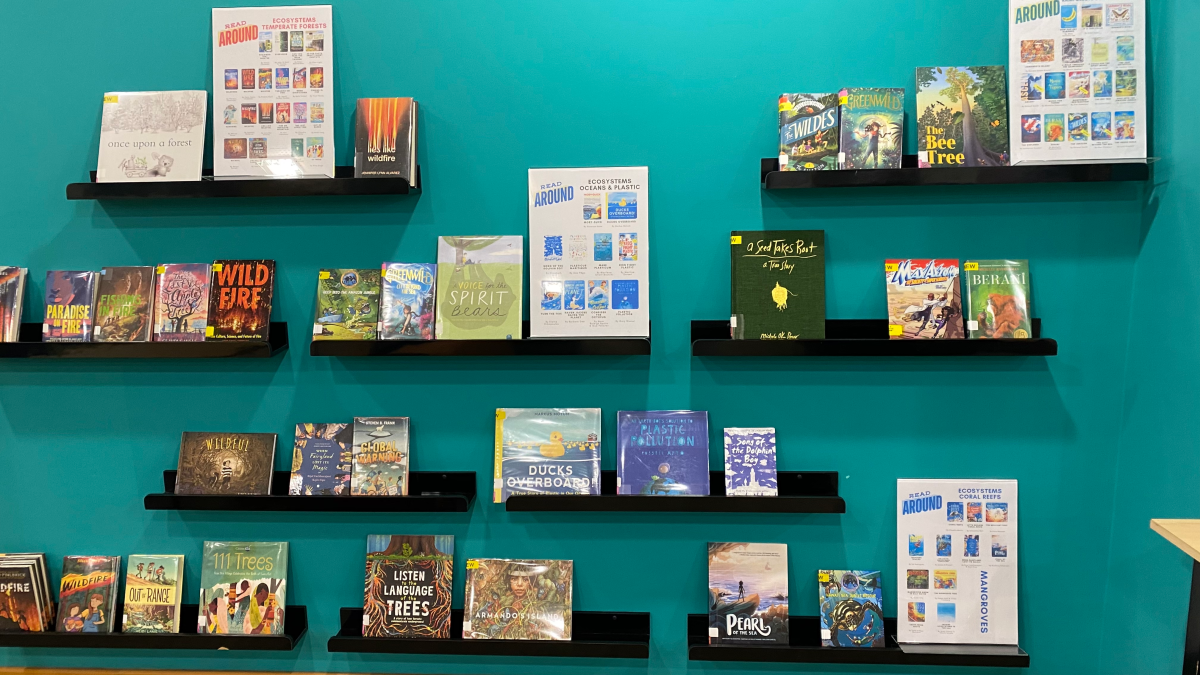
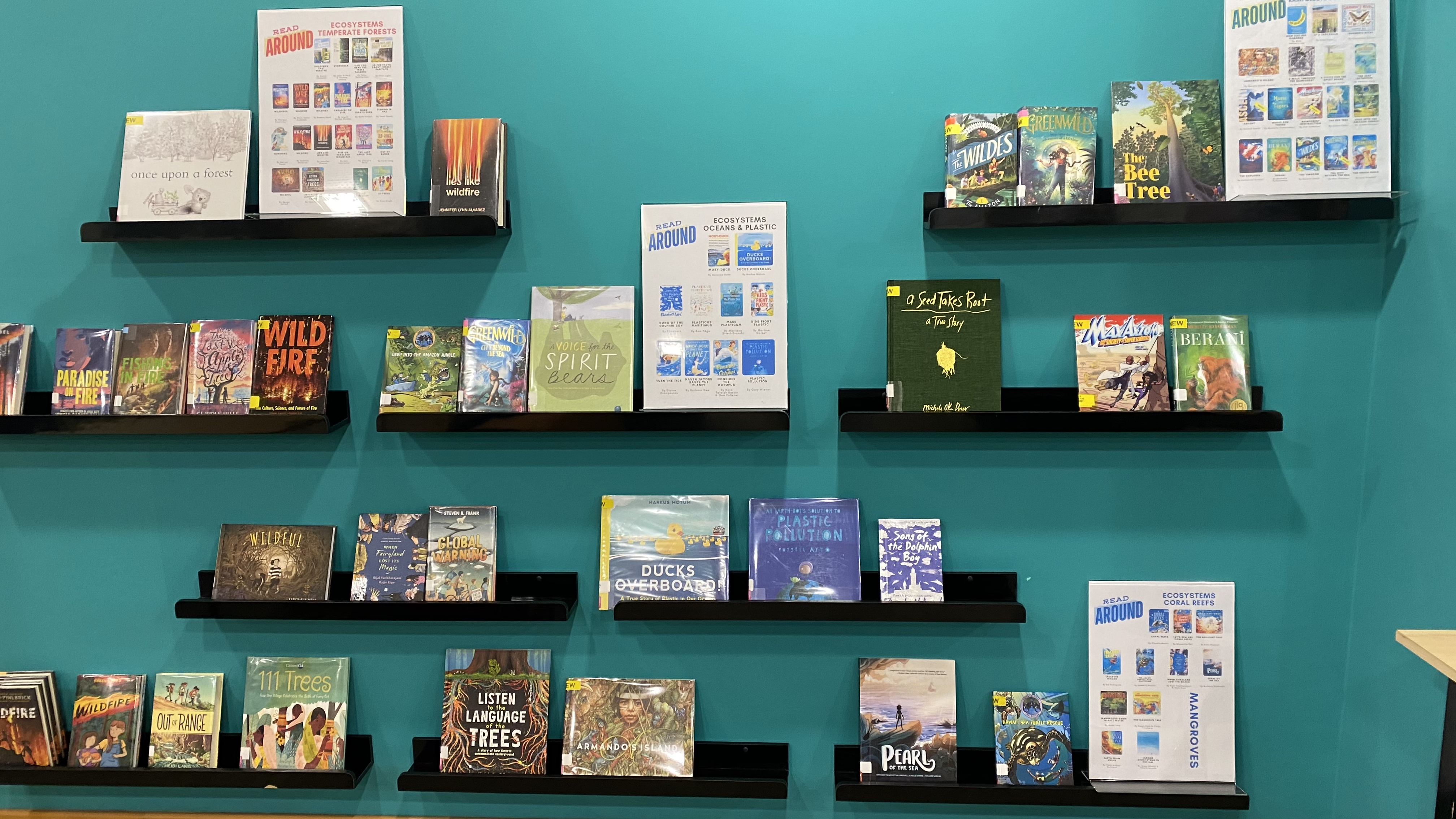
When I wrote the series of blogs in December for GLLI many people asked about displays so I remembered to take a picture of a couple of our displays of last week. We have two main spaces downstairs for display, one as you walk into the library and one against the wall. So one was dedicated to ancient Greece and the other to our Ecosystems projects.
Despite appearances to the contrary I’ve actually been extremely busy blogging this month, doing a daily blog over at GLLI-US.org. Here is a summary of the month’s blogging with links to the individual blogs: ——————————-
I hope you’ve enjoyed my advent calendar type selection of “displays” for the month of December with a variety of ways to slice and dice collections and perhaps you’ve even found a few new or different books to add to your collections.
A couple of people have asked me about the how and why and wherefore of these posters, so in this wrap-up I’ll give links to the templates and also some ideas of how they are used in the various contexts. Generally all posters are put into A4 presentation books and are available in the ELA classrooms and in the library. Some selections are used for displays at the entrance of the library or on the display wall. Others are more of a “pop up” display when different classes come into the library to browse or borrow books with their classes.
Country Celebrations
Country celebration posters are sent out in our student and staff bulletins to coincide with the National Day of the various countries. I asked our Powerschool guru to run a list of all countries where we had at least 3 students having the country as their first, second or third passport, got a list of national days and worked from there. Sending out those email “birthday cards” is one of the most rewarding things I do as a librarian as I get so many thank you emails in response and students and adults coming in to borrow some of the books on the list. Depending on how busy our display space in the library is, I may or may not display the books at the library entrance.
The read around posters are shared with our teachers of various subjects and generally they print them out in A3 size and put them either on their walls, doors or display boards outside their classrooms. Sometimes, when students come into the library with their ELA or Social Studies teachers I’ll have the books laid out on tables for them to have a look at and borrow.
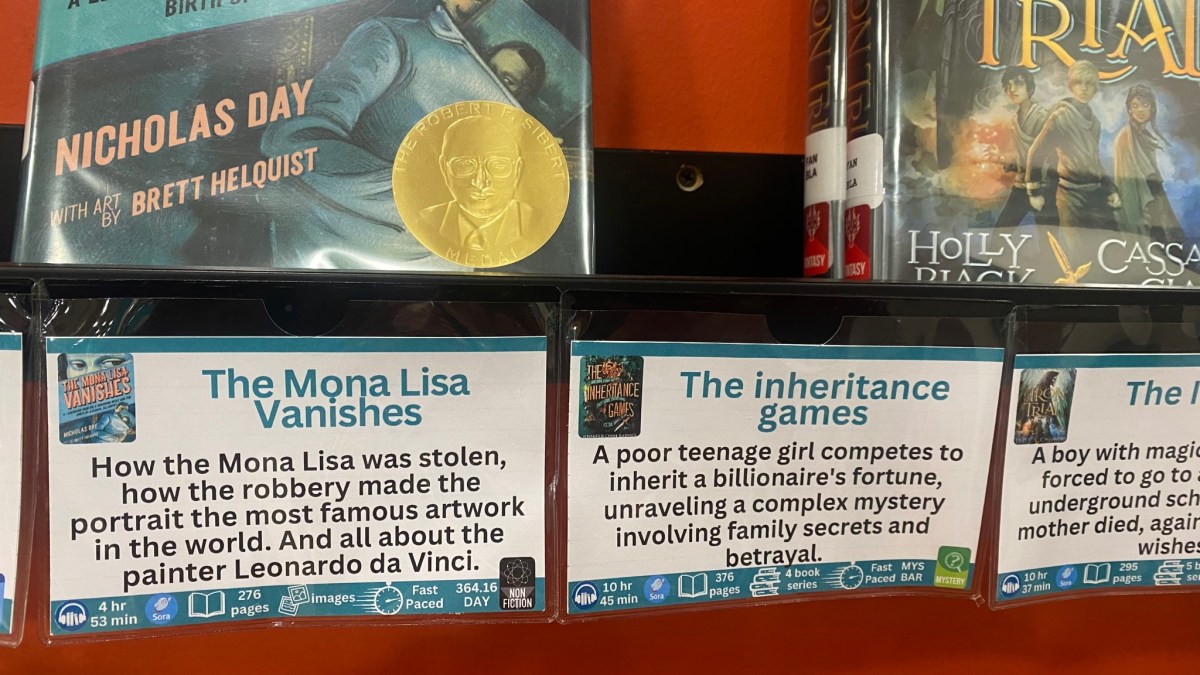
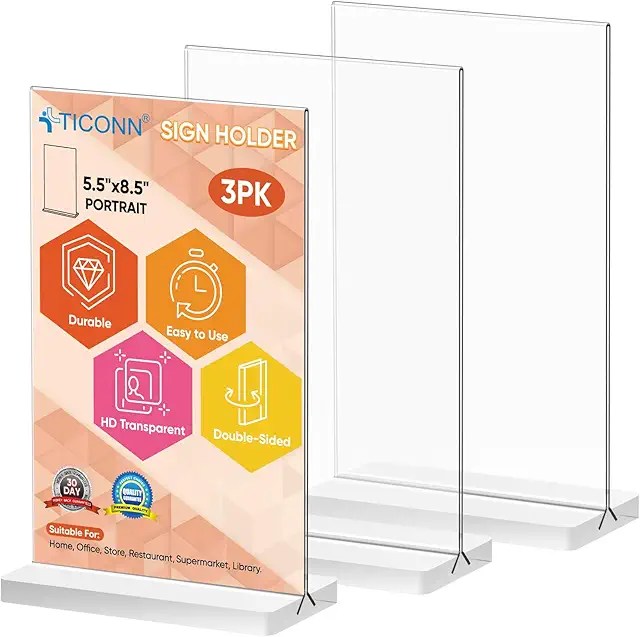
These and many other “Read alike” posters are printed in A4 and put into plastic “look book” presentation books that are available in the library and also in all our English Language Arts classrooms. Since our middle school students come to the library with their classes around once every 4 to 6 weeks, it makes it easy for students to browse for books in the classroom thematically and then go to the library with purpose in between the more formal library visits. When they come with their classes, I’ll generally confer with the teachers as to what they’d like displayed / what’s “hot” or wanted and then I’ll haul a bunch of tables to a part of the library where they can browse. Then these posters will be put into A3 acrylic sign holders on each table.
By Nadine Bailey – middle school teacher librarian, currently living and working in Dubai, formerly in Beijing China, Singapore and a bunch of other cities around the world. Passionate about our students seeing themselves and their worlds in literature and developing curiosity and a passion for reading and learning.
The views, opinions, and thoughts expressed in this blog post are solely my own and do not reflect the positions, policies, or opinions of any current or former employer. Any references or examples provided are intended for informational purposes only and should not be construed as endorsements or official statements from any organization I have been associated with.
In some ways libraries have never just been about the books or the building. Even since the first libraries they’ve been about a certain idealism, a world view, a concept of teaching, learning, enquiry, culturalisation, what ever you may call it.
So yesterday it shouldn’t have taken me by surprise with Ms. S asked me in a little bit of a panic what should be done with the books on the human body. Of course once a library starts to become an organised entity, it is easier to find things. And when one is a G5 boy (or girl) it seems that there are pressing questions that need to be answered. And perhaps these questions are not being answered at home or at school, so in steps the library and books (thank goodness I’d say). Luckily Ms. S was of the same opinion as me, but the question was what to do about the fact that some rather indignant parents had been ringing the school to find out what and why and how their kids were reading all this “stuff”. (Ironically of course those very children who had the most pressing need to be reading these books).
Now Ms. S is an experienced teacher who has dealt with things that I hope never to have to deal with, she’s open-minded, and recognises an education moment for an education moment. But she’s had this library thing only a short while. Even shorter than me. So it’s hard to distinguish where her responsibility begins and ends. Our discussion was a little about flipping the question. Does the school have a counsellor? Does it have a structured “personal and social education” curriculum? When does this start, what is dealt with when? And how does that tie into the resources, book and otherwise that the school has available to its students and teachers.
Of course there are much bigger questions – like that of censorship. Like school policies on what is accessible to which age groups and in what context. None of this can be decided in isolation. I suggested to her she needed to involve the counsellor and the head of primary and the school have a “party line” so that when parents or teachers or children ask about the existence or not of materials they can refer to a policy or group decision and speak with one voice.






 Informative Flights - Musings of a Teacher Librarian