Lest I be accused of being too negative on the information literacy side of things I wanted to post something positive. A while back I was listening to an interesting enough book, (Gup, 2014) but the most fascinating part, and what sent me back to the eBook version was the part where the author explained how he’d conducted his research.
Now we often use mentor texts in education, and why not when we’re trying to teach research? In the extract below, Gup, explains how he, a former Washington Post investigative journalist went about uncovering the story of his grandfather.
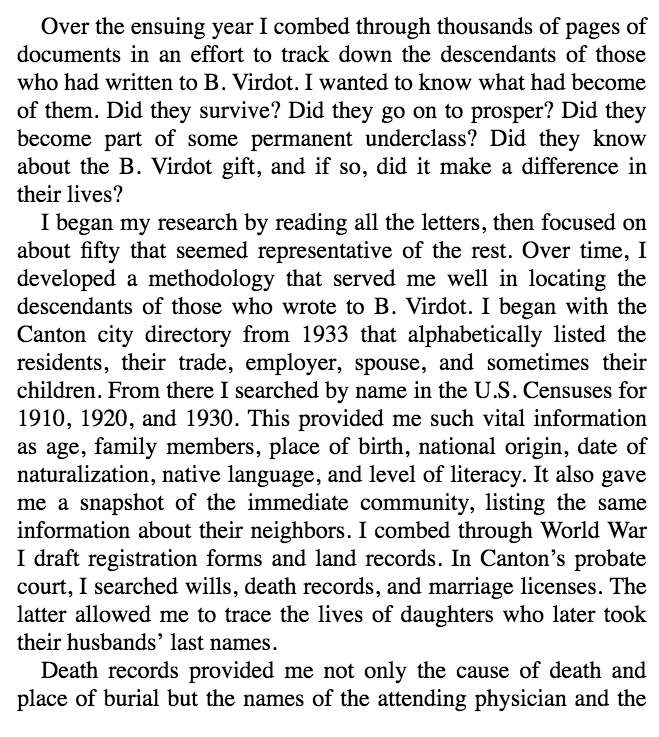

This is the type of detail that is hidden to people who read a newspaper report. The amount of work is just staggering.
Perhaps that is why students struggle to understand what “real life” research looks like. After all what kind of research are they exposed to? Wikipedia is actually not bad, as it cites its sources at the bottom (to those who scorn it). Britannica for students hides behind editorship (as a substitute for identifiable authorship) and a lack of sources (this article on the depression has two authors but no sources and yet we’d rather students go to Brittanica than Wikipedia?). Books, when they’re used at all, do have sources, sometimes, depending on the target age and how scrupulous the publisher is. Newspaper or magazine articles – we have no idea of either the research process nor the sources of information except inasmuch it is divulged, for example, in movies such as Spotlight.
So our young researchers go off onto the internet, or maybe to Britannica and Brainpop and some books and then as they mature we coax students into using databases and journal articles. Where again, they see the end product rather than the process.
How often do we get researchers in to uncover their craft? Versus for example authors of fiction or poetry? So is it by accident or design that they’re not breaking through those threshold concepts?
References:

 Informative Flights - Musings of a Teacher Librarian
One thought on “What research looks like”