Last year I wrote about my initiative with our core collection and engaging our middle school teachers in “adopting” a book and helping to promote it. During the analytics for our annual report and to justify repeating the exercise in one of our last staff meetings this year, I put together some stats on the results.
Core Collection Summary
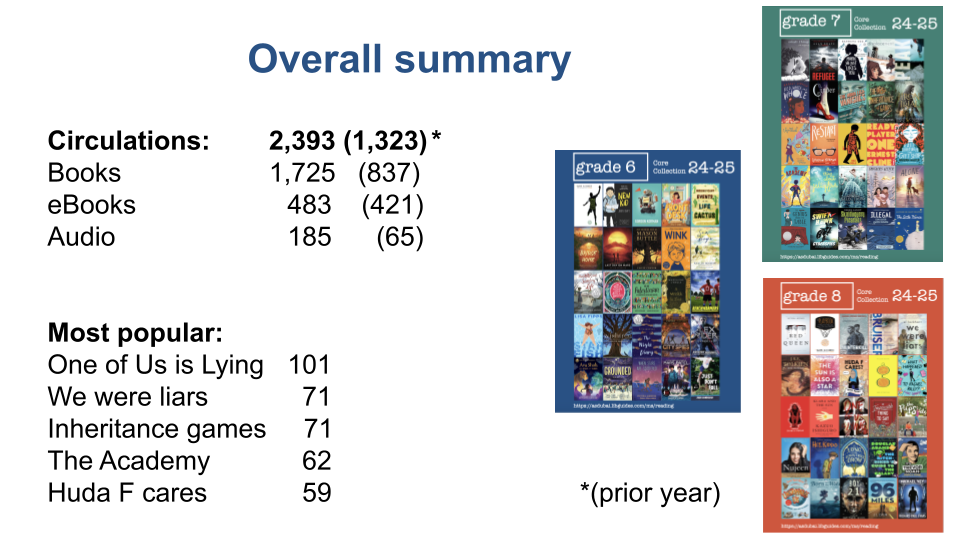


Given the dire state of the nation on reading overall for middle school with each grade reading less than in previous years, this is one small light at the end of the tunnel for me – showing that perhaps we need to narrow rather than continue to broaden our collection and focus on many copies of the most popular books?
Another amazing side effect has been the number of our faculty who are now fans of middle school / young adult literature and who have kept on coming back to finish series (I think it’s really important to have book 1 of as many enticing series as possible in the list). It really matters when not only the ELA teacher but also the PHE/Sports coaches and Drama and Science teachers are reading and recommending books.
Another interesting aspect has been that it seems we’ve arrived at a sort of tipping point of students accessing eBooks and AudioBooks in greater numbers than I’ve previously seen. Since we tend to only buy 3 or 4 of each of the core books (plus whatever ELA has a budget for to put in their class libraries) the most popular books tend to be out all the time, resulting in students then using the digital equivalent. I like AudioBooks as it means I can listen (often at 1.5-2x speed) and do my knitting, and I often have to persuade students that listening to audiobooks is also reading. In a culture where very few students are read to, I think it’s also important for them to hear stories – not the least to avoid embarrassing incidents with the pronunciation of words and names!
Of course I know that borrowing doesn’t always translate to reading (see the amazing way the great Nathan Pyle illustrates this below), but on the other hand I’m also comforted by the fact that our ELA classroom libraries have also stocked up on many of the core books and their circulations are not counted in my stats.

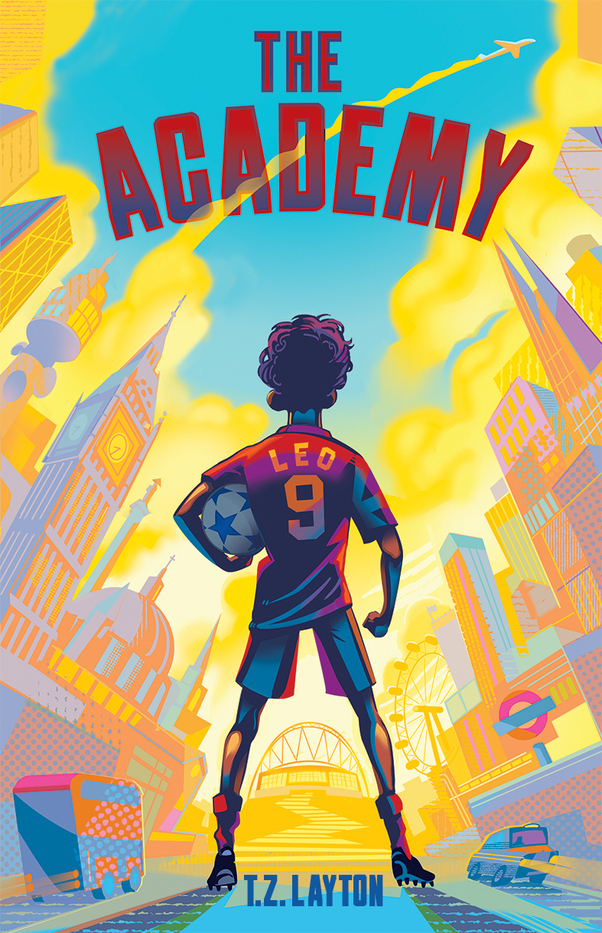
One of the runaway success books I’d like to highlight is “The Academy” by TZ Layton. In common I think with most 10-14 year olds, most of the young soccer players at our school are convinced it’s only a matter of time before they’re scouted into one of the youth leagues and this series feeds their dreams.
Actions & Activities
The actions and activities around the core books this year include:
- Culling of the least popular (and some of the most popular*) books from the previous year
- Book overviews on the middle school TV displays
- Core list on Advisory Slides
- “Core Wall” in library
- ELA & MS teacher promotion
- House points for book reviews
- On libguide / recommended to parents during parent conferences
- Weekly Kahoot quiz January – May (inter-house competition)
- Battle of the Core live quiz assembly – 8 May (moved from January to increase exposure)
* while some of the books were taken out because they just didn’t fly for one reason or another (usually because I’d been misled by a good review without having been able to read the book first, or I misjudged the audience), some have been given wings and are flying on their own without the need to be on a list, or have been adopted by the ELA department as one of their book club books. Of course there is always great irony in choices. After not being able to successfully sell “The thing about jellyfish” by Ali Benjamin all year long, I took it off the list for next year and of COURSE then some young booktokker started recommending it and now everyone wants to read it!
Another side effect has been more faculty coming to me for recommendations for their own reading of for books for their younger kids or nieces / nephews – there is nothing more flattering, no greater gift you can give a librarian than ask for recommendations!
there is nothing more flattering, no greater gift you can give a librarian than ask for recommendations!
In conclusion I’d say if you’re in any doubt about the value of having a core collection, go ahead and try it out. It doesn’t have to be 25 books but it does help to have at least one representative of each genre. Including the first book in a series is always a good idea and I also try to have books that are fairly recent, include books from visiting authors if we have any and to try and tap into the zeitgeist.
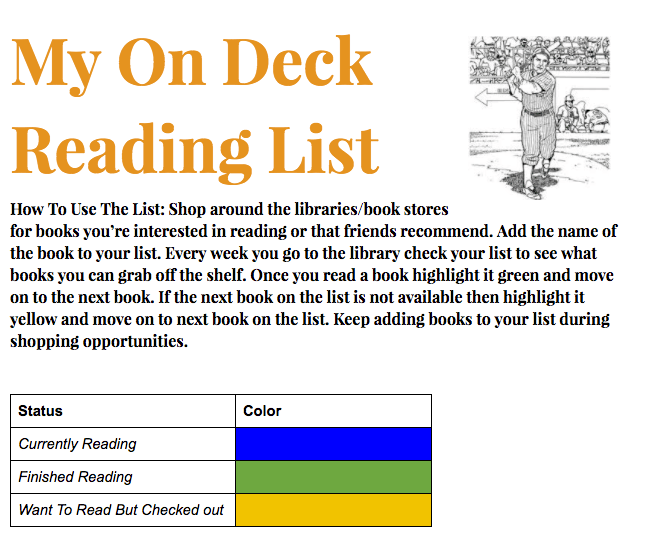
 at’s new. Right now I’m trying to drill into every student at school the necessity of having a “what’s next” list – either a mental list or a physical list or a pile of books that are the “books in waiting”. And the great thing about a club like this is that we can try things out on them and see how effective they are.
 3 categories of each boy, and as we read out the descriptions there were cries of “yes, that’s exactly how I am” and “I agree” and “yes!” With their permission we then displayed the results. Most were evenly spread between A, (
 Informative Flights - Musings of a Teacher Librarian